How to Have My Pap Smear During My Period
You can have your Pap smear during your period by scheduling it on your lightest flow days and managing blood with a tampon or menstrual cup if needed. It’s totally doable, but a little planning helps.
Let your healthcare provider know about your cycle and current bleeding to help them adjust the exam for comfort and accuracy.
If your flow is heavy, you might consider rescheduling to get the best results. Keep communication open with your provider—they’re there to help you feel comfortable.
You’ll find helpful tips for preparation, comfort, and timing ahead, so you can get your Pap smear done without stress.
Understanding the Impact of Menstruation on Pap Smear Accuracy
Although menstruation can raise concerns about the accuracy of a Pap smear, you can still get reliable results during your period. Menstrual blood might make it a bit harder for your healthcare provider to clearly see cervical cells, but it doesn’t automatically mean the test will be inaccurate.
Your provider knows how to handle this and can carefully collect the sample despite the presence of blood. Sometimes, blood can obscure abnormal cells, but modern techniques help reduce this issue.
If your period is very heavy, it might slightly affect the test’s quality, but in most cases, it won’t invalidate the results. Understanding this helps you feel confident that your Pap smear can still provide the important information needed to monitor your cervical health during menstruation.
Preparing for Your Pap Smear During Your Period
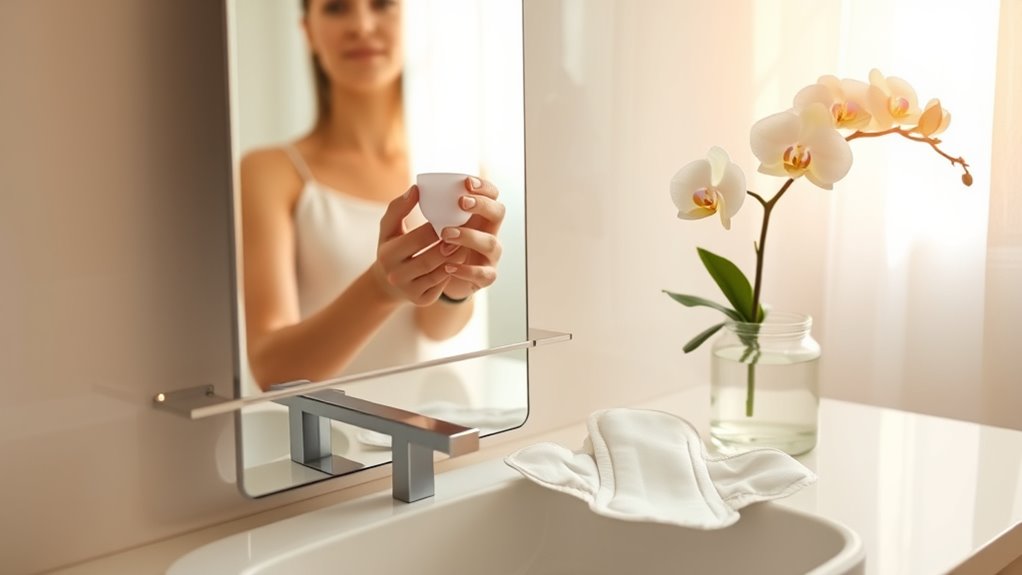
When scheduling your appointment, try to pick a time when your flow is lightest to make the process easier. You can manage your menstrual flow with a tampon or menstrual cup beforehand to help keep the area clear.
Don’t hesitate to communicate openly with your provider about your period so they can adjust the exam if needed. It’s totally okay to talk about it — your provider is there to help you feel comfortable.
Scheduling Your Appointment
Since menstrual bleeding can affect the accuracy of a Pap smear, you should talk to your healthcare provider about scheduling your appointment. Let them know if you’re on your period and ask if it’s still okay to proceed or if rescheduling is preferable.
Some providers can perform the test during light bleeding, but heavy flow might interfere with results. If you must have the test during your period, try to schedule when your flow is lighter, like the last day or two.
Also, consider timing your visit in the morning when you’re freshest. Being upfront about your cycle helps your provider choose the best approach and ensures reliable results.
Don’t hesitate to ask questions or request a specific appointment time that suits your needs. It’s all about making sure you feel comfortable and get the most accurate results possible.
Managing Menstrual Flow
Being mindful of your menstrual flow can help guarantee your Pap smear goes smoothly and yields accurate results.
You may want to track your flow’s heaviness and timing so you can plan accordingly. Using a tampon before the appointment can help manage the flow, keeping the area clean and accessible for the test.
Here’s a quick guide to managing flow during your Pap smear:
| Flow Level | Recommended Action | Notes |
|---|---|---|
| Light | Proceed without tampon | Minimal interference expected |
| Moderate | Use a tampon before visit | Keeps sample clear |
| Heavy | Consider rescheduling | Accuracy may be compromised |
Communicating With Your Provider
Although having your period might feel awkward to mention, telling your healthcare provider beforehand guarantees they can prepare and make your Pap smear as comfortable and accurate as possible. Don’t hesitate to be upfront about your cycle when scheduling your appointment or during check-in.
Your provider can then take extra care, like using a smaller speculum or adjusting their technique to minimize discomfort. They might also recommend timing your test on a lighter flow day.
If you’re worried about potential mess or embarrassment, communicate that too—your provider is trained to handle these situations professionally and discreetly. Open communication helps assure your Pap smear results are reliable and your experience is as smooth as possible, even during your period.
What to Expect During the Pap Smear Procedure on Your Period

When you have a Pap smear during your period, the healthcare provider will take extra care to guarantee the process is comfortable and effective. First, they’ll explain the steps clearly and address any concerns you have.
You’ll lie down with your feet in stirrups, just like a regular exam. The provider might use a smaller speculum or warm it to reduce discomfort. They’ll gently insert it to view your cervix despite the menstrual flow.
Next, they’ll use a soft brush or spatula to collect cervical cells; some blood might mix with the sample, which is normal. The entire procedure usually takes only a few minutes.
Afterward, you can expect a brief moment to get dressed and discuss any follow-up needed with your provider.
Tips for Managing Discomfort and Hygiene During the Exam
You can ease your Pap smear experience by preparing ahead and choosing gentle hygiene products.
Don’t hesitate to tell your healthcare provider if you feel any discomfort during the exam.
Clear communication helps them adjust the procedure to keep you as comfortable as possible.
Preparing for the Appointment
Since having a pap smear during your period can cause extra sensitivity, taking steps to stay comfortable and maintain hygiene is key.
Preparing well before your appointment helps reduce stress and discomfort. Make sure you plan ahead to feel more at ease.
Here’s how you can prepare:
- Wear breathable, comfortable underwear and loose clothing to the appointment.
- Use a fresh sanitary product right before you leave to minimize any mess.
- Bring an extra pad or tampon to change after the exam if needed.
- Practice relaxation techniques, like deep breathing, to help ease tension during the procedure.
Using Appropriate Hygiene Products
Maintaining hygiene during a pap smear while on your period can help reduce discomfort and prevent irritation. Before your appointment, use a gentle, fragrance-free cleanser to freshen up without disrupting your natural pH balance.
Avoid douching or using harsh products, as they can cause irritation or affect test results. On the day, wear a clean, breathable cotton panty liner to absorb any blood and keep you feeling fresh.
If you prefer, you can remove the liner just before the exam to ensure the area is clean. After the smear, gently cleanse the area with warm water and pat dry.
Choosing the right hygiene products helps you stay comfortable and confident during your pap smear, even on your period.
Communicating Discomfort to Provider
Although pap smears can be uncomfortable, letting your provider know about any pain or unease during the exam guarantees they can adjust their approach to make you more comfortable. Don’t hesitate to speak up if you feel sharp pain or pressure.
Clear communication helps your provider ease tension and modify techniques, ensuring a smoother experience. You can manage discomfort effectively by:
- Taking slow, deep breaths to relax your muscles
- Asking for breaks if you feel overwhelmed
- Requesting a smaller speculum if necessary
- Using a warm compress before the exam to reduce tightness
When to Reschedule Your Pap Smear if Necessary
If your period is heavy or causing discomfort, you might want to reschedule your Pap smear to make certain the most accurate results and a more comfortable experience. Heavy bleeding can interfere with the sample collection, potentially leading to inconclusive or inaccurate results.
If you experience severe cramps, intense spotting, or feel unwell, postponing your appointment is a good idea. Also, if you have any active infections or unusual symptoms, rescheduling ensures your provider can properly assess your health.
Try to book your Pap smear between days 7 and 14 of your cycle when bleeding is lighter or absent. Ultimately, listen to your body and prioritize your comfort and health by choosing the best time for your test.
Communicating With Your Healthcare Provider About Your Period
Since your period can affect the timing and results of your Pap smear, it’s important to be open with your healthcare provider about your menstrual cycle. Don’t hesitate to mention if you’re currently menstruating or expect your period soon.
Sharing this info helps them decide whether to proceed or reschedule. It also allows them to prepare for any adjustments during the exam.
Here’s how to communicate effectively:
- Tell them the first day of your last period and average cycle length.
- Mention if your bleeding is heavy or light during the appointment.
- Ask if having the Pap smear during your period impacts results.
- Discuss any discomfort or concerns related to your period and the test.
Clear communication ensures your healthcare provider can give you the best care.
Conclusion
Having your pap smear during your period might feel like walking a tightrope, but with the right preparation and communication, it’s completely manageable.
Remember, your healthcare provider is there to support you, so don’t hesitate to share how you’re feeling. By staying informed and taking simple steps to stay comfortable, you can breeze through the process with confidence.
After all, your health deserves attention no matter the time of the month. Scheduling your pap smear during your period is okay, and with open communication, you can make the experience as smooth as possible.
So, don’t let your period stop you from getting this important health check. Your comfort and health come first—talk to your provider, prepare ahead, and stay confident throughout your pap smear appointment.