

What Makes Rolling Papers Different But Just Thinner Paper?
Rolling papers aren’t just thinner paper—they’re specially made from natural fibers like hemp or rice straw that burn evenly and preserve flavor. This means your smoke tastes better and smoother compared to regular paper.
The precise thinness, usually around 12-20 microns, makes them flexible and easy to roll without tearing.
Plus, rolling papers go through special treatments to ensure safety and enhance taste, like using natural adhesives and gentle bleaching. These little details make a big difference in your smoking experience.
So, if you’re curious about what really sets rolling papers apart, there’s definitely more to explore beyond just their thinness.
Composition and Materials Used in Rolling Papers
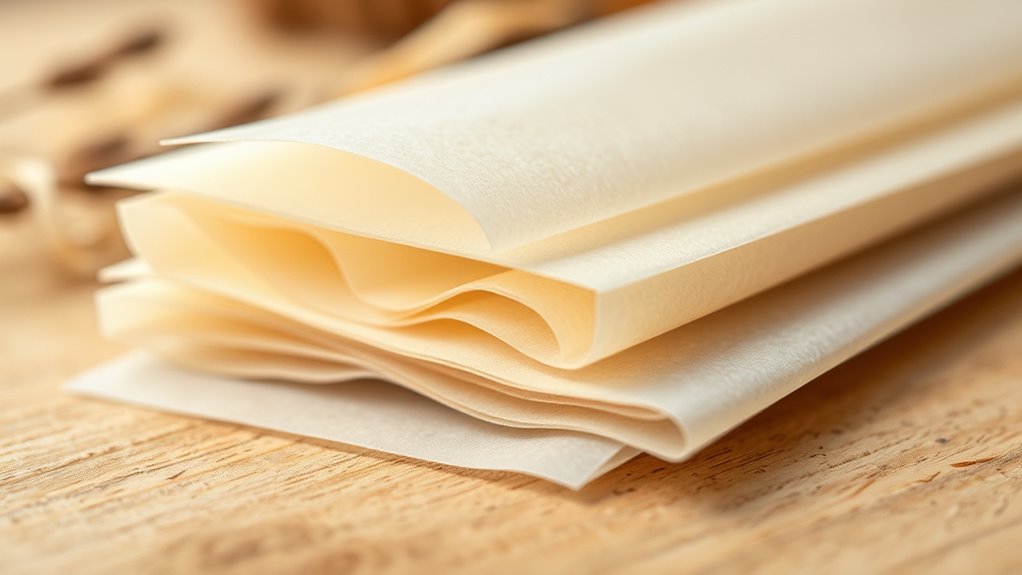
Although rolling papers may seem simple, their composition plays a crucial role in your smoking experience. You’ll find rolling papers made from various materials like wood pulp, hemp, rice straw, and flax.
Each material burns differently, affecting taste and ash quality. Hemp papers, for example, offer a natural flavor and slow, even burn. Rice papers are ultra-thin and clean-burning, enhancing your smoke without overpowering it.
Wood pulp papers are thicker and more common but may impart a slight taste. Manufacturers also avoid additives and chemicals to guarantee a pure experience.
When you pick your rolling paper, understanding its material helps you choose one that complements your preferences, whether you want smooth flavor, slow burn, or minimal residue.
Thickness and Weight Comparison With Regular Paper
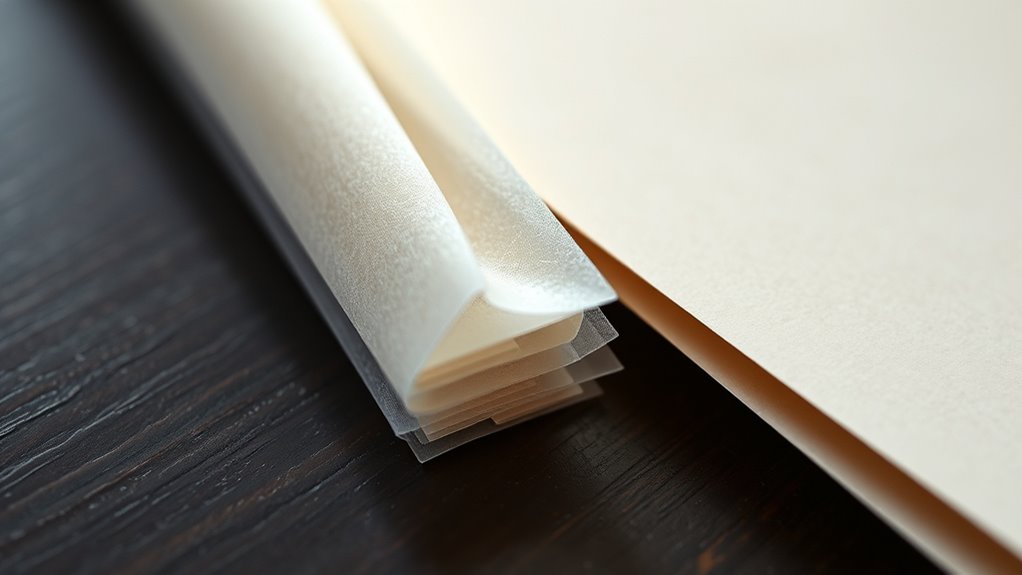
You’ll notice that thinner rolling papers measure noticeably less in thickness compared to regular paper, which affects their weight. This lighter weight changes how quickly the paper burns, giving you a smoother experience.
Let’s explore exactly how these differences impact your roll. It’s pretty interesting once you get into the details!
Paper Thickness Measurement
When you pick up a rolling paper, you might not realize just how much thinner it is compared to regular paper. Paper thickness is usually measured in microns, with rolling papers often ranging between 12 to 20 microns.
Regular printer paper, by comparison, typically measures around 100 microns or more. To get precise measurements, manufacturers use specialized micrometers or calipers that can detect tiny differences in thickness.
This measurement is vital because even a slight variation affects how the paper burns and handles. While you might guess rolling papers are just thinner, these exact thickness values show just how delicate and lightweight they truly are.
Understanding this helps you appreciate the skill involved in producing papers that are both functional and barely there.
Weight Differences Explained
Since rolling papers are markedly thinner than regular paper, their weight differs just as much. When you compare them, you’ll find rolling papers typically weigh between 12 to 20 grams per square meter (gsm), whereas standard office paper usually clocks in around 80 gsm.
This significant difference means rolling papers are much lighter and more delicate. You’ll notice that the reduced thickness directly impacts weight, making rolling papers feel almost translucent and fragile to the touch.
This lightness is essential—it lets you roll smoothly without adding bulk or interfering with the smoking experience. So, when you pick up rolling papers, you’re handling something designed specifically to be as light as possible while still holding together, unlike the thicker, heavier sheets you use for writing or printing.
Impact on Burning Rate
The thinness and light weight of rolling papers don’t just affect their feel—they also influence how quickly they burn. Because rolling papers are thinner and lighter than regular paper, they ignite faster and maintain a steady burn rate.
You’ll notice that thinner papers produce less ash and less aftertaste, which can enhance your smoking experience. However, because they burn more quickly, you might find yourself needing to relight more often if you’re not careful.
Regular paper, being thicker and heavier, burns slower but produces more smoke and harsher flavor. When you choose rolling papers, their delicate thickness ensures a smoother, more controlled burn, letting you enjoy your session without the interruptions that come with heavier, slower-burning materials.
Impact on Burning Quality and Evenness

Although thinner rolling papers may seem delicate, they often burn more evenly than thicker ones, giving you a smoother experience. When you use thinner paper, the flame spreads consistently without sudden flare-ups or uneven patches.
This uniform burn helps prevent wasted material and reduces the chance of runs or canoeing, which can ruin your session. You’ll notice that thinner papers maintain a steady ash line, making it easier to manage your smoke and keep it lit longer.
Plus, because thinner papers contain less material, they don’t interfere much with the flavor of what you’re smoking. So, if you want a clean, controlled burn with minimal disruptions, opting for thinner rolling papers can really enhance your overall experience.
Additives and Treatments for Safety and Taste
You’ll notice that some rolling papers include flavor-enhancing additives designed to improve your smoking taste. Others undergo safety-focused treatments to reduce harmful residues and guarantee a cleaner burn.
These factors can substantially shape your overall smoking experience. So, it’s worth paying attention to what’s in your papers and how they’re treated. It really can make a difference.
Flavor-Enhancing Additives
How do rolling papers manage to enhance your smoking experience beyond just holding the tobacco? They use flavor-enhancing additives that subtly influence taste and aroma. These additives are carefully chosen to complement, not overpower, what you’re smoking.
Here are four common types:
- Natural plant extracts – like vanilla or mint, adding smooth, pleasant notes.
- Essential oils – providing a mild, aromatic flavor boost.
- Fruit flavors – such as citrus or berry, offering a revitalizing twist.
- Sweeteners – small amounts of sugar or honey derivatives to soften harshness.
These additives make your smoking session more enjoyable by tailoring the flavor profile. Just remember, the best papers balance taste without compromising the tobacco’s natural character.
Safety-Focused Treatments
Because safety matters just as much as flavor, many rolling papers undergo specific treatments to reduce harmful effects and improve your overall experience. You’ll find that manufacturers often apply natural, non-toxic adhesives like gum arabic instead of synthetic glues, ensuring you inhale fewer chemicals.
Some papers are also treated with oxygen-based bleaching agents rather than chlorine, which cuts down on toxic byproducts. Additionally, certain rolling papers include additives that help the paper burn evenly without introducing harmful substances.
These safety-focused treatments work quietly behind the scenes, letting you enjoy your smoke without worrying about unnecessary toxins. When you choose rolling papers with these careful treatments, you’re prioritizing a cleaner, safer session that respects both your health and taste preferences.
Impact on Smoking Experience
What really sets thinner rolling papers apart is how their additives and treatments shape your smoking experience. These subtle enhancements influence flavor, burn rate, and overall satisfaction. They make each puff smoother and more enjoyable.
When you choose thinner papers, you benefit from:
- Improved Taste – Natural additives reduce harshness, letting the true flavor of your tobacco or herbs shine.
- Consistent Burn – Treatments help papers burn evenly, preventing annoying runs or uneven ash.
- Reduced Chemicals – Safer additives mean fewer harmful byproducts in the smoke you inhale.
- Enhanced Aroma – Some additives subtly boost the scent, enriching your sensory experience.
Flexibility and Ease of Rolling
Although rolling thinner papers might seem challenging at first, you’ll quickly notice they offer greater flexibility that makes the process smoother. Thinner papers bend easily, allowing you to shape your roll precisely without tearing.
Their lightweight nature means you can handle them with less effort, perfect for beginners and experts alike.
Here’s a quick comparison to help you understand the flexibility and ease of rolling:
| Paper Type | Flexibility Level | Rolling Ease |
|---|---|---|
| Standard | Moderate | Requires more skill |
| Thin | High | Easier to maneuver |
| Ultra-Thin | Very High | Most flexible, delicate |
Choosing the right paper impacts how comfortable and precise your roll feels every time. It really makes a difference once you get the hang of it!
Environmental Considerations and Sustainability
How does choosing thinner rolling papers affect the environment? When you opt for thinner papers, you reduce the amount of raw material used, which can lower your ecological footprint. Thinner papers often require less energy and fewer chemicals in production, benefiting sustainability efforts.
Choosing thinner rolling papers reduces raw material use and energy consumption, helping to lower your ecological footprint.
However, not all thin papers are eco-friendly, so you should evaluate the source and manufacturing process.
Here are key environmental factors to think about:
- Material source: Look for papers made from sustainable fibers like hemp or organic flax.
- Manufacturing process: Choose brands using eco-friendly bleaching and minimal chemical treatments.
- Packaging: Minimal and recyclable packaging reduces waste.
- Biodegradability: Ensure the paper decomposes quickly without leaving harmful residues.
Conclusion
You might think rolling papers are just thinner sheets, but they’re more like the delicate parchment in an ancient scroll—crafted carefully to burn evenly, taste clean, and roll smoothly.
Their unique materials and thoughtful treatments set them apart, making each smoke a ritual, not just a habit.
So next time you light up, remember: it’s not just paper; it’s the subtle art that shapes your experience, honoring both tradition and your peace of mind. The quality of rolling papers truly transforms your smoking session, blending craftsmanship with functionality to ensure a smooth, enjoyable burn every time.