What Does a Pap Test Show About Pregnancy?
A Pap test can’t confirm if you’re pregnant because it only checks for abnormal cervical cells, not pregnancy hormones. It’s designed to detect changes in the cervix that might indicate infections or precancerous conditions.
So, if you’re wondering, “Does a Pap test show pregnancy?” the straightforward answer is no.
However, your doctor might notice some signs during the exam, like a softer, bluish cervix or increased discharge. These clues can hint that you might be pregnant, even though the test itself isn’t meant to detect pregnancy.
The main goal of a Pap test is to keep tabs on your cervical health, whether you’re expecting or not.
If you want to understand how pregnancy affects your cervical health and when you should get tested, keep reading. It’s important to know how pregnancy can change your body and how regular Pap tests fit into your overall health care plan during this special time.
Purpose of a Pap Test
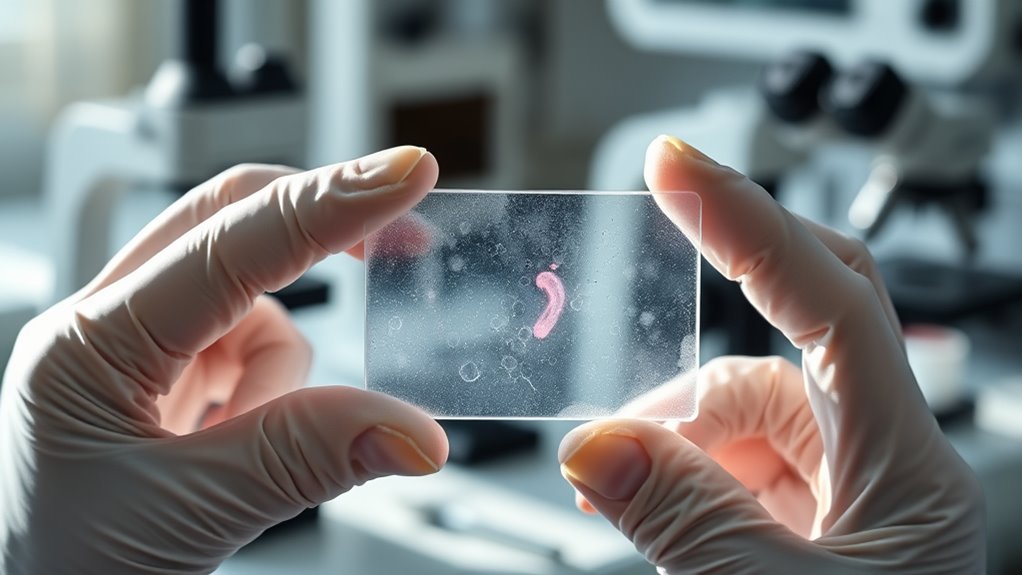
Although it might seem routine, a Pap test plays an essential role in your health by detecting abnormal cervical cells early. It primarily screens for cervical cancer, catching changes before they turn malignant.
By identifying these abnormalities, the test gives you and your healthcare provider a chance to act promptly, preventing cancer development. Additionally, it can reveal infections or inflammation that may affect your reproductive health.
Though a Pap test doesn’t diagnose pregnancy, it guarantees your cervix is healthy before or during pregnancy, which is imperative for a safe pregnancy journey. Regular Pap tests help maintain cervical health and reduce risks during pregnancy, making it a crucial part of your preventive healthcare routine.
How a Pap Test Is Performed
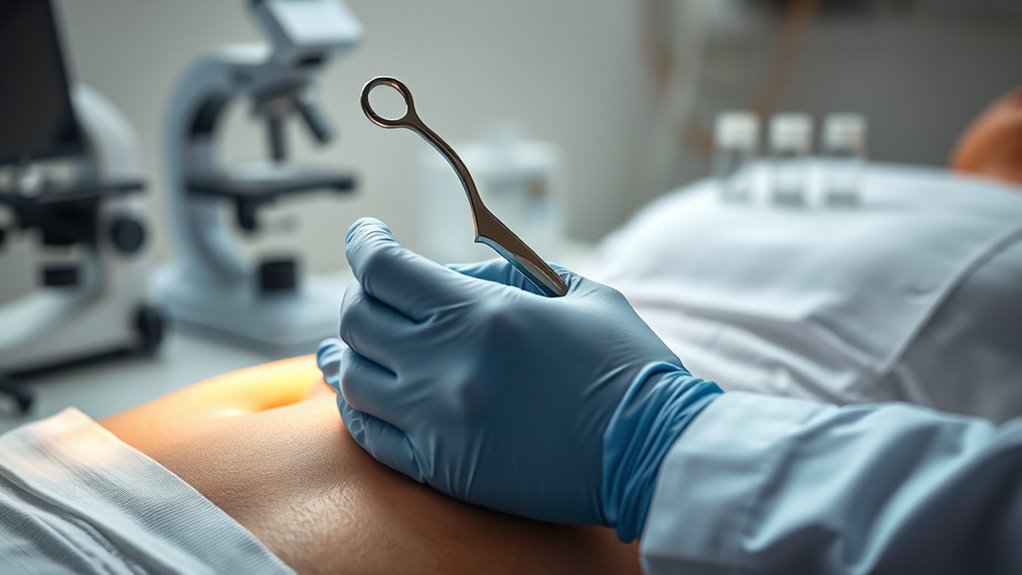
When you go for a Pap test, your healthcare provider will gently collect cells from your cervix using a small brush or spatula. You’ll lie on an exam table with your feet in stirrups to allow easy access to your cervix.
The provider inserts a speculum to open the vaginal walls, then carefully scrapes cells from the cervix’s surface. This process might feel mildly uncomfortable, but it usually isn’t painful.
After collecting the sample, the provider places the cells on a glass slide or in a liquid solution, which is then sent to a lab for analysis. The entire procedure only takes a few minutes and is quick to perform during your routine pelvic exam.
Can a Pap Test Detect Pregnancy?
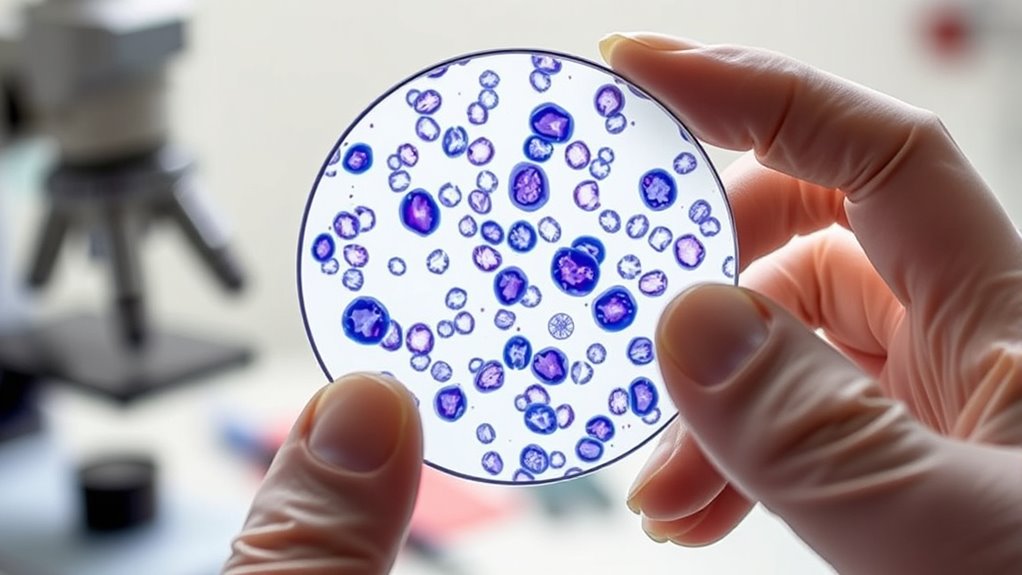
Can a Pap test reveal if you’re pregnant? The short answer is no. A Pap test is specifically designed to screen for abnormal cells on your cervix and detect potential cervical cancer, not to diagnose pregnancy.
While your healthcare provider might notice some changes in your cervix that could suggest pregnancy, the Pap test itself doesn’t measure pregnancy hormones like hCG, which are essential for confirming pregnancy.
Healthcare providers may see cervical changes hinting at pregnancy, but Pap tests don’t detect pregnancy hormones.
If you think you might be pregnant, a urine or blood test is a much more reliable and accurate method. So, while a Pap test is vital for cervical health, it won’t tell you whether you’re expecting.
Always turn to pregnancy-specific tests or consult your healthcare provider for confirmation.
Signs of Pregnancy Visible During a Pap Test
Even though a Pap test doesn’t diagnose pregnancy, your healthcare provider might spot certain signs that suggest you are pregnant during the exam. These signs come from changes in the cervix and vaginal environment influenced by pregnancy hormones.
You might notice increased cervical softness, a bluish tint (Chadwick’s sign), and more vaginal discharge. Also, slight bleeding or spotting can occur due to cervical sensitivity.
Here’s a quick overview:
| Sign | Description | Why It Occurs |
|---|---|---|
| Cervical Softening | Cervix feels softer than usual | Increased blood flow and hormones |
| Bluish Cervix | Bluish-purple coloration | Increased vascularization |
| Increased Discharge | Clear, milky vaginal fluid | Hormonal changes |
| Spotting | Light bleeding | Cervical sensitivity |
These indicators help your provider recognize potential pregnancy during a Pap test. So, even though the test isn’t designed to detect pregnancy, these clues can give a heads-up.
Importance of Pap Tests During Pregnancy
Although pregnancy brings many changes to your body, maintaining regular Pap tests remains essential for monitoring cervical health and detecting abnormalities early.
Even during pregnancy, your cervix can develop issues like infections or precancerous cells that need prompt attention to protect both you and your baby.
Pregnancy can still bring cervical infections or precancerous changes needing timely care for you and your baby.
Pap tests help your healthcare provider spot these problems before they become serious.
Skipping these screenings might delay diagnosis and treatment, increasing risks during pregnancy and delivery.
By staying on top of your Pap tests, you ensure any cervical changes are addressed quickly.
This proactive approach supports a healthier pregnancy and reduces potential complications.
When to Schedule a Pap Test in Relation to Pregnancy
Keeping up with your Pap tests during pregnancy is important, but knowing the right time to schedule them can make a difference. Generally, if you’re due for a Pap test and find out you’re pregnant, your healthcare provider might recommend waiting until after the first trimester.
This timing helps ensure the test results are accurate and minimizes any discomfort.
Here are some key points to take into account when scheduling your Pap test in relation to pregnancy:
- If you have a history of abnormal results, your doctor may perform a Pap test earlier.
- Routine Pap tests are often postponed until six weeks postpartum.
- You should avoid scheduling a Pap test during heavy bleeding or active infections.
- Always consult your healthcare provider to tailor the timing based on your health needs.
Conclusion
While a Pap test won’t confirm if you’re pregnant, it can sometimes reveal changes in your cervix that hint at pregnancy. It’s not a reliable pregnancy test, so don’t count on it to tell you for sure.
However, keeping up with your Pap tests during pregnancy is important for spotting infections or abnormalities early. These tests help ensure your reproductive health stays on track throughout pregnancy.
So, even if a Pap test doesn’t show pregnancy outright, it plays a crucial role in your overall reproductive health. Regular Pap tests during pregnancy can help detect potential issues early, which is essential for both your health and your baby’s well-being. In short, a Pap test isn’t a pregnancy test but remains vital for monitoring your cervix and preventing complications during pregnancy.