Do Paper Straws Have Gluten in Their Ingredients?
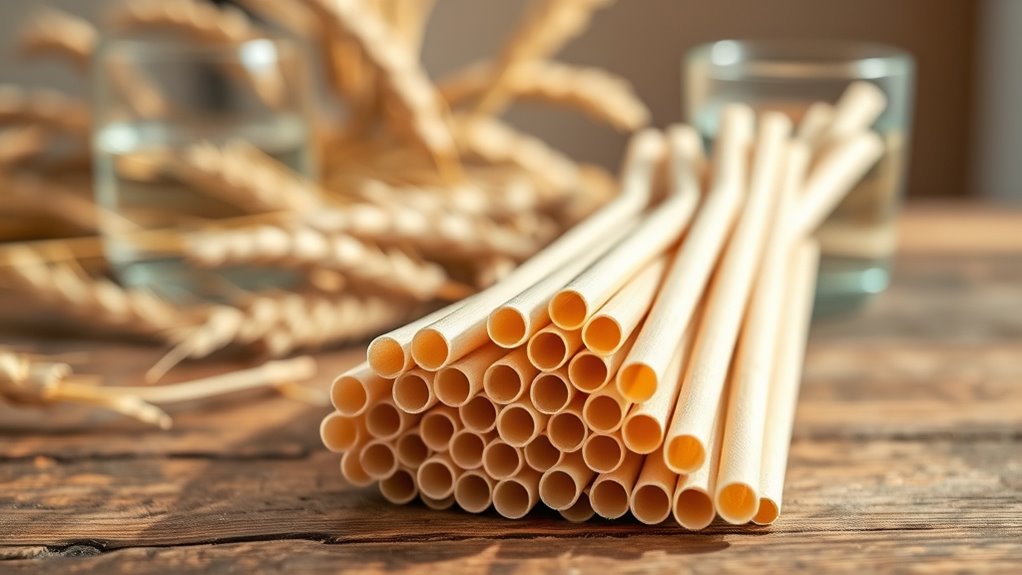
You don’t have to worry about gluten in paper straws since they’re mainly made from wood pulp and food-grade paper fibers. These materials naturally don’t contain wheat, barley, or rye, which are the common gluten sources.
The adhesives and coatings used on paper straws are typically gluten-free too, so the risk of gluten contamination is very low.
If you have gluten sensitivities or celiac disease, paper straws are generally safe to use.
It’s always good to keep exploring to find out more about the materials used and any potential risks involved.
But overall, paper straws are a great gluten-free option for your drinks!
What Materials Are Used to Make Paper Straws?
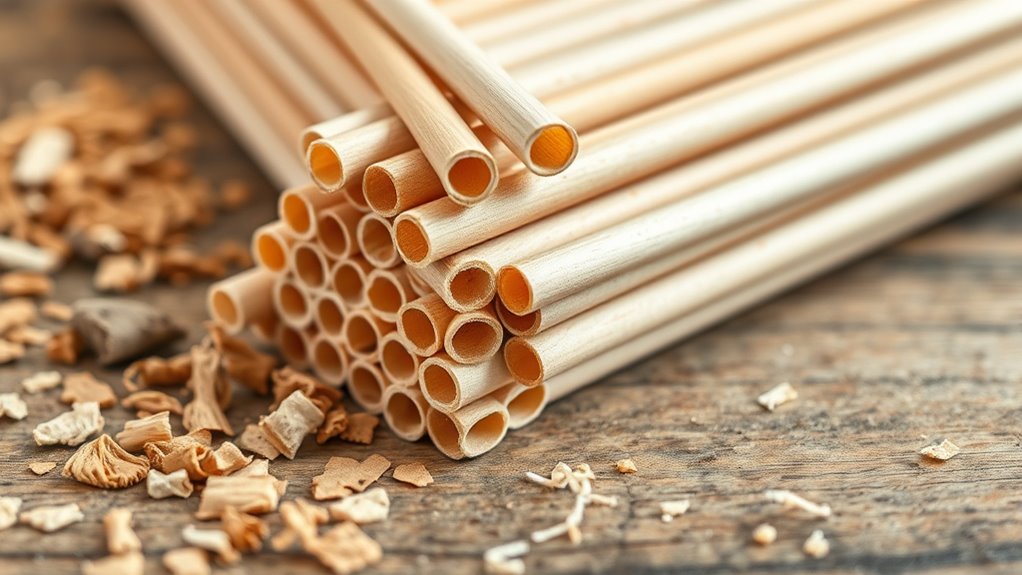
Although paper straws might seem simple, they’re made from a few key materials that guarantee durability and safety. You’ll find the main component is food-grade paper, often sourced from sustainable trees.
This paper undergoes treatment to make it water-resistant, usually with a non-toxic, food-safe coating. The adhesive used to hold the paper layers together is another important material, designed to be safe for contact with beverages.
You won’t typically see any additives like gluten or wheat-based ingredients in these straws. Instead, manufacturers focus on ensuring the paper can withstand moisture without breaking down quickly.
Understanding Gluten and Its Common Sources
You might wonder what gluten actually is and where it usually hides. Gluten is a protein found mainly in wheat, barley, and rye. These grains are common in many foods you eat every day.
While it’s rare in paper products, understanding its typical sources helps you figure out if paper straws could be a concern. So, knowing where gluten usually pops up can give you peace of mind.
What Is Gluten?
Since gluten often causes confusion, it helps to know exactly what it is: gluten is a group of proteins found primarily in wheat, barley, and rye.
When you consume gluten, it gives dough its elasticity and helps food maintain its shape. Understanding gluten is key if you have sensitivities or allergies.
| Aspect | Description |
|---|---|
| Nature | Protein composite |
| Found in | Wheat, barley, rye |
| Function | Provides elasticity and texture |
| Health Impact | Can cause reactions in sensitive people |
| Common Use | Baking and processed foods |
Knowing these basics helps you better identify gluten’s role in various products. It makes reading labels and choosing foods a bit easier, especially if you need to avoid it.
Typical Gluten Sources
Where do you usually find gluten lurking in your diet? Gluten hides in many common foods, often without you realizing it.
Here are three typical gluten sources you should watch out for:
- Wheat-based products: Bread, pasta, cereals, and baked goods frequently contain gluten since wheat is a primary gluten provider.
- Barley and rye: These grains show up in malt flavorings, beer, and certain breads, adding gluten to your meals.
- Processed foods: Sauces, soups, and dressings sometimes use gluten as a thickener or stabilizer, making them hidden culprits.
Gluten in Paper Products
Gluten often hides in unexpected places beyond food, including some paper products you might use daily. While paper itself is usually gluten-free, certain paper items may contain gluten if they’re made using wheat starch or adhesives derived from gluten-containing grains.
For example, some cardboard packaging or paper coatings could have gluten-based ingredients to improve strength or texture. When it comes to paper straws, manufacturers typically use pure cellulose fibers without gluten additives.
However, if you have severe gluten sensitivity or celiac disease, it’s wise to check product labels or contact manufacturers to confirm. By staying informed about potential gluten sources in everyday items, you can better avoid accidental exposure and maintain your gluten-free lifestyle with confidence.
Is Gluten Naturally Present in Paper Straw Components?
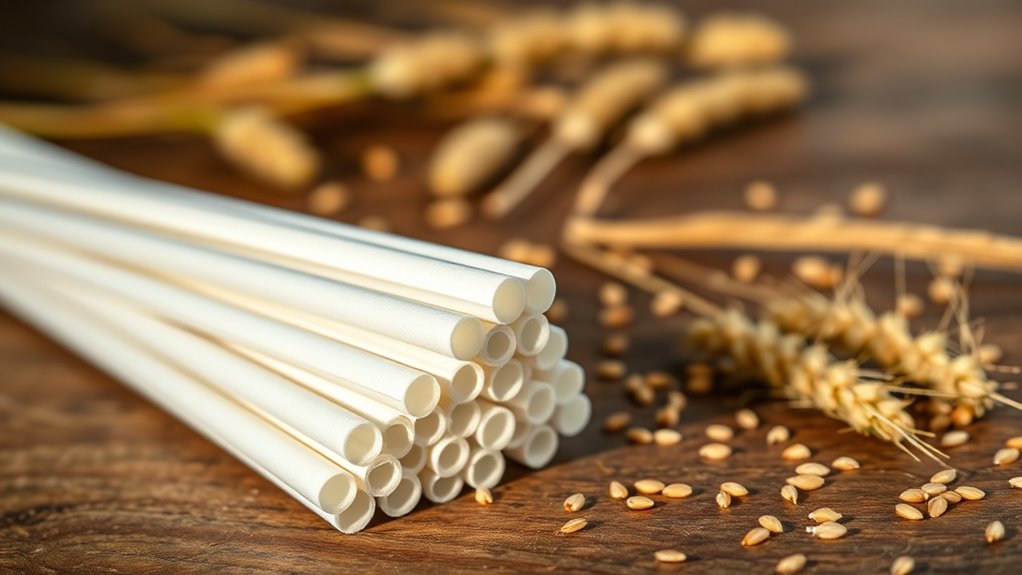
You might wonder if the materials used to make paper straws contain gluten. Most paper straws are made from wood pulp and plant fibers that don’t naturally have gluten.
Understanding these components helps clarify whether gluten could be present in your straw. So, if you’re concerned about gluten, paper straws are generally safe to use.
Common Paper Straw Materials
What materials make up most paper straws, and could they contain gluten? You’ll find that paper straws commonly use natural fibers that are gluten-free. Here are the three main materials:
- Paper Pulp: Most paper straws are made from wood pulp or recycled paper, neither of which contains gluten.
- Adhesives: The glue used to bind the layers is typically synthetic or made from natural gums that don’t involve wheat or gluten sources.
- Inks and Dyes: These are usually vegetable-based or non-gluten synthetic dyes, ensuring no gluten contamination.
Since gluten primarily comes from grains like wheat, barley, and rye, it’s unlikely you’ll find it in these paper straw components.
Gluten Presence in Fibers
While common materials in paper straws don’t contain gluten, it’s worth examining the fibers themselves to see if gluten could naturally be present. Paper straws are usually made from cellulose fibers derived from wood pulp or recycled paper, neither of which comes from gluten-containing grains like wheat, barley, or rye.
Gluten is a protein found specifically in those grains, so it doesn’t occur naturally in plant fibers used for paper products. When you use a paper straw, the chance of encountering gluten from the fiber material itself is virtually zero.
Unless the straw is contaminated during manufacturing or packaged with gluten-containing additives, you don’t have to worry about gluten in the actual fiber components of paper straws. So, you’re pretty safe when sipping with paper straws!
Potential Risks of Gluten Contamination in Paper Straw Production
Although paper straws are generally considered gluten-free, there’s a chance they might become contaminated during production. If you’re sensitive to gluten, it’s important to know where these risks come from.
Here are three potential contamination points:
- Shared manufacturing equipment – Factories producing gluten-containing products alongside paper straws can cause cross-contact.
- Use of additives – Sometimes starches or adhesives derived from wheat may be added, introducing gluten.
- Packaging and storage – If gluten-containing materials are stored or transported with paper straws, contamination can occur.
How to Identify Gluten-Free Paper Straws
How can you be sure that the paper straws you choose are truly gluten-free? Start by checking the packaging for a certified gluten-free label or statement.
If you’re unsure, contacting the manufacturer for ingredient details and production processes can also help clarify any potential contamination risks. It’s always good to double-check.
Look for straws made from pure cellulose or recycled paper without additives containing gluten. That way, you can feel confident about what you’re using.
| Step | What to Look For |
|---|---|
| Label | Gluten-free certification |
| Manufacturer info | Ingredient list, contamination risk |
| Material | Pure cellulose or non-gluten paper |
| Production facility | Dedicated gluten-free equipment |
Alternatives for Gluten-Sensitive and Celiac Individuals
If you want to avoid any risk of gluten exposure from paper straws, exploring alternatives designed specifically for gluten-sensitive and celiac individuals can give you peace of mind.
Here are some safe options you can consider:
- Silicone Straws – These are durable, reusable, and gluten-free, making them a great eco-friendly choice.
- Stainless Steel Straws – Easy to clean and completely free from gluten, stainless steel straws offer a sleek, reusable option.
- Glass Straws – These provide a non-porous surface that won’t harbor gluten residues and are perfect if you want a stylish alternative.
Choosing any of these alternatives guarantees you avoid gluten exposure while still enjoying your favorite beverages safely.
Conclusion
Imagine you’re sipping your favorite drink through a paper straw, worrying if it might trigger your gluten sensitivity. Rest assured, paper straws are typically made from wood pulp and food-safe adhesives, which don’t contain gluten.
Just like a gluten-free recipe made with care, these straws are designed to keep you safe. Still, if you’re extra cautious, look for certified gluten-free labels to avoid any unexpected crumbs in your sip.
In conclusion, paper straws generally do not have gluten in their ingredients, making them a safe choice for those with gluten intolerance or celiac disease. However, since manufacturing processes can vary, checking for gluten-free certification can give you peace of mind. So next time you reach for a paper straw, you can enjoy your drink knowing it’s both eco-friendly and gluten-free.