How Often Should You Have a Pap Smear After 50 and How To Do It
After 50, you should have a Pap smear every 3 to 5 years if your past results were normal. This is important for continued cervical health and early detection of any issues.
However, your doctor may recommend more frequent tests if you’ve had abnormal results or other health concerns.
To prepare for your Pap smear, avoid intercourse and vaginal products for 48 hours before your test.
Also, try to schedule the appointment when you’re not on your period to get the most accurate results.
The Pap smear is a quick and simple test that checks your cervical cells for abnormalities.
It helps catch changes early, which is key to preventing serious problems.
Keep exploring to understand how to get ready and what to expect during your visit.
Understanding the Purpose of Pap Smears After 50
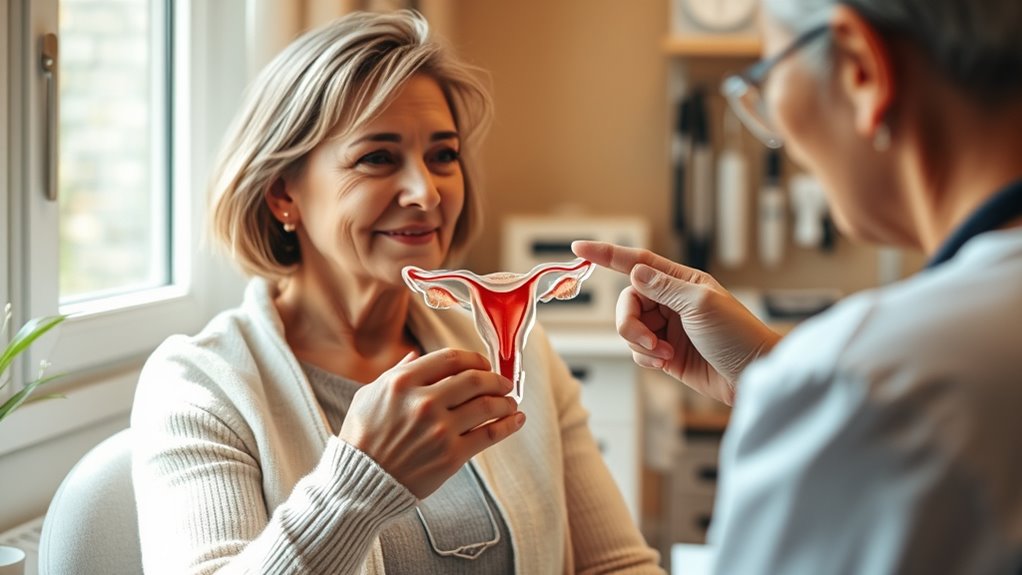
Although you might think Pap smears are only important for younger women, they remain essential after 50. Your risk for cervical cancer doesn’t disappear as you age; in fact, some cases develop later in life.
Pap smears help detect abnormal cells on your cervix before they turn into cancer. Even if you’ve had normal results in the past, regular screening ensures that any changes don’t go unnoticed.
Regular Pap smears catch abnormal cervical cells early, even after previous normal results.
Additionally, menopause can cause changes in your cervical cells, making monitoring important. By keeping up with Pap smears, you’re actively protecting your health, catching potential issues early, and giving yourself the best chance for successful treatment if necessary.
Staying informed about your cervical health is a smart move at any age. So, don’t skip those check-ups!
Current Guidelines for Pap Smear Frequency in Women Over 50

You should know that screening intervals for Pap smears change once you hit 50, based on your health history and previous test results. Guidelines recommend specific timing to balance early detection with avoiding unnecessary procedures.
Let’s look at what the current age-specific recommendations suggest for you.
Recommended Screening Intervals
Since cervical cancer risk changes with age and medical history, your doctor will recommend how often you should have a Pap smear after 50. Generally, the intervals depend on your previous screening results and overall health.
Here’s what you can expect:
- If your past Pap smears and HPV tests are normal, you might only need screening every 3 to 5 years.
- If you have a history of abnormal results or certain risk factors, your doctor may suggest more frequent testing, such as every 1 to 3 years.
- Once you reach 65 and have had consistent normal screenings, your doctor may advise discontinuing Pap smears altogether.
Always follow your healthcare provider’s personalized advice to ensure the best protection.
Age-Specific Testing Guidelines
When you turn 50, your Pap smear schedule adjusts to reflect changes in risk and screening history.
Generally, if your previous results have been normal, you’ll have screenings less often.
Here’s a simple guide to help you understand:
| Age Group | Pap Smear Frequency | Notes |
|---|---|---|
| 50-64 | Every 3 years | If past tests are normal |
| 50-64 | Every 5 years | Combined Pap + HPV testing |
| 65+ | Stop screening | If no history of cervical cancer |
Factors That May Affect Your Screening Schedule
Although general guidelines suggest routine Pap smears every three years after 50, several factors can influence how often you should get screened. Your personal health history and risk play a big role in determining the right schedule for you.
Consider these key factors:
- Previous Abnormal Results: If you’ve had abnormal Pap smears or HPV infections, your doctor might recommend more frequent testing to monitor changes closely.
- Immune System Status: Conditions that weaken your immune system, like HIV or certain medications, can increase your risk, requiring more regular screening.
- Lifestyle and Exposure: Smoking or a history of multiple sexual partners can elevate your risk, prompting your healthcare provider to adjust your screening intervals accordingly.
It’s important to discuss these factors honestly with your doctor. That way, you can create a personalized screening plan that really fits your needs.
Preparing for Your Pap Smear Appointment
When scheduling your Pap smear, try to pick a time when you’re not on your period. This helps get the most accurate results.
During the appointment, your healthcare provider will gently collect cells from your cervix. They do this to check for any abnormalities.
Knowing what to expect can really help you feel more comfortable. It also helps you come prepared for the visit.
Scheduling Your Appointment
Since preparing for a Pap smear can feel overwhelming, scheduling your appointment ahead of time helps guarantee you’re ready and relaxed.
Start by choosing a date when you’re least likely to be on your period, as this ensures the most accurate results. Next, check with your healthcare provider about any specific instructions, like avoiding vaginal creams or intercourse 48 hours before the test.
Finally, confirm your appointment a few days in advance to avoid last-minute changes.
- Pick a date outside your menstrual cycle for clarity.
- Follow any pre-test guidelines from your doctor.
- Double-check your appointment to keep your schedule intact.
Planning this way makes your Pap smear experience smoother and stress-free.
What to Expect
Before you arrive for your Pap smear, know that the procedure is quick and generally causes only mild discomfort.
You’ll lie on an exam table while your healthcare provider uses a speculum to gently open the vagina, allowing access to the cervix.
A small brush or spatula collects cells for testing. The whole process takes about 5 to 10 minutes.
| Step | What Happens | Tips for Comfort |
|---|---|---|
| Preparation | You undress from the waist down | Wear comfortable clothes |
| Speculum insertion | Provider inserts speculum | Take deep breaths |
| Cell collection | Cells gently scraped from cervix | Relax and stay still |
| Completion | Speculum removed, test ends | Ask questions if unsure |
What to Expect During and After the Procedure
Although the thought of a Pap smear might make you a bit uneasy, the procedure itself is quick and straightforward.
You’ll lie down and a speculum will gently open your vagina so your healthcare provider can collect cells from your cervix. It usually takes just a few minutes.
Here’s what you can expect:
- Mild discomfort or pressure during cell collection—usually brief and tolerable.
- A slight spotting or light bleeding afterward, which is normal.
- You can resume normal activities immediately, but avoid douching or intercourse for 24 hours to keep results accurate.
If you experience heavy bleeding or severe pain, contact your provider.
Otherwise, you’ll just wait for your results, which typically come back within a few weeks.
When to Consult Your Healthcare Provider About Pap Smears
If you notice unusual symptoms like persistent spotting, pelvic pain, or changes in your menstrual cycle, you should consult your healthcare provider about having a Pap smear sooner than scheduled. These signs could indicate cervical abnormalities that need prompt evaluation.
Also, if you’ve had an abnormal Pap smear result in the past, don’t delay follow-up appointments. If you’re experiencing unusual discharge, pain during intercourse, or have a family history of cervical cancer, be sure to discuss these with your provider as well.
Regular screenings remain vital even after 50. However, your provider might recommend more frequent testing based on your health history.
Conclusion
Think of your Pap smear as a lighthouse—steady and reliable, guiding you safely through the fog of uncertainty about your health after 50. By keeping up with recommended screenings, you’re shining a light on potential issues before they grow.
Remember, this simple step empowers you to navigate your well-being with confidence. Stay vigilant, prepare well, and don’t hesitate to reach out to your healthcare provider when the path feels unclear.
Regular Pap smears after 50 are crucial in detecting cervical changes early, helping prevent serious health issues. Make sure to follow your doctor’s advice on how often to have a Pap smear, and keep this important screening on your health checklist. Taking these proactive steps ensures you’re looking out for your future health with care and confidence.