How to Manage Normal Bleeding After a Pap Smear Test
After a pap smear, it’s common to experience some normal bleeding or spotting. You might notice light spotting or mild cramping, which usually lasts a day or two.
This kind of bleeding is typically nothing to worry about and is part of your body’s natural response to the test.
To manage this normal bleeding after a pap smear, use sanitary pads rather than tampons to stay comfortable and hygienic.
It’s best to avoid tampons, douching, or vaginal sprays for at least 24 hours after the test to prevent irritation or infection.
Wearing loose clothing can also help you feel more comfortable during this time.
However, if the bleeding becomes heavy, lasts longer than a few days, or you experience severe pain or fever, it’s important to contact your healthcare provider immediately.
These symptoms could indicate an infection or another issue that needs medical attention.
Keep reading to learn more about how to care for yourself after your pap smear.
Understanding the Causes of Bleeding After a Pap Smear
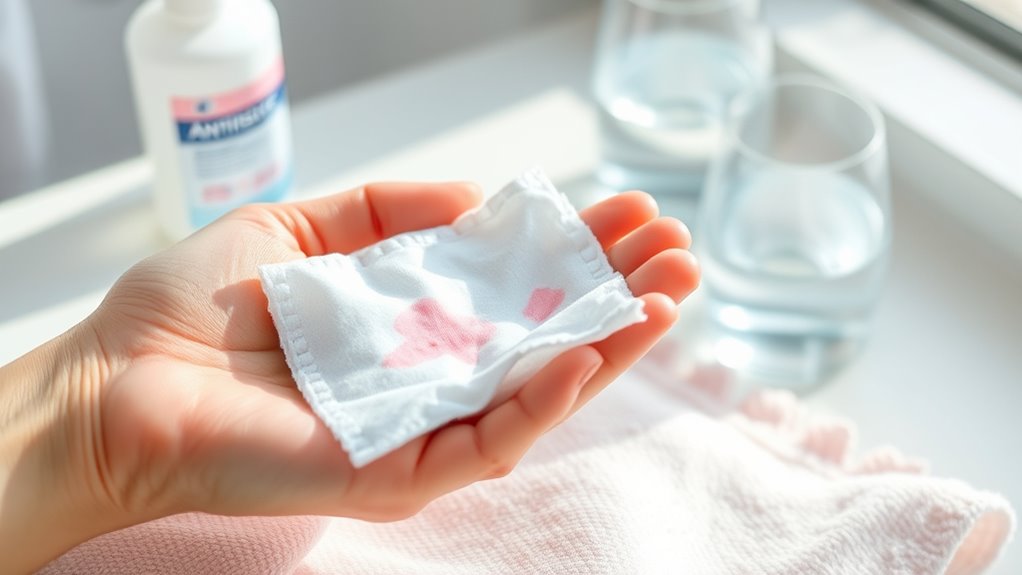
Although bleeding after a Pap smear is usually minimal and short-lived, it can still catch you off guard. When the healthcare provider collects cervical cells, the gentle scraping or brushing can irritate the delicate tissue, causing slight bleeding.
This is completely normal and doesn’t mean anything’s wrong. If you have a sensitive cervix or inflammation, you might experience a bit more spotting.
Also, if you’re on blood thinners or have certain infections, bleeding may be more noticeable. Understanding these causes helps you stay calm and prepared.
What to Expect Immediately Following the Test
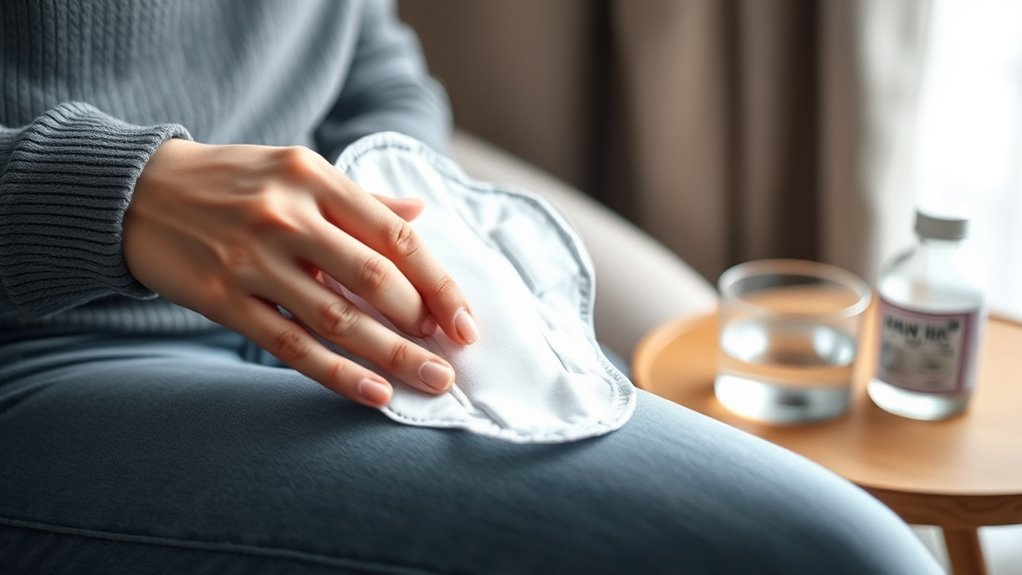
Right after your Pap smear, you might notice light spotting or mild cramping that usually lasts a day or two. It’s normal to experience some discomfort, but you should avoid using tampons or douching to help prevent irritation.
Taking it easy and using a sanitary pad can make these first hours more comfortable. Just give yourself some time to rest and let your body settle down.
Typical Bleeding Duration
While most people experience only light spotting after a Pap smear, you might notice some bleeding that lasts for a few hours to a couple of days. This bleeding is usually minimal and should gradually decrease over time.
If you see bright red blood, it’s likely just fresh spotting from the test. Light brown or pinkish discharge can also occur as the area heals. Typically, bleeding won’t persist beyond 48 hours.
If you find that the bleeding continues past this timeframe or becomes heavier, it’s important to reach out to your healthcare provider. Remember, slight bleeding is normal and usually resolves on its own, so you can carry on with your daily activities while monitoring your symptoms closely.
Common Discomfort Symptoms
Along with some bleeding, you might notice a few common discomforts immediately after your Pap smear. It’s normal to feel mild cramping or a slight pinch in your lower abdomen, similar to menstrual cramps.
You could also experience some light spotting or a watery discharge, which usually subsides within a day or two. Some women report a sensation of pressure or mild irritation in the vaginal area, but this should not be painful or severe.
If you feel any sharp pain or heavy bleeding, that’s not typical and you should contact your healthcare provider. Overall, these symptoms are short-lived and part of your body’s natural response to the test.
Knowing what to expect can help you feel more at ease right after the procedure.
Immediate Care Tips
Although the bleeding and discomfort after a Pap smear are usually mild, you should take a few simple steps to care for yourself immediately following the test. First, use a sanitary pad instead of a tampon to manage any spotting; this helps reduce irritation and infection risk.
Avoid douching or using vaginal sprays for at least 24 hours. You might want to rest for a bit if you feel lightheaded or crampy. Wearing loose, comfortable clothing can also ease any sensitivity.
Stay hydrated and avoid strenuous exercise for the day. If you notice heavy bleeding, severe pain, or a foul smell, contact your healthcare provider promptly.
Following these tips ensures your recovery is smooth and comfortable. Just take it easy and listen to your body!
Recommended Practices to Minimize Discomfort
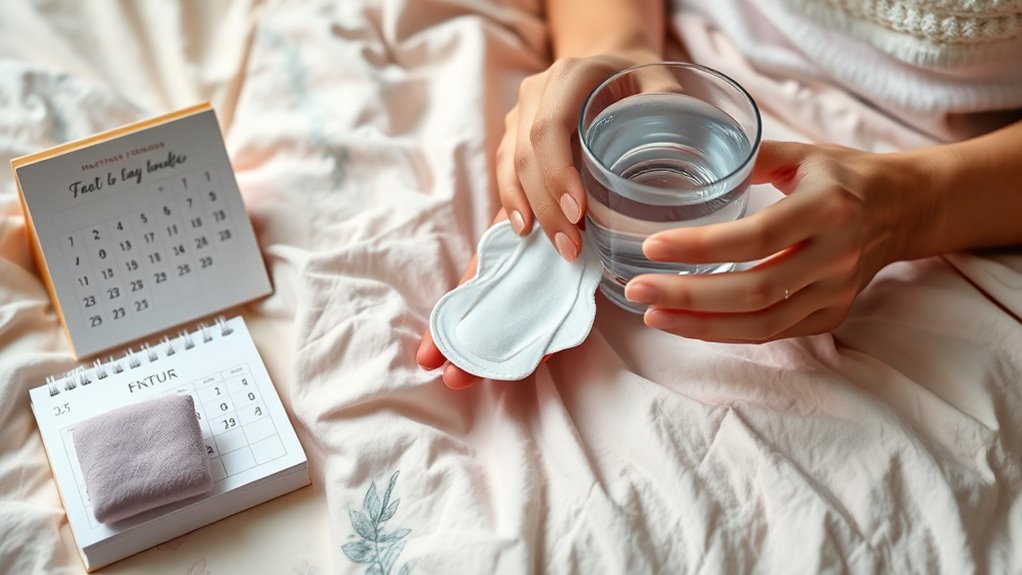
To minimize discomfort after a Pap smear, you should take a few simple steps that help manage bleeding and reduce irritation. First, avoid using tampons for at least 24 to 48 hours; instead, opt for sanitary pads to gently absorb any bleeding.
Wear loose, breathable clothing to prevent added irritation. Keep the area clean by gently washing with warm water—skip harsh soaps or douches that can disrupt your natural balance.
Rest as much as possible and avoid strenuous activities, which can increase bleeding. If you have any mild cramping, over-the-counter pain relievers like ibuprofen can help ease discomfort.
Following these practices supports your body’s healing process and keeps you comfortable during the recovery period after the test. Just take it easy and listen to your body.
When to Be Concerned About Post-Test Bleeding
How do you know when bleeding after a Pap smear is a sign of trouble? Usually, light spotting is normal. But you should watch for certain warning signs.
If the bleeding is heavy, lasts more than a few days, or comes with severe pain or fever, contact your healthcare provider right away. Also, unusual discharge or a foul odor can mean an infection.
| Symptom | When to Be Concerned |
|---|---|
| Heavy bleeding | More than a few spots or soaking pads |
| Prolonged bleeding | Lasting over 3 days |
| Severe pain or cramping | Intense or worsening pain |
| Fever or unusual discharge | Signs of possible infection |
Don’t hesitate to seek help if you notice any of these symptoms. It’s better to be safe and get checked out.
Tips for Maintaining Vaginal Health Post-Pap Smear
After your Pap smear, you should take simple steps to support your vaginal health and promote healing. Avoid using tampons for a few days to reduce irritation and lower infection risk.
Instead, opt for sanitary pads if you experience any bleeding. Keep the area clean by gently washing with warm water—skip scented soaps or douches as they can disrupt your natural balance.
Wear breathable cotton underwear and loose clothing to prevent moisture buildup. Stay away from sexual intercourse for at least 24-48 hours or until any bleeding stops.
Drinking plenty of water helps flush your system and maintain overall health. By following these tips, you’ll help your body recover swiftly and minimize discomfort after the test.
Communicating With Your Healthcare Provider About Symptoms
Although experiencing some spotting after a Pap smear can be normal, you should promptly inform your healthcare provider if you notice heavy bleeding, severe pain, or unusual symptoms.
Clear communication helps your provider assess your condition accurately and provide proper care.
Use the table below to track your symptoms before contacting your provider:
| Symptom | Description/Notes |
|---|---|
| Bleeding amount | Light spotting, heavy flow, or clots? |
| Pain level | Mild discomfort or sharp pain? |
| Duration of symptoms | How many hours or days lasting? |
| Additional symptoms | Fever, dizziness, or unusual discharge? |
| Changes over time | Symptoms improving, worsening, or stable? |
Accurately reporting these details ensures your healthcare team can offer the best advice and treatment.
Conclusion
It’s normal to experience light bleeding after a Pap smear—about 30% of people do. This usually passes quickly and isn’t something to worry about.
By following simple care tips and staying aware of any unusual symptoms, you can manage the discomfort effectively. If the bleeding lasts more than a couple of days or feels heavy, don’t hesitate to contact your healthcare provider.
Taking care of yourself after the Pap smear test is important. Managing normal bleeding properly helps keep you healthy and informed. Remember, normal bleeding after a Pap smear is common, but knowing when to seek medical advice ensures your well-being. Stay comfortable and take it easy as your body recovers.