How to Manage Normal Cramping After a Pap Smear
You might experience mild cramping after a pap smear, which is quite common. This discomfort usually comes from cervical irritation and minor muscle contractions.
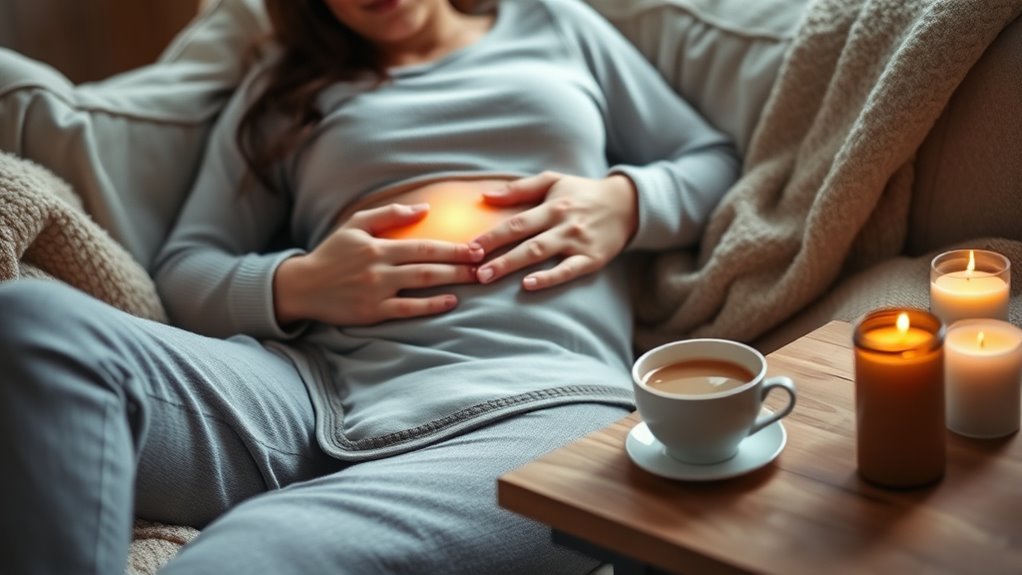
To ease the cramping, try placing a warm compress on your lower abdomen. Taking over-the-counter pain relievers like ibuprofen can also help reduce the pain. Make sure to stay hydrated and get plenty of rest.
Light activity might actually help, but avoid any heavy exertion for a little while. If you notice the cramps getting worse, heavy bleeding, or if you develop a fever, it’s important to contact your doctor right away.
Keep reading to discover how to best support your recovery and tips to prevent discomfort in the future. Managing normal cramping after a pap smear doesn’t have to be hard!
What Causes Cramping After a Pap Smear
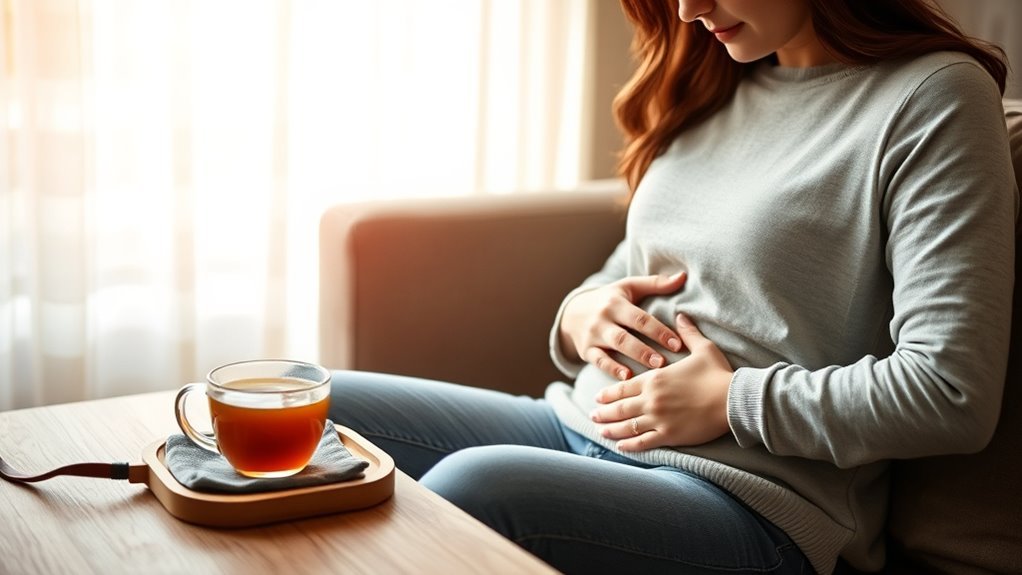
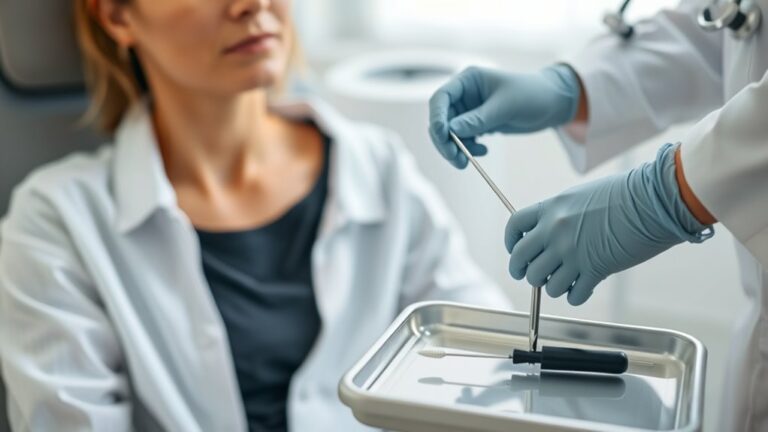
Although a Pap smear is a quick and routine procedure, you might experience cramping afterward due to the cervix being gently scraped to collect cells. This scraping can irritate the sensitive cervical tissue, triggering mild muscle contractions in your uterus.
Cramping after a Pap smear is common as gentle scraping of the cervix can cause mild uterine contractions.
The cramping you feel is similar to menstrual cramps but generally less intense. Additionally, the insertion of the speculum to open your vagina can stretch and stimulate surrounding muscles, which adds to the discomfort.
Some women’s cervixes react more strongly to this process, especially if they’re anxious or tense during the exam. Minor inflammation and increased blood flow to the area also play a role in causing those post-procedure cramps.
Understanding these causes can help you stay calm, knowing that cramping after a Pap smear is a normal, temporary response. So, try not to worry—it usually passes pretty quickly!
Typical Duration of Post-Pap Smear Cramping
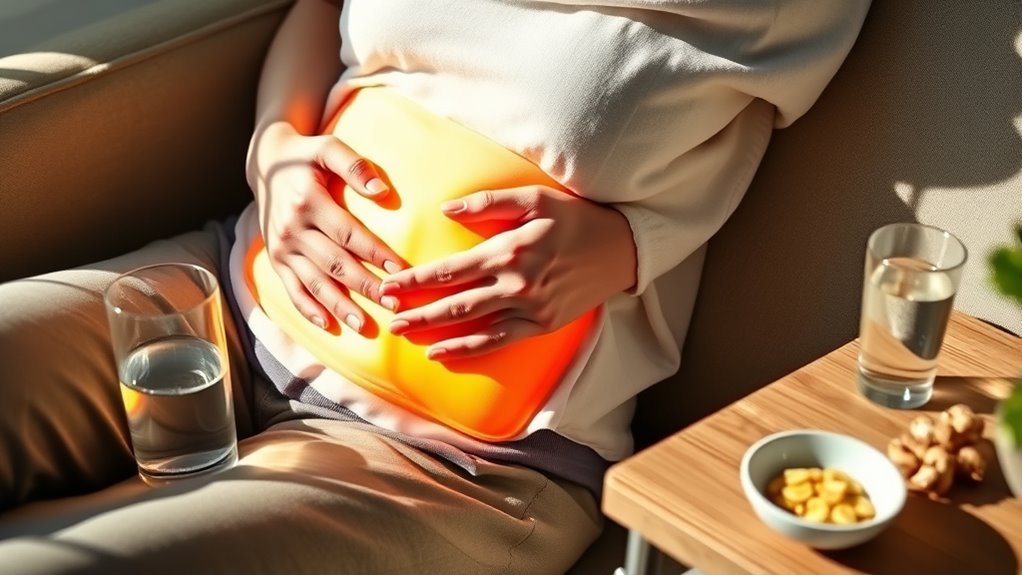
Knowing that cramping after a Pap smear is a normal response can help you better manage your expectations. Typically, you might experience mild to moderate cramping immediately following the procedure.
This discomfort usually subsides within a short time frame. Here’s what you can generally expect regarding the duration:
- Cramping often lasts from a few minutes up to 24 hours.
- In some cases, mild cramping may persist for 1 to 2 days.
- Heavy or prolonged cramping beyond 48 hours is uncommon and should prompt medical advice.
- Spotting or light bleeding might accompany cramping but usually resolves quickly.
Being aware of this timeline helps you understand what’s normal and when to seek help if symptoms persist or worsen. So, if things feel off or last longer than expected, don’t hesitate to check in with your healthcare provider.
Home Remedies to Alleviate Cramping
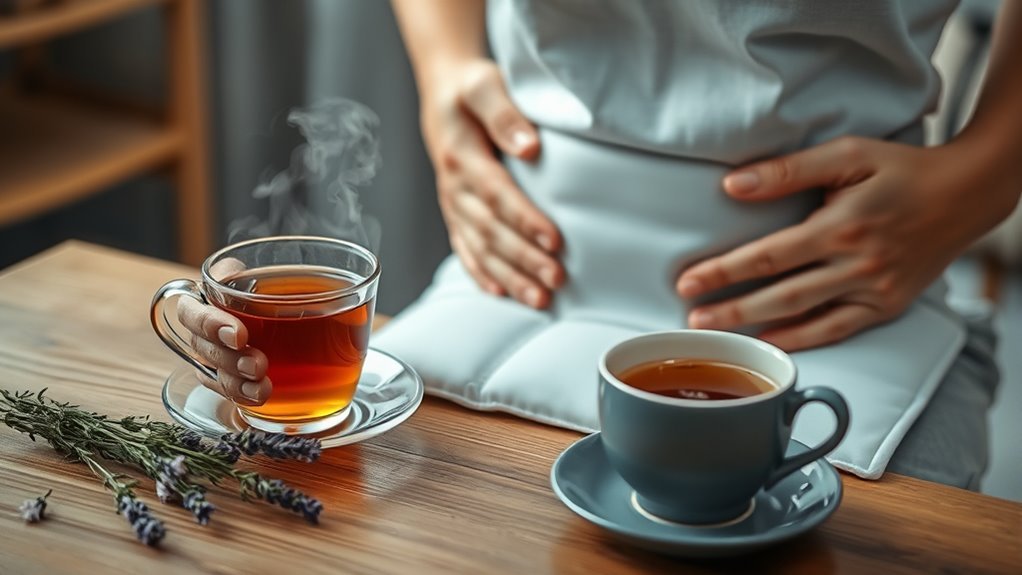
If you experience cramping after a Pap smear, you can try several simple home remedies to ease the discomfort. Applying a heating pad or warm compress to your lower abdomen helps relax muscles and reduce pain.
Taking over-the-counter pain relievers like ibuprofen or acetaminophen can also provide relief, but be sure to follow the recommended dosage. Drinking plenty of water and staying hydrated supports your body’s healing process.
Gentle activities such as light walking may improve circulation and alleviate cramps. Just avoid strenuous exercise until the cramping subsides.
Resting in a comfortable position and practicing deep breathing can help you manage discomfort effectively. These remedies usually ease mild cramping, allowing you to feel better without needing medical intervention.
When to Seek Medical Advice
If your cramping worsens, lasts more than a couple of days, or comes with heavy bleeding or fever, it’s time to see a doctor.
Don’t ignore sharp or unusual pain that doesn’t improve with home care.
Paying attention to these warning signs helps you get the right treatment promptly.
Warning Signs to Watch
Although mild cramping after a Pap smear is common, you should pay close attention to signs that indicate a problem. If you notice any unusual symptoms, don’t hesitate to reach out to your healthcare provider promptly.
Here are key warning signs to watch for:
- Heavy bleeding that soaks more than one pad per hour
- Severe pain that doesn’t improve with over-the-counter pain relievers
- Fever or chills suggesting an infection
- Foul-smelling or unusual vaginal discharge
These symptoms could signal complications such as infection or injury. Trust your instincts—if something feels off, getting medical advice early can help prevent more serious issues.
Always prioritize your health and comfort after your Pap smear. It’s better to be safe and check in with your provider if you’re unsure about anything.
Duration and Severity Limits
Pay close attention to how long and how intense your cramping lasts after a Pap smear. Mild cramping usually fades within a few hours, though some discomfort might linger for up to 24 hours.
If your cramps become severe, worsen over time, or last beyond a full day, you should contact your healthcare provider. Additionally, if you experience heavy bleeding, fever, or unusual discharge alongside cramping, seek medical advice promptly.
These signs may indicate an infection or other complications. Remember, normal post-Pap cramping is brief and manageable.
Don’t hesitate to reach out if your symptoms feel abnormal or if you’re unsure about what you’re experiencing. Taking timely action ensures your health stays on track.
Lifestyle Tips to Support Recovery
To support your recovery after a Pap smear, make sure you stay well-hydrated and get plenty of rest. Gentle physical activity, like light walking, can also help ease cramping without putting too much strain on your body.
Listening to your body and pacing yourself will speed up the healing process. Take it easy and give yourself the care you need—you’ll feel better in no time!
Hydration and Rest
When you experience cramping after a Pap smear, staying well-hydrated can help ease discomfort and support your body’s healing process. Drinking plenty of water flushes out toxins and keeps your tissues hydrated, which may reduce cramping intensity.
Alongside hydration, getting enough rest allows your body to recover and prevents added strain that could worsen cramps. It’s really important to listen to your body and give it the downtime it needs.
To support your recovery, try these simple tips:
- Drink at least 8 glasses of water daily
- Avoid caffeine and alcohol, which can dehydrate you
Rest in a comfortable position, preferably lying down. If you feel fatigued, take short naps whenever you can. Your body will thank you!
Gentle Physical Activity
Although rest is essential after a Pap smear, engaging in gentle physical activity can actually help reduce cramping and improve circulation. You don’t need to jump into intense workouts; simple movements like walking or stretching can ease discomfort and promote blood flow to your pelvic area.
Try taking short, slow walks around your home or outside. This can also boost your mood and prevent stiffness. Gentle yoga poses focused on relaxation and stretching can help release tension in your lower abdomen.
Just listen to your body—if any activity increases your pain, stop and rest. Incorporating light movement into your recovery supports healing without overexerting yourself.
Preventive Measures for Future Pap Smears
Since cramping after a Pap smear can be uncomfortable, you can take simple steps to reduce the chances of experiencing it in the future. Preparing your body and mind beforehand helps minimize discomfort and makes the process smoother.
Consider these preventive measures:
- Schedule your Pap smear when you’re not on your period, as this can decrease sensitivity.
- Avoid using vaginal creams or douches 48 hours before the test to prevent irritation.
- Communicate any previous pain or anxiety with your healthcare provider so they can adjust their approach.
- Practice relaxation techniques, like deep breathing, to reduce tension during the exam.
Conclusion
Think of your body as a garden—after a gentle pruning like a Pap smear, some tenderness is natural, like the soil adjusting to new growth. Cramping usually fades quickly, much like morning dew evaporates with the sun.
By nurturing yourself with rest and simple remedies, you help your garden heal. But if the discomfort deepens or lingers, don’t hesitate to seek your gardener’s advice—your health deserves careful tending and care.
Managing normal cramping after a Pap smear is all about listening to your body and giving it the care it needs. Simple steps like resting, staying hydrated, and using a warm compress can ease mild discomfort. Remember, mild cramping is common and generally nothing to worry about. However, if you experience severe or prolonged pain, unusual bleeding, or other concerning symptoms, it’s important to reach out to your healthcare provider. Taking these precautions ensures your body heals properly and helps you stay on top of your reproductive health.