Does a Virgin Need Pap Smears?
If you’re a virgin, you typically don’t need a Pap smear right away because cervical cancer screening usually starts at age 21 regardless of sexual activity.
Pap smears are designed to detect abnormal cells on the cervix before they turn into cancer.
However, some health factors like a family history of cervical cancer or immune system issues might make it important to start screening earlier.
HPV, the virus that causes most cervical cancers, spreads mostly through skin-to-skin contact, not just intercourse.
Even if you’re not sexually active, regular gynecological checkups are still beneficial for your overall health.
These visits can help monitor your reproductive health and address any concerns you might have.
So, keep exploring and learning about your health. Understanding when and why you might need screening empowers you to make informed decisions about your care.
Understanding Pap Smears and Their Purpose
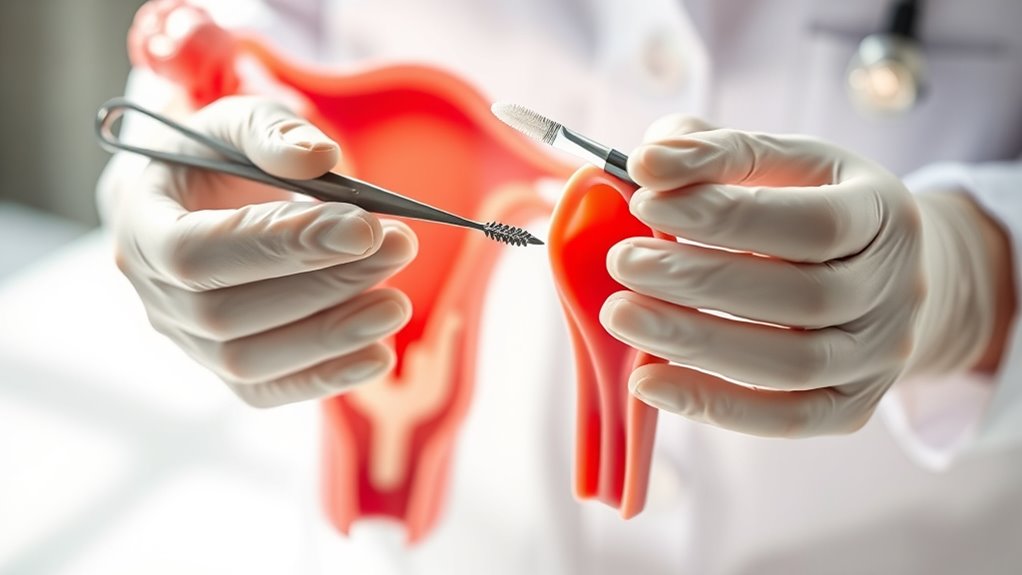
What exactly is a Pap smear, and why does it matter? A Pap smear is a simple screening test that checks for abnormal cells on your cervix, the lower part of your uterus. These abnormal cells, if left untreated, can develop into cervical cancer over time.
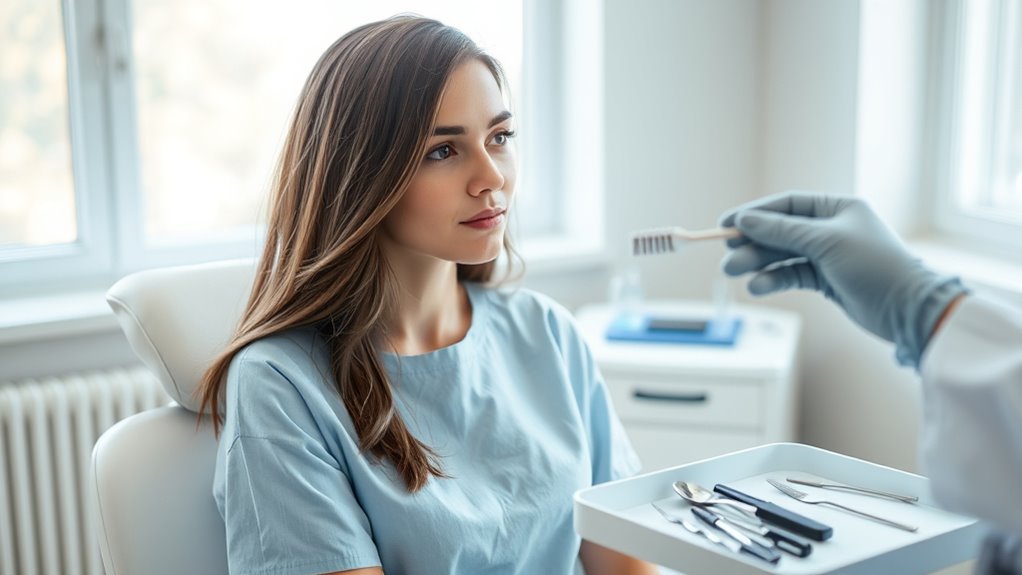
During the test, your healthcare provider gently collects cells from your cervix using a small brush or spatula. It’s quick, generally painless, and usually takes just a few minutes.
Your provider collects cervical cells gently with a small brush — quick, painless, and takes only minutes.
The main goal is early detection — finding cell changes before they turn into cancer. By getting regular Pap smears, you can take control of your health and reduce your risk of cervical cancer considerably.
It’s a key tool in preventive care for anyone with a cervix. So, it’s definitely worth making time for this simple test!
How HPV Relates to Cervical Cancer
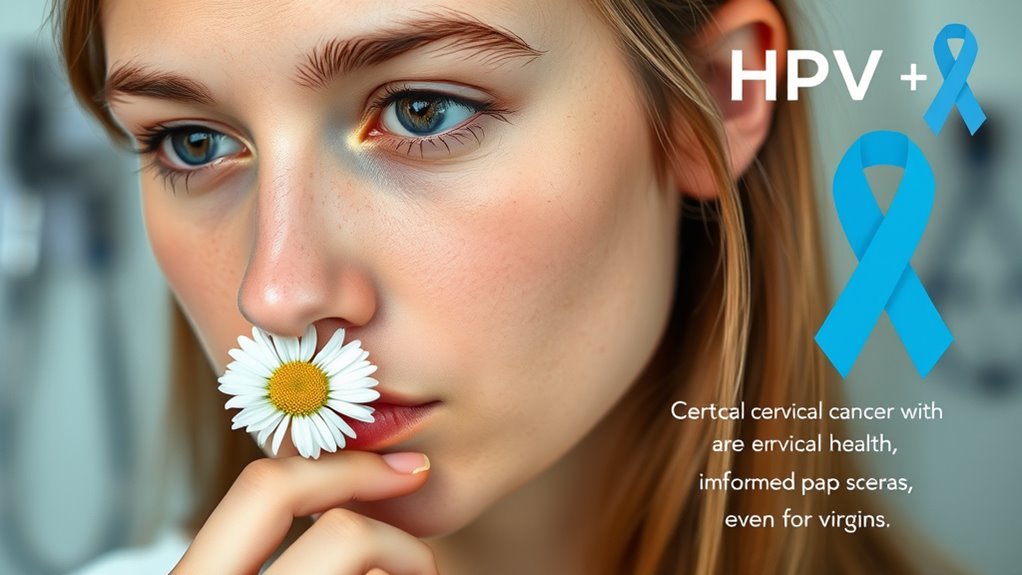
You might think HPV only spreads through sexual contact, but it can transmit in other ways too. Understanding how HPV plays a vital role in developing cervical cancer is essential for your health.
Let’s look at how this virus affects your body and why screening matters. It’s really important to stay informed and proactive about these things.
HPV Transmission Methods
Although HPV is commonly known as a sexually transmitted infection, it can spread through skin-to-skin contact without intercourse. This means you don’t have to be sexually active to be exposed.
The virus thrives on the skin and mucous membranes, so even genital contact without penetration can transmit it. You can also get HPV from oral contact, like kissing, if the virus is present.
Sharing contaminated objects, like towels or medical instruments, is less frequent but possible. Since HPV is so easily transmitted, it’s important to understand that exposure isn’t limited to sexual intercourse.
That’s why regular health check-ups, including Pap smears when recommended, are vital for monitoring your cervical health, regardless of your sexual history.
HPV’s Role in Cancer
How does HPV contribute to cervical cancer? When you get infected with high-risk types of HPV, the virus can cause changes in the cells of your cervix. These changes sometimes lead to abnormal cell growth, which, if left untreated, can progress to cervical cancer over time.
HPV produces proteins that interfere with your cells’ normal functions, especially those that control cell division and death. This disruption makes it easier for damaged cells to multiply uncontrollably.
While most HPV infections clear on their own, persistent infection with high-risk HPV increases your risk considerably. That’s why regular screening with Pap smears or HPV tests is essential—they detect precancerous changes early, giving you a chance to get treatment before cancer develops.
Understanding HPV’s role helps you take charge of your cervical health.
Medical Guidelines for Pap Smears in Virgins
You might wonder when you should start getting Pap smears if you’re a virgin. Medical guidelines usually recommend beginning screening based on age and specific risk factors rather than sexual activity alone.
Let’s look at what these recommendations say and how your individual risks play a role. It’s important to understand that being a virgin doesn’t necessarily mean you’re exempt from needing Pap smears at the right time.
Screening Recommendations Overview
When considering whether virgins need Pap smears, current medical guidelines focus on individual risk factors rather than sexual activity alone. If you’re a virgin without risk factors, routine Pap smears typically aren’t necessary before age 21.
The main goal of screening is to detect cervical changes caused by human papillomavirus (HPV), which is usually transmitted sexually. However, guidelines recommend starting Pap smears at age 21 regardless of sexual history.
After that, you should follow your healthcare provider’s advice on frequency, usually every three years if results are normal. If you have specific health issues or risk factors, your provider might suggest earlier or more frequent screening.
Risk Factors Considered
Although virgins generally face a lower risk for cervical abnormalities, certain factors can increase the need for Pap smears. If you have a history of immunosuppression, such as HIV infection or are on immunosuppressive medications, your risk rises.
Additionally, if you’ve experienced genital warts or other HPV-related conditions, screening becomes more important. Even if you haven’t engaged in vaginal intercourse, exposure to HPV through other sexual activities can occur.
It’s also essential to consider any abnormal findings during a pelvic exam or if you have symptoms like unexplained bleeding or discharge. Your healthcare provider will evaluate these risk factors alongside your medical history to determine whether a Pap smear is necessary, ensuring you receive appropriate preventive care tailored specifically to your situation.
Other Reasons for Needing a Pap Smear
Even if you’re a virgin, there are important reasons beyond sexual activity that make getting a Pap smear necessary. Certain medical conditions, family history, or previous abnormal results may warrant regular screening.
Also, hormonal changes or immune system issues can affect cervical health. Understanding these factors can help you stay proactive about your well-being.
| Reason | Explanation |
|---|---|
| Family History | Genetic predisposition to cervical issues |
| Immune System Disorders | Weakened immunity affects cell health |
| Previous Abnormal Pap Results | Follow-up needed to monitor cervical changes |
| Hormonal Imbalance | Can cause abnormal cell growth |
| Exposure to Diethylstilbestrol (DES) | In utero exposure increases risk |
Knowing these reasons empowers you to prioritize your health wisely.
When to Start Cervical Cancer Screening
You should start cervical cancer screening by age 21, regardless of your sexual activity. Screening at this age helps detect abnormal cells early, even if you haven’t been sexually active.
Your healthcare provider will typically recommend a Pap smear every three years between ages 21 and 29. This schedule balances the benefits of early detection with minimizing unnecessary procedures.
After 30, your doctor might suggest combining a Pap smear with HPV testing every five years, depending on your risk factors. Remember, starting screening on time is vital for prevention.
If you have specific health concerns or a family history of cervical cancer, discuss them with your provider to tailor your screening schedule. Following these guidelines helps you stay proactive about your cervical health.
The Importance of Regular Gynecological Checkups
Regular gynecological checkups play a key role in maintaining your overall reproductive health beyond just cervical cancer screening. Even if you’re a virgin and don’t need a Pap smear yet, these visits help detect other issues early, like infections, hormonal imbalances, or menstrual problems.
Your doctor can also guide you on contraception, sexual health, and preventive care tailored to your needs. It’s all about making sure you’re covered from every angle.
| Benefit | Why It Matters |
|---|---|
| Early Detection | Identifies health issues before symptoms |
| Personalized Advice | Tailors care to your lifestyle and needs |
| Infection Screening | Detects and treats infections promptly |
| Reproductive Planning | Helps with fertility and family planning |
| Vaccination Updates | Keeps you protected against HPV and others |
Regular checkups empower you to stay proactive about your health. So, why wait? Taking charge now means fewer worries down the road.
Conclusion
You don’t need a Pap smear just because you’re a virgin, but you do need regular checkups. You don’t get screened solely based on sexual activity, but you do get screened based on age and risk factors.
You don’t skip visits to the gynecologist, and you don’t ignore your body’s signals. You stay informed, you stay proactive, and you stay committed to your health—because your well-being is worth it.
Remember, maintaining your reproductive health is important regardless of your sexual history. Regular gynecological exams help catch any potential issues early and keep you informed about your body. So, even if you’re a virgin, don’t skip those checkups. Taking care of your health is a smart step toward feeling your best and staying healthy long-term.