
How Often Should You Get a Pap Smear After 30?
After 30, you should get a Pap smear every three years if your results are normal. This regular screening helps detect any abnormal cervical changes early, keeping your health in check.
If you combine the Pap smear with HPV testing, you can extend the interval to every five years. That’s because the HPV test checks for high-risk human papillomavirus types that can cause cervical cancer.
However, if you have a history of abnormal Pap results or test positive for high-risk HPV, your doctor may recommend more frequent screenings. Your personal health and risk factors play a big role in deciding the best schedule for you.
Keep reading to find out what else might influence your Pap smear timing and how to stay on top of your cervical health.
Understanding Pap Smears and Their Importance
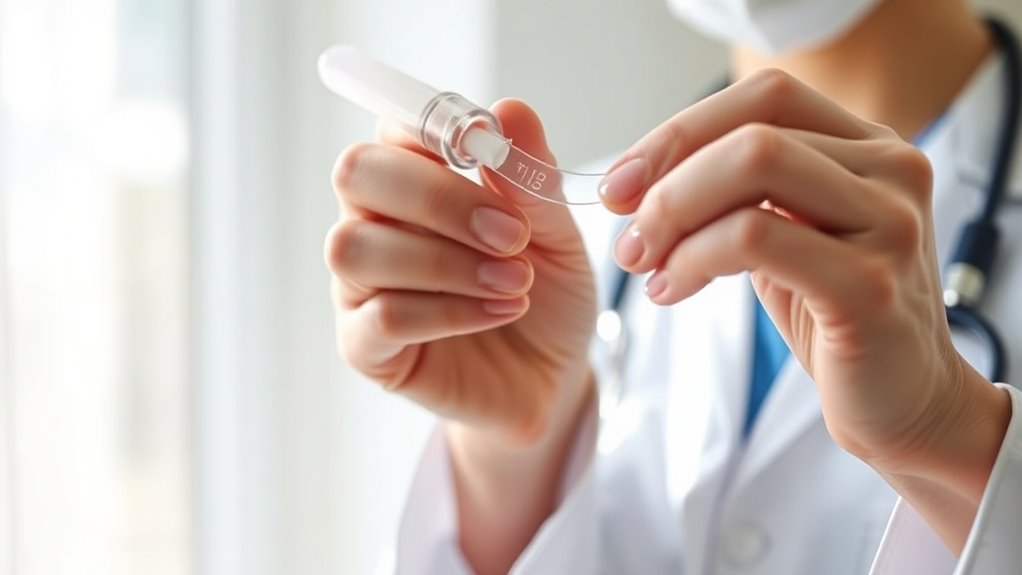
Although you might already know the basics, understanding what a Pap smear does is essential for your health. A Pap smear screens for abnormal cells on your cervix, helping detect early signs of cervical cancer before symptoms appear.
By catching these changes early, you can get timely treatment and reduce your risk of cancer developing. The procedure itself is quick and straightforward—your healthcare provider collects cells from your cervix during a pelvic exam.
Early detection through a quick, simple test allows timely treatment and lowers cancer risk.
It might feel a bit uncomfortable, but it’s usually painless. Regular Pap smears empower you to take control of your reproductive health, making them a vital tool in preventive care.
Staying informed about this test helps you appreciate its role in protecting your well-being. So, it’s definitely worth knowing more about and keeping up with your screenings!
Recommended Screening Intervals for Women Over 30

Since the risk of cervical abnormalities changes as you age, your Pap smear schedule should adjust accordingly. For women over 30, the recommended screening intervals depend on your previous results and overall health.
If your Pap smears have been normal, you typically need less frequent testing. Here’s a quick look at the guidelines:
| Screening Situation | Recommended Interval |
|---|---|
| Normal Pap results | Every 3 years |
| Pap + HPV co-testing | Every 5 years |
| History of abnormal Pap | More frequent, as advised by your doctor |
Following these intervals helps you catch potential issues early while avoiding unnecessary tests. Always consult your healthcare provider to tailor your Pap smear schedule to your personal health needs.
Impact of HPV Testing on Screening Frequency

You’ll find that adding HPV testing to your screening routine offers important benefits by identifying high-risk infections early. This can change how often you need a Pap smear, often allowing for longer intervals if your results are normal.
HPV Testing Benefits
How does HPV testing change how often you need a Pap smear? HPV testing helps identify high-risk strains of the virus that can cause cervical cancer. When combined with a Pap smear, it provides a clearer picture of your cervical health.
This means you and your healthcare provider can make more informed decisions about your screening schedule. If your HPV test is negative, it’s a strong indicator that your risk of cervical cancer is low, allowing for longer intervals between screenings.
On the other hand, a positive HPV result prompts closer monitoring to catch any abnormalities early. Overall, HPV testing adds a valuable layer of protection, helping you avoid unnecessary procedures while ensuring timely detection of potential issues.
It empowers you to take control of your health efficiently.
Screening Interval Changes
Although cervical cancer screening guidelines have evolved over time, HPV testing has considerably influenced how often you need a Pap smear after age 30. With HPV testing, the screening intervals can be longer and more tailored to your risk.
Here’s how HPV testing impacts frequency:
- If your HPV test is negative and Pap smear normal, you can extend screening to every 5 years.
- If HPV positive but Pap normal, you’ll need closer monitoring, usually every 12 months.
- If both tests show abnormalities, your healthcare provider will recommend appropriate follow-up or treatment.
This shift reduces unnecessary procedures while maintaining safety, so you won’t have to get Pap smears as often if you’re low risk.
Always discuss your results with your provider to determine the best schedule for you.
Risk-Based Screening Approach
Because HPV testing identifies your specific risk level, it lets your healthcare provider tailor how often you need cervical cancer screening.
If your test shows no high-risk HPV strains, you might safely extend the interval between screenings. On the other hand, if high-risk HPV is present, your provider may recommend more frequent monitoring to catch potential problems early.
| HPV Test Result | Screening Frequency |
|---|---|
| Negative for high-risk | Every 5 years |
| Positive for high-risk | Every 1-3 years |
| Unknown/Not tested | Every 3 years |
This risk-based approach ensures you get the right care at the right time. It helps avoid unnecessary tests or missing early signs.
Factors That May Affect Your Screening Schedule
Several factors can influence how often you should get a Pap smear after 30. Your screening schedule isn’t one-size-fits-all, so consider these key points:
- Medical History: If you’ve had abnormal Pap results or cervical cancer, your doctor may recommend more frequent screenings. It’s important to keep them updated on any changes.
- HPV Status: Testing positive for high-risk HPV types can lead to earlier or more regular Pap smears. This helps monitor any changes closely.
- Immune System Health: Conditions like HIV or medications that weaken your immune system might require closer surveillance. Your doctor will guide you on what’s best.
Understanding these factors helps you and your healthcare provider tailor your screening plan effectively. Always discuss your unique situation to ensure your Pap smear schedule fits your health needs.
What to Expect During a Pap Smear Appointment
Before your Pap smear, you’ll want to avoid using any vaginal products or having intercourse for at least 24 hours. This helps ensure the results are as accurate as possible.
During the appointment, your healthcare provider will gently collect cells from your cervix using a small brush or spatula. The procedure is quick and usually only causes mild discomfort. It’s a good idea to relax and take deep breaths—that can really help!
Preparation Steps
When you arrive for your Pap smear appointment, the healthcare provider will first explain the procedure and answer any questions you might have to help you feel comfortable.
To prepare effectively, follow these steps:
- Schedule Wisely: Avoid your appointment during your menstrual period, as it can affect sample accuracy.
- Avoid Interference: Don’t use vaginal creams, douches, or have sexual intercourse 48 hours before the test to ensure clear results.
- Relax: Wear comfortable clothing and try to stay calm; deep breaths can ease any anxiety.
These preparation steps help guarantee the sample is as accurate as possible and the appointment goes smoothly.
That way, the experience is less stressful for you.
Procedure Overview
Feeling prepared can make the Pap smear procedure feel less intimidating. When you arrive, you’ll lie on an exam table with your feet in stirrups. The doctor gently inserts a speculum to open the vagina.
Then, a small brush or spatula is used to collect cervical cells. It might cause brief discomfort, but it’s quick. Afterwards, you’ll relax as the sample is sent to a lab.
Here’s what you might feel during each step:
| Step | Sensation | Duration |
|---|---|---|
| Speculum Insert | Mild pressure | A few seconds |
| Cell Collection | Slight scraping | Less than a minute |
| Sample Sent | None | Instant |
| Rest | Relief | After procedure |
| Results Wait | Anxious/hopeful | Days to weeks |
When to Consult Your Healthcare Provider for Personalized Advice
Since every individual’s health needs differ, you should consult your healthcare provider to determine the best Pap smear schedule for you. Your doctor can tailor recommendations based on your unique risk factors and medical history.
Consider reaching out if you have a history of abnormal Pap smears or cervical cancer. It’s also important if you’re immunocompromised or have a condition affecting your immune system.
And don’t ignore unusual symptoms like abnormal bleeding, pain, or discharge. These could be signs that you need to get checked sooner.
Keeping a regular dialogue with your healthcare provider helps ensure your screening is timely and effective. They can advise on additional tests, such as HPV testing, and explain any changes in the guidelines.
Conclusion
Now that you know how often you should get a Pap smear after 30, isn’t it worth prioritizing your health with regular screenings? By staying on top of recommended intervals and considering HPV testing, you’re taking control of your well-being.
Remember, factors like your medical history can change your schedule, so keep an open dialogue with your healthcare provider. After all, when it comes to your health, proactive care makes all the difference.
Regular Pap smears and HPV testing after 30 are essential steps to catch potential issues early and maintain cervical health. Don’t wait—make those appointments a priority and stay informed about your screening needs. Your future self will thank you!