How You Can Get a Pap Smear While on Your Period
You can get a Pap smear while on your period, but it’s best to schedule it when your flow is light or just spotting.
Having heavy bleeding during the test can mix with the sample, which might make the results less accurate or even inconclusive.
Make sure to tell your healthcare provider that you’re menstruating before the test.
Also, avoid using tampons or any vaginal products beforehand.
Following their advice will help make the process smoother and more comfortable for you.
A little preparation goes a long way in keeping things easy and ensuring the reliability of your screening.
There’s actually more to discover about how to make this process easier and less stressful.
Just ask your provider for tips—they’re there to help!
Understanding the Pap Smear Procedure

Although you might feel a bit nervous, understanding the Pap smear procedure can help ease your mind.
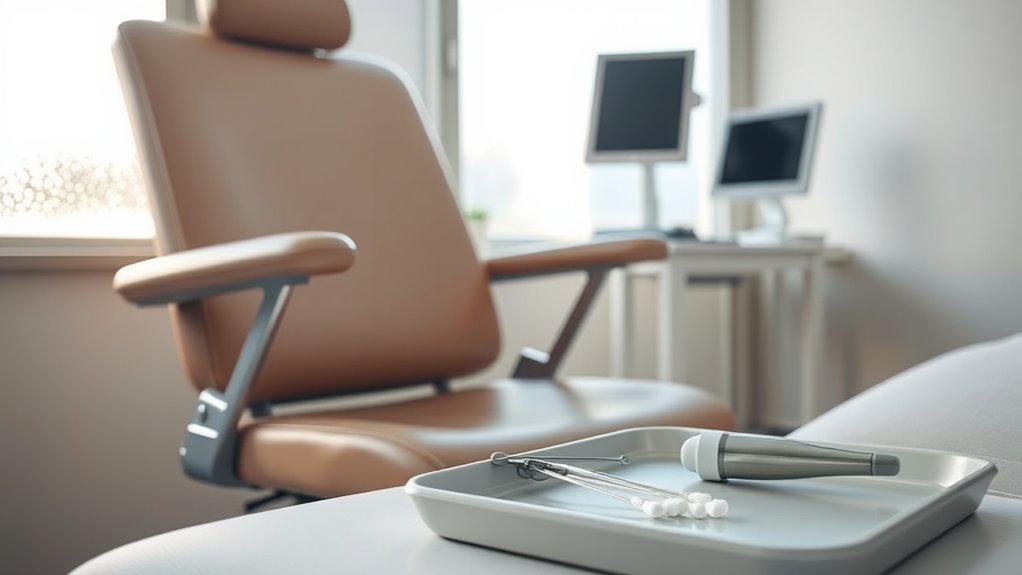
During the test, your healthcare provider gently inserts a speculum into your vagina to view your cervix clearly. Then, they use a small brush or spatula to collect cells from your cervix’s surface.
The process usually takes just a few minutes and may cause slight discomfort but shouldn’t be painful. You’ll lie on an exam table with your feet in stirrups, which helps your provider access the cervix easily.
The brief procedure might cause mild discomfort but is generally painless and done with your feet in stirrups for ease.
The collected cells are sent to a lab to check for abnormalities or signs of cervical cancer. Knowing what to expect can make the experience feel more manageable and less intimidating.
How Menstrual Blood Affects Pap Smear Results
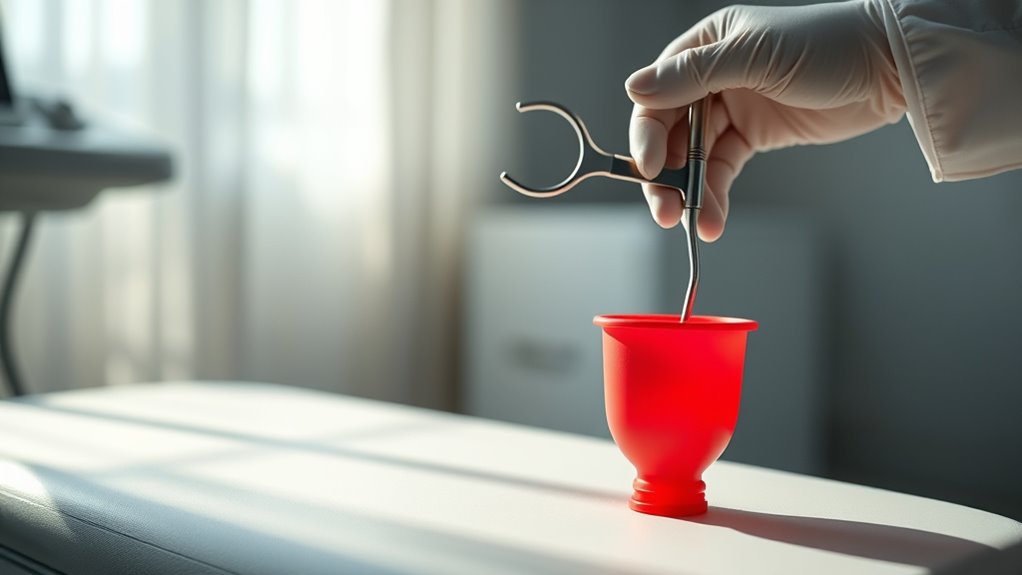
When you have menstrual blood during a Pap smear, it can make it harder to get clear results. Blood might mix with the sample and cause contamination, which could affect accuracy.
It’s good to understand these risks so you can decide the best time for your test. That way, you’re more likely to get accurate results without any confusion.
Blood Impact on Accuracy
Since menstrual blood can mix with cervical cells during a Pap smear, it may affect the test’s accuracy. You might wonder if blood can obscure abnormal cells or interfere with the lab’s ability to analyze the sample properly.
While some blood is usually manageable, heavy bleeding can make it harder to get clear results. Here’s how blood impacts accuracy:
- Blood may dilute or cover abnormal cells, making detection tougher
- Excessive blood can lead to inconclusive or unreadable results
- Labs might request a repeat test if blood interferes too much
- Light spotting usually doesn’t compromise the sample quality
Understanding this helps you prepare and decide the best timing for your Pap smear to ensure reliable results. So, if you’re spotting or bleeding heavily, it might be a good idea to talk to your doctor about scheduling.
Sample Contamination Risks
Menstrual blood can introduce contaminants that interfere with the Pap smear sample, making it harder for lab technicians to identify abnormal cells accurately. When blood mixes with cervical cells, it can obscure important details, leading to inconclusive or false results.
You might face the need for a repeat test, which can cause unnecessary stress and delay diagnosis. Additionally, the presence of blood can promote bacterial growth, potentially skewing the sample’s integrity.
While some clinics are equipped to manage these challenges, it’s important you understand the risks involved. If you choose to have a Pap smear during your period, communicate openly with your healthcare provider so they can take extra care in collecting and analyzing your sample, ensuring the most accurate results possible.
Scheduling Your Pap Smear During Your Period
When scheduling your Pap smear, aim for a time when you’re not on your period for the clearest results. If your period timing is unpredictable, don’t hesitate to talk openly with your healthcare provider about the best options.
They can help you find a schedule that works for your cycle and reduces any potential issues. It’s all about making sure you get the most accurate test results possible, without any added stress.
Best Timing Options
Although you can technically get a Pap smear during your period, choosing the right timing can make the process more comfortable and yield more accurate results.
Ideally, you want to schedule your test when menstrual flow is light or has stopped. This helps reduce discomfort and minimizes the chance of blood interfering with the sample.
Consider these timing tips:
- Aim for days 7 to 14 of your cycle, after your period ends.
- Avoid testing on heavy flow days to prevent sample contamination.
If spotting occurs, check with your provider if testing is still okay. And if scheduling is tight, early or late in your period may still work with precautions.
Picking the best timing helps you get the most reliable Pap smear results.
Communicating With Your Provider
Picking the right day for your Pap smear can make a big difference, but it’s equally important to communicate openly with your healthcare provider about your schedule and any concerns.
Let them know if you’re on your period when you make the appointment. Many providers can still perform the test during menstruation, but it’s helpful for them to prepare accordingly.
Don’t hesitate to ask if you should reschedule or if they have specific instructions for testing during your period. Clear communication ensures your provider can offer the best care and reduces any surprises during your visit.
Preparing for a Pap Smear While Menstruating
Even if you’re on your period, you can still prepare effectively for your Pap smear to guarantee accurate results and comfort. Start by notifying your healthcare provider about your menstruation so they can adjust the procedure if needed.
You’ll want to maintain good hygiene but avoid using tampons or menstrual cups on the day of your appointment to keep the area clear. Dress comfortably and bring any menstrual products you might need for after the exam.
Maintain hygiene, avoid tampons or cups on appointment day, dress comfortably, and bring menstrual supplies for after.
Here are some key preparation tips:
- Inform your provider about your period in advance
- Avoid douching or using vaginal products 24 hours before
- Skip tampons or menstrual cups on appointment day
- Wear comfortable clothing and bring sanitary supplies
These steps help ensure a smoother experience and accurate testing. It’s all about making things easier and more comfortable for you!
What to Expect During the Pap Smear Appointment
Once you’ve prepared for your appointment while on your period, you might wonder what the visit will actually involve. When you arrive, the healthcare provider will ask a few questions about your health and menstrual cycle.
Then, you’ll lie back on the exam table with your feet in stirrups. The provider will gently insert a speculum to open your vagina and see the cervix. They’ll use a small brush or spatula to collect cells from your cervix, which might feel slightly uncomfortable but is usually quick.
| Step | What Happens |
|---|---|
| Arrival | Health questions & check-in |
| Positioning | Lie back, feet in stirrups |
| Speculum Insertion | Gentle opening of the vagina |
| Cell Collection | Quick scraping of cervical cells |
Tips for Comfort and Hygiene During the Test
Although having a Pap smear during your period might feel a bit uncomfortable, there are simple steps you can take to stay comfortable and maintain hygiene throughout the test. First, wear a fresh, breathable panty liner to help absorb any spotting and keep you feeling clean.
You can also bring a small pack of wipes for a quick refresh before and after the exam. Communicate openly with your healthcare provider about your comfort level; they can adjust techniques if needed. Finally, remember to relax your pelvic muscles to make the process smoother.
- Use a fresh panty liner to manage spotting
- Bring wipes for quick cleanliness
- Talk to your provider about any discomfort
- Relax your muscles to ease the exam process
Conclusion
Getting a Pap smear while on your period might feel like a hassle, but it’s definitely doable and won’t throw off your results if done right. Don’t let a little inconvenience keep you from staying on top of your health—after all, an ounce of prevention is worth a pound of cure.
With a bit of preparation and the right mindset, you’ll breeze through the appointment comfortably and confidently. It’s important to remember that healthcare providers are experienced in handling Pap smears during menstruation, so you’re in good hands.
Scheduling your test during your period doesn’t have to be stressful. By taking simple steps like using a tampon or menstrual cup beforehand, you can ensure a smoother process. Ultimately, getting a Pap smear while on your period is a practical option that helps you maintain your reproductive health without delay. Don’t let timing hold you back from this essential screening.