Do Pap Smears Hurt and How to Prepare to Minimize Discomfort
You might feel mild discomfort, like pressure or brief cramping, during a Pap smear. It’s usually quick and tolerable, so try not to worry too much.
Pap smears can feel a bit uncomfortable, but understanding what to expect can really help ease your mind.
To minimize pain and anxiety, try deep breathing and avoid caffeine beforehand. Wearing comfortable clothes also makes a difference.
Remember, talking openly with your healthcare provider about any concerns helps a lot. Staying relaxed during the procedure can make it feel less uncomfortable.
Light spotting or mild cramping afterward is normal. If you want to know what else to expect and how to handle it, there’s more to discover.
Taking a little time to prepare can make the whole experience much smoother.
Understanding the Pap Smear Procedure
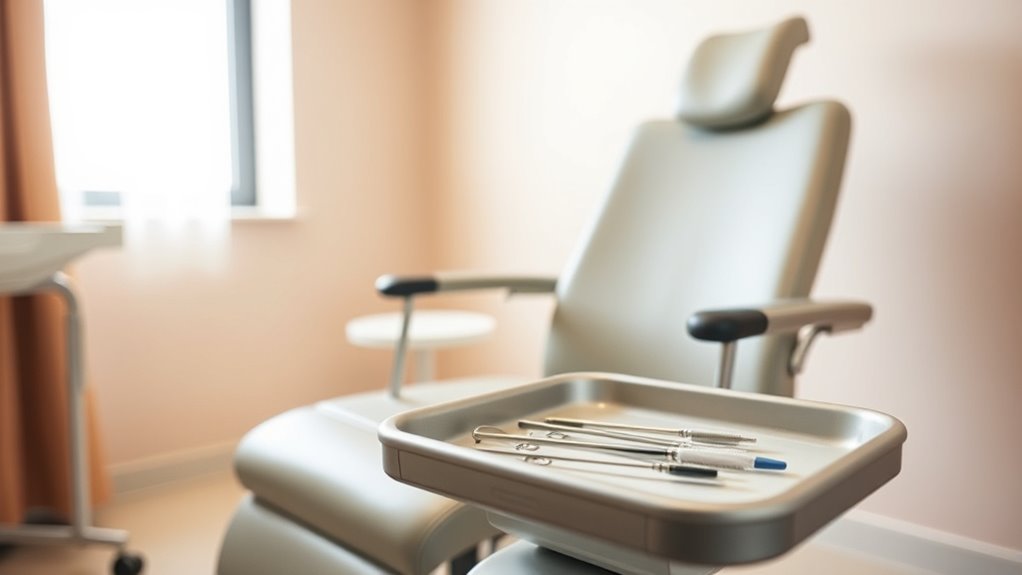
Although the Pap smear may seem intimidating, understanding the procedure can help ease your concerns. During the exam, your healthcare provider will ask you to lie on an exam table and place your feet in stirrups.
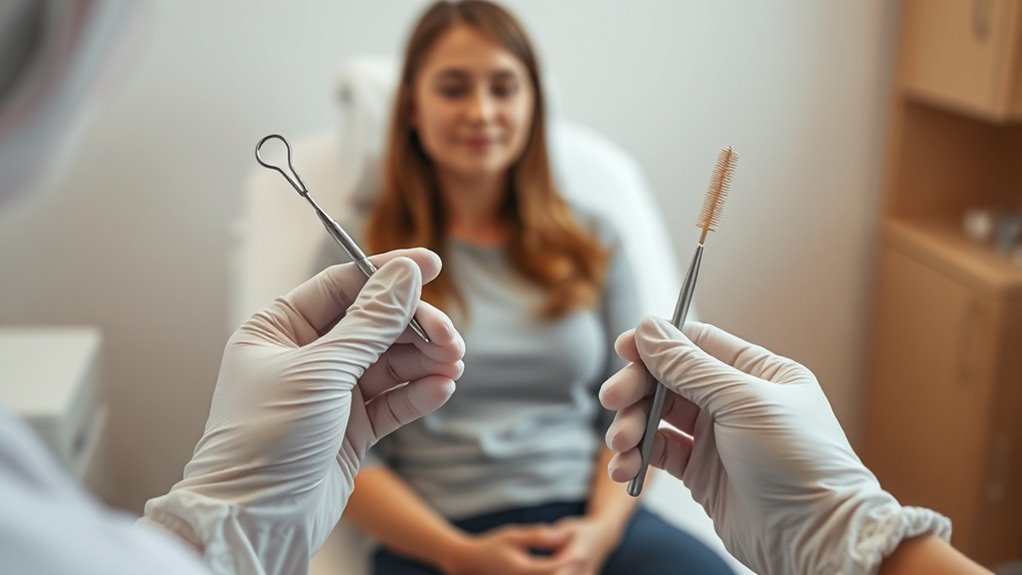
They’ll gently insert a speculum into your vagina to hold it open, allowing access to your cervix. Using a small brush or spatula, they’ll collect cells from the cervix’s surface.
This quick process usually takes just a few minutes. The samples are then sent to a lab to check for abnormal or precancerous cells.
Knowing what to expect helps you feel more in control, and remember, your provider is trained to make this as comfortable as possible while ensuring accurate results for your health.
Common Sensations Experienced During a Pap Smear
While the Pap smear is usually quick, you might feel a variety of sensations during the procedure. Most women report mild discomfort rather than pain.
You may notice pressure when the speculum is inserted, a scraping feeling as cells are collected, or brief cramping. These sensations typically last only a few seconds.
| Sensation | Description | How It Feels |
|---|---|---|
| Pressure | Speculum opening cervix | Mild, firm |
| Scraping | Cell collection | Ticklish, brief |
| Cramping | Cervical stimulation | Short, sharp |
Factors That Can Influence Discomfort Levels

Because everyone’s body reacts differently, several factors can influence how much discomfort you feel during a Pap smear. Your pain tolerance plays a big role; if you’re generally sensitive, you might notice more discomfort.
The timing of your test matters—having a Pap smear during your menstrual period or when you have vaginal infections can increase sensitivity. Your anatomy also affects the experience; if you have a narrow vaginal canal or conditions like vaginal dryness, the speculum insertion might hurt more.
Stress and anxiety can heighten your perception of pain, too. Additionally, previous traumatic experiences or pelvic health issues may make the exam more uncomfortable.
Understanding these factors helps you anticipate your experience better without adding unnecessary worry. It’s all about knowing what to expect so you can feel more prepared.
Tips for Reducing Pain and Anxiety Before the Test
If you want to minimize pain and anxiety during your Pap smear, there are simple steps you can take beforehand. Preparing mentally and physically can make the experience much smoother.
Try deep breathing exercises to calm your nerves and avoid caffeine or heavy meals right before the appointment. Wearing comfortable clothing helps you relax, and communicating openly with your healthcare provider about your concerns can ease tension.
| Tip | Why It Helps |
|---|---|
| Practice deep breathing | Reduces anxiety and muscle tension |
| Avoid caffeine | Prevents increased sensitivity |
| Wear loose clothing | Enhances comfort during exam |
| Talk to your provider | Builds trust and reduces fear |
Taking these steps can considerably reduce discomfort and help you feel more in control during your Pap smear. Just a little prep goes a long way!
What to Expect After the Pap Smear
After your Pap smear, you might notice some light spotting or mild cramping, which is completely normal and usually goes away quickly. You can go about your day as usual.
But it’s a good idea to avoid using tampons, douching, or having intercourse for at least 24 hours to let your cervix settle. If you feel any discomfort, over-the-counter pain relievers like ibuprofen can help.
Your healthcare provider will tell you when to expect your results, usually within a few weeks. And remember, slight spotting doesn’t mean something’s wrong; it’s just your body’s way of responding to the procedure.
Try to stay hydrated and rest if you feel any mild discomfort. That’ll help you feel better faster.
When to Contact Your Healthcare Provider About Pain
If you notice sharp or unusual pain after your Pap smear, don’t ignore it.
Persistent discomfort lasting more than a couple of days is a sign to reach out to your healthcare provider.
Knowing when to seek help can prevent complications and give you peace of mind.
Recognizing Abnormal Pain
While some discomfort during a Pap smear is normal, you should pay close attention to any pain that feels sharp, severe, or lasts long after the procedure. Recognizing abnormal pain early helps you avoid complications.
If you notice any of the following symptoms, it’s important to contact your healthcare provider promptly.
| Symptom | Description | Action Needed |
|---|---|---|
| Sharp pelvic pain | Sudden, intense pain | Seek medical advice |
| Heavy bleeding | More than light spotting | Contact provider immediately |
| Fever or chills | Signs of infection | Call your doctor |
| Persistent cramping | Lasts several hours or worsens | Report to healthcare |
| Unusual discharge | Foul-smelling or colored | Inform your provider |
Don’t hesitate to reach out if you’re unsure about your symptoms. It’s always better to be safe and get checked out.
Persistent Discomfort Duration
Though mild discomfort during a Pap smear usually fades quickly, you should contact your healthcare provider if pain persists beyond a day or worsens over time. It’s normal to feel slight cramping or tenderness right after the test, but this should improve within a few hours.
If you notice sharp, intense pain or if the discomfort lingers more than 24 hours, don’t ignore it. Persistent pain might indicate an infection, irritation, or an underlying issue needing medical attention.
Keep track of your symptoms, including any unusual bleeding or swelling, and report these when you reach out. Staying aware of how long discomfort lasts helps you protect your health and ensures you get timely care if something isn’t right.
When to Seek Help
Whenever you experience pain that feels unusual or worsens after a Pap smear, you should contact your healthcare provider promptly.
If the pain lasts more than a couple of days, becomes severe, or is accompanied by heavy bleeding, fever, or foul-smelling discharge, don’t hesitate to seek medical advice. These symptoms might indicate an infection or other complications requiring treatment.
Also, if you have a history of cervical issues or have experienced extreme discomfort during previous Pap smears, informing your provider can help tailor your care.
Remember, your healthcare team is there to ensure your safety and comfort. Prompt communication helps address any problems early and keeps your reproductive health on track.
Never neglect persistent or intense pain following the procedure.
Conclusion
While Pap smears might cause mild discomfort, about 70% of people report only slight or no pain at all. By preparing yourself mentally and physically, you can minimize any unease and make the experience smoother.
Remember, this quick test plays a vital role in detecting cervical changes early. So, don’t let fear hold you back—knowing what to expect and how to prepare can make all the difference in feeling more comfortable during your Pap smear.
If you’re wondering, “Do Pap smears hurt?” the answer is usually no or just a little. Taking steps like scheduling your appointment when you’re not on your period, wearing comfortable clothing, and practicing deep breathing can help ease any tension.
Ultimately, understanding the process and preparing ahead helps reduce discomfort. Your health is important, and a Pap smear is a simple but essential screening tool to keep you informed about your cervical health.