How You Get a Pap During Your Period Step by Step
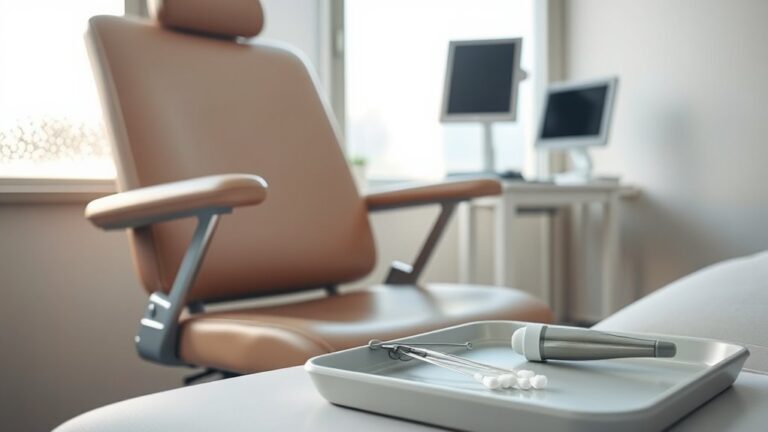
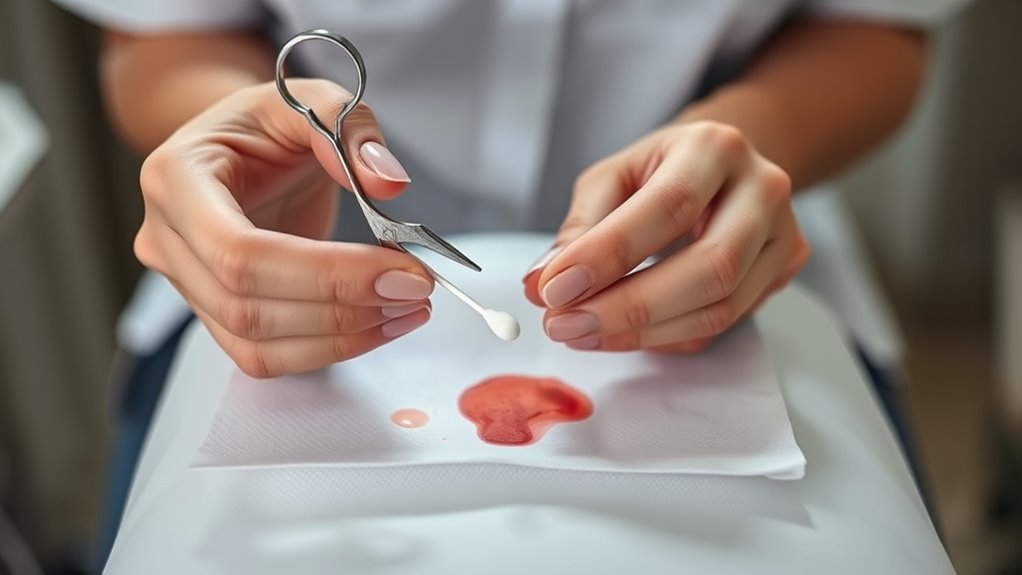
If you get a pap smear during your period, your provider will gently insert a speculum to view your cervix, even if there’s some blood present. They’ll carefully collect cells with a brush or spatula, aiming to avoid blood contamination as much as possible.
You might feel slight pressure or notice some spotting afterward, which is totally normal.
Though blood can sometimes affect how clear the sample is, the test can still be done safely with the right technique.
Keep reading to understand preparation tips and what to expect next during your pap smear appointment.
When to Schedule Your Pap Smear During Your Period
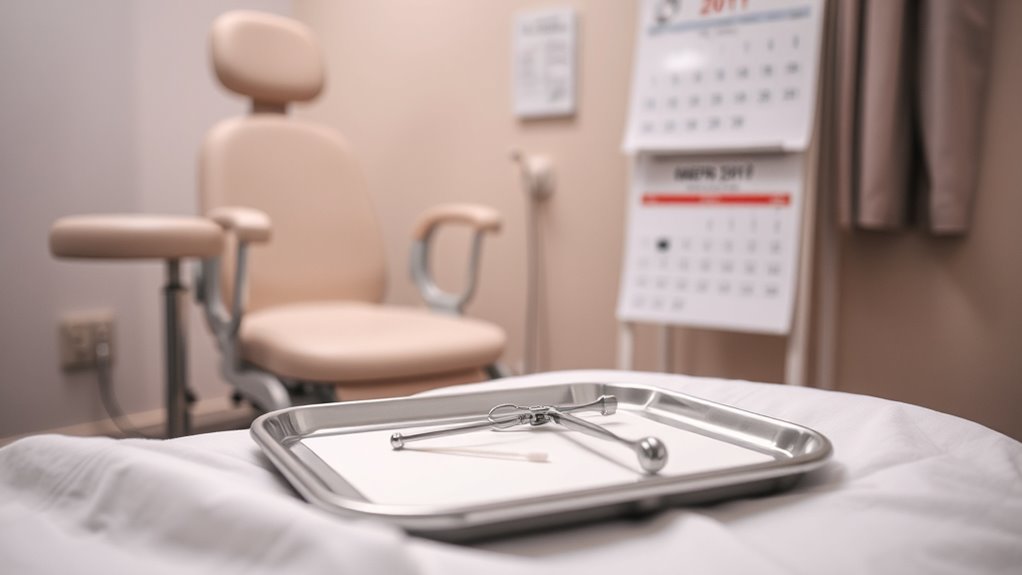
Although it’s possible to get a Pap smear during your period, many doctors recommend scheduling it when you’re not menstruating to guarantee the most accurate results. Blood and menstrual flow can interfere with the sample, making it harder for your healthcare provider to analyze cervical cells clearly.
Ideally, you should plan your Pap smear for at least five days after your period ends but before ovulation. This timing reduces the chance of contamination and increases the likelihood of a clean sample.
However, if your period is irregular, or you need the test urgently, your doctor might still perform it during menstruation. Ultimately, discussing your cycle and preferences with your healthcare provider helps you find the best time for your Pap smear without compromising accuracy.
Preparing Yourself Before the Appointment
Before your appointment, you’ll want to take a few simple steps to guarantee the Pap smear goes smoothly and yields accurate results. Preparing yourself mentally and physically can ease any anxiety and make the process more comfortable.
Here’s how to get ready:
- Avoid using tampons, douches, or vaginal medications 24-48 hours before your appointment. It’s best to keep things natural during that time.
- Schedule your appointment during a lighter flow day if possible. This can help make the test a bit easier.
- Wear comfortable clothing for easy access during the exam. You’ll appreciate being comfortable.
- Bring a sanitary pad to use after the procedure. It’s handy to have one just in case.
- Stay hydrated and try to relax—deep breaths help calm nerves. Taking a moment to breathe can really make a difference.
What to Expect During the Pap Smear Procedure
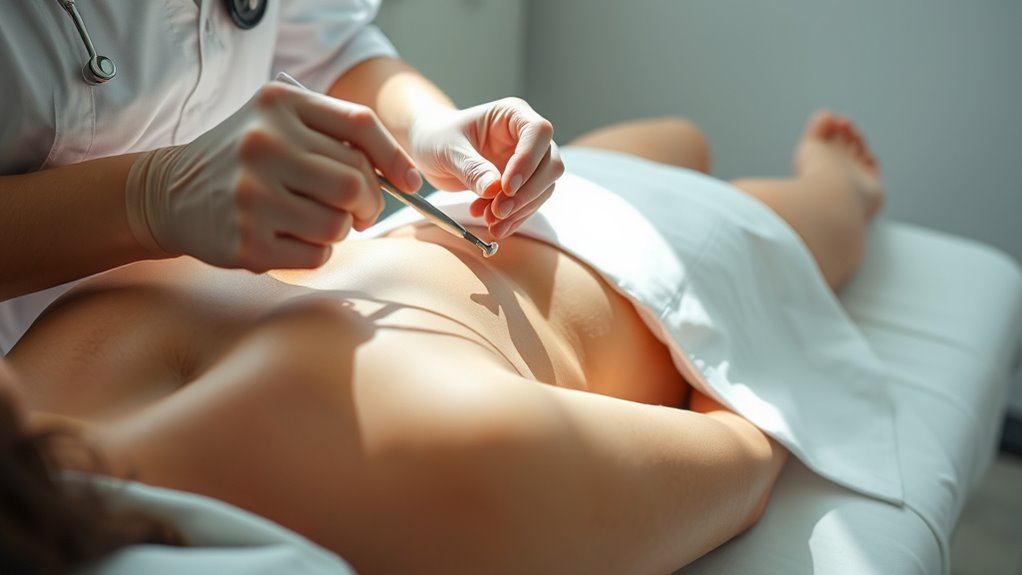
When you arrive for your Pap smear, your healthcare provider will explain each step to help you feel comfortable. The procedure involves a gentle exam to collect cells from your cervix, even if you’re on your period.
Afterward, they’ll share simple tips to care for yourself and what to watch for. It’s pretty straightforward, and they’ll make sure you understand everything along the way.
Preparing for the Exam
Since getting a Pap smear during your period might feel uncomfortable, knowing what to expect can help you stay calm and prepared. Before your exam, you’ll want to follow some simple steps to make the process smoother.
Your healthcare provider will guide you, but being ready helps ease any anxiety.
Here’s what you can do to prepare:
- Schedule your appointment and inform the clinic you’re on your period
- Wear comfortable clothing for easy access
- Avoid using vaginal creams, douches, or tampons before the test
- Bring a sanitary pad or menstrual cup for after the exam
- Relax and breathe deeply to help reduce discomfort
Procedure Steps Explained
Although having your period during a Pap smear might seem tricky, your healthcare provider will carefully perform the steps to guarantee accurate results and your comfort.
First, you’ll lie back and place your feet in the stirrups. The provider will gently insert a speculum to open your vaginal walls, allowing a clear view of your cervix. You might feel slight pressure but no pain.
Next, they’ll use a small brush or spatula to collect cells from your cervix’s surface. If blood is present, the provider will be cautious to avoid contamination and ensure enough cells are gathered.
The sample gets sent to a lab for analysis. Throughout, your provider will communicate clearly to keep you relaxed and informed. The entire process usually takes just a few minutes.
Post-Exam Care Tips
Even if you feel fine right after your Pap smear, you might notice some light spotting or mild cramping. This is totally normal and usually goes away quickly.
To keep comfortable and help things heal, here are some simple post-exam care tips for you:
- Wear a panty liner to handle any spotting.
- Avoid using tampons or douching for at least 24 to 48 hours.
- Try to skip sexual intercourse for a day or two to avoid irritation.
- If you get cramping, over-the-counter pain relievers can help.
- Also, watch out for heavy bleeding, severe pain, or unusual discharge. If any of these happen, be sure to contact your healthcare provider.
How the Presence of Blood May Affect the Test
When blood is present during a Pap test, it can sometimes make it harder for your healthcare provider to get a clear sample of cervical cells. Blood may mix with the cells, potentially obscuring abnormal cells or making the sample less adequate for accurate analysis.
This could lead to inconclusive results or the need for a repeat test. Your provider might use special techniques or tools to minimize blood interference, but the presence of bleeding can still affect the test’s clarity.
Despite this, Pap tests during your period are generally reliable, and your provider will assess whether the sample is sufficient. If not, they may recommend scheduling another test once your period ends to ensure the most accurate results.
Tips for Comfort and Hygiene During Your Visit
To stay comfortable and maintain hygiene during your Pap test, you should wear breathable, loose-fitting clothing. Also, bring a fresh pad or tampon for afterward. This helps you feel at ease and manage any spotting post-exam.
Here are some tips to enhance your comfort and hygiene during your visit:
- Use unscented wipes or gentle cleansing wipes before your appointment.
- Avoid douching or using vaginal sprays, as they can affect test accuracy.
- Bring a small bag with essentials like a change of underwear and sanitary products.
- Practice deep breathing to relax your pelvic muscles during the exam.
- And don’t forget to inform your healthcare provider if you experience any discomfort or unusual symptoms.
Following these tips makes your Pap test experience smoother and more hygienic. You’ve got this!
Understanding Your Pap Smear Results After Testing
Although waiting for your Pap smear results can feel nerve-wracking, understanding what the outcomes mean will help you take control of your health.
Your results may come back normal, showing no signs of abnormal cells. That means you can continue regular screenings as advised.
If your results are abnormal, don’t panic—this often indicates minor cell changes that your body might resolve on its own. Your healthcare provider will explain if you need follow-up tests, like a colposcopy, or treatment.
In rare cases, results may show signs of HPV infection or precancerous changes, which require closer monitoring.
Conclusion
Getting a Pap smear during your period might seem tricky, but now you know exactly what to expect and how to prepare. You might wonder—will the blood affect your results? Or how comfortable will you really be?
The answers could change how you feel about scheduling your next test. Don’t let uncertainty hold you back; taking charge of your health is closer than you think.
Ready to take the next step? Remember, having a Pap smear during your period is possible and can still provide accurate results when done correctly. Being informed helps you feel more confident and comfortable during the process. So, don’t hesitate to book your appointment and prioritize your cervical health today. Your peace of mind and wellbeing are worth it!