How to Tell if Wax Paper and Butter Paper Are the Same
You might think wax paper and butter paper are the same, but they actually have some key differences. Both are popular kitchen papers, but they differ in coating, appearance, and heat resistance.
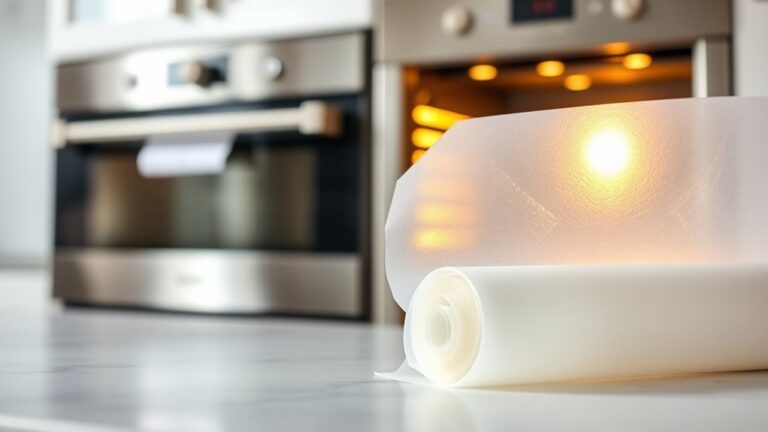
Wax paper has a shiny, slick surface coated with paraffin wax, which makes it moisture-resistant. However, it’s not safe for use in the oven because the wax can melt or even catch fire.
Butter paper, on the other hand, has a matte finish and is coated with a greaseproof material. This means it can handle moderate heat without any problems.
You can tell these two apart by how they feel and look—wax paper is slick and shiny while butter paper feels more like regular paper but resists grease better.
Keep exploring to discover their best kitchen uses and tips on how to select the right one for your cooking needs.
What Is Wax Paper?
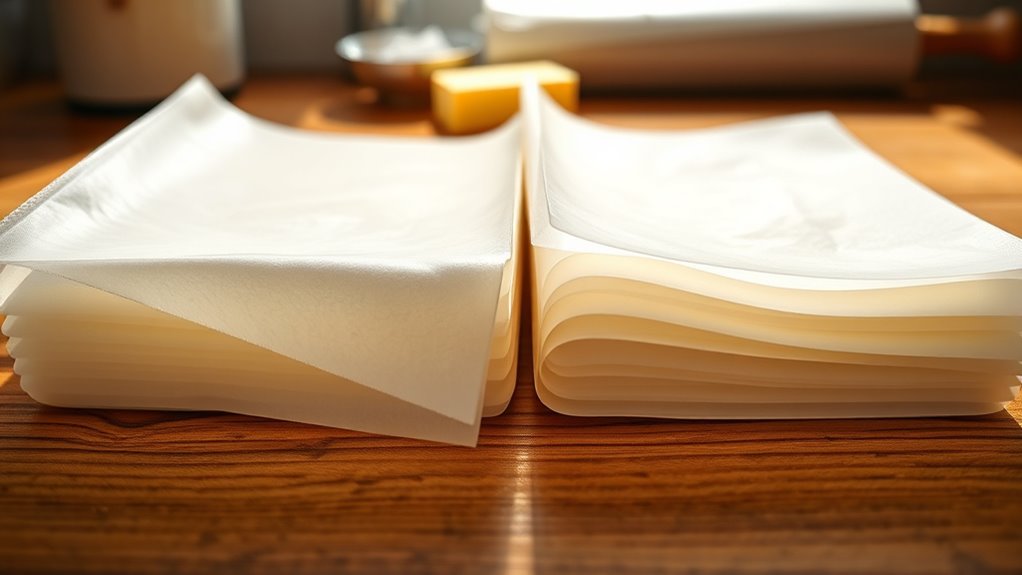
What makes wax paper unique? You’ll find it’s a type of paper coated with a thin layer of wax, usually paraffin. This coating creates a moisture-resistant, non-stick surface, making it perfect for wrapping food or lining baking sheets.
When you use wax paper, it prevents food from sticking and keeps moisture out. But it’s important to remember it’s not heat-resistant. You shouldn’t put wax paper in the oven because the wax can melt or even catch fire.
Instead, use it for tasks like covering dough during rising or wrapping sandwiches. Its versatility in the kitchen comes from its ability to resist moisture without sticking. Just always keep it away from direct heat or open flames to avoid problems.
What Is Butter Paper?
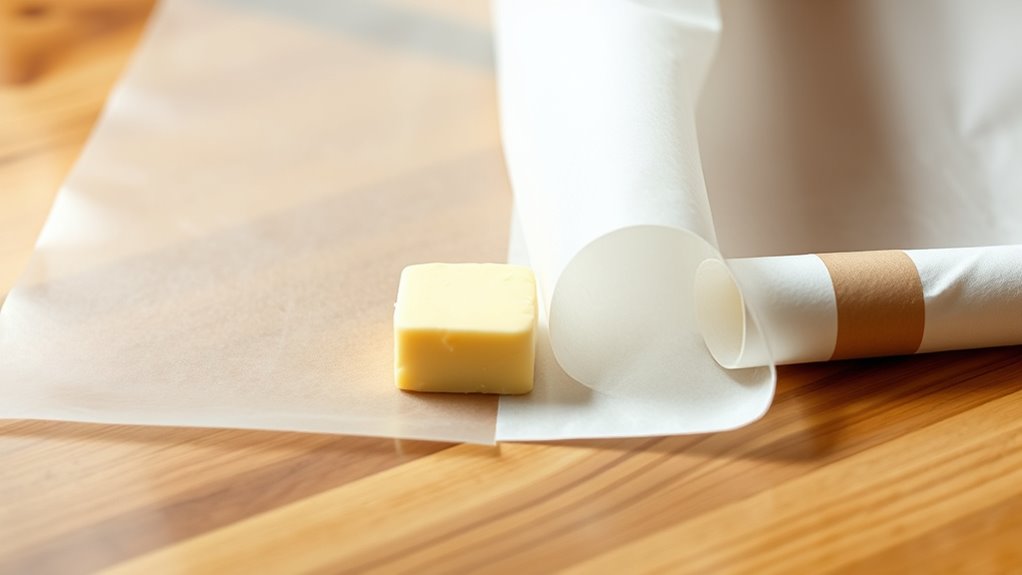
When you hear about butter paper, you might wonder what makes it different from other kitchen papers. It’s a smooth, semi-translucent paper made from vegetable parchment that’s great for wrapping and baking.
You’ll find it handy for tasks like lining baking sheets or storing food without sticking. It’s pretty useful in the kitchen, honestly!
Definition and Purpose
Butter paper serves as a versatile kitchen essential designed to prevent food from sticking during cooking or storage. You’ll find it especially handy when baking or wrapping foods, as it creates a non-stick barrier without affecting flavor.
Its purpose is to make your cooking and storage process smoother, cleaner, and more efficient. When you use butter paper, you avoid messy cleanups and preserve the texture of your food.
Here’s what butter paper helps you do:
- Line baking trays to prevent sticking and burning
- Wrap sandwiches or baked goods for freshness
- Separate layers of sticky or delicate items
- Store oily or moist foods without leakage
Understanding its role helps you decide when butter paper is the best choice in your kitchen. It really makes a difference!
Material Composition
To understand how butter paper works so effectively in the kitchen, you need to look at what it’s made of. Butter paper is typically crafted from thin, semi-translucent paper that’s coated with a light layer of greaseproof material.
This coating gives it resistance to moisture and grease, making it ideal for wrapping buttery or oily foods. Unlike wax paper, butter paper doesn’t have a wax coating; instead, it relies on this special grease-resistant treatment to prevent sticking and sogginess.
When you handle butter paper, you’ll notice it’s more flexible and less glossy than wax paper. This material composition allows it to breathe slightly, which can be helpful in some culinary tasks where you want to keep food fresh without trapping too much moisture.
Common Uses
Why choose butter paper for your kitchen tasks? Butter paper is a versatile tool that helps you handle food with ease. Its grease-resistant and non-stick surface makes it perfect for various cooking and baking needs.
You’ll find it especially handy when you want to prevent food from sticking or keep your workspace clean. Here are some common uses:
- Wrapping butter or cheese to maintain freshness
- Lining baking trays to prevent sticking and simplify cleanup
- Separating layers of baked goods or dough for easy storage
- Wrapping sandwiches or snacks for a grease-free, breathable package
Using butter paper ensures your food stays fresh and your kitchen stays tidy without unwanted messes or sticking problems. It’s a simple, effective choice for everyday cooking.
Key Differences Between Wax Paper and Butter Paper
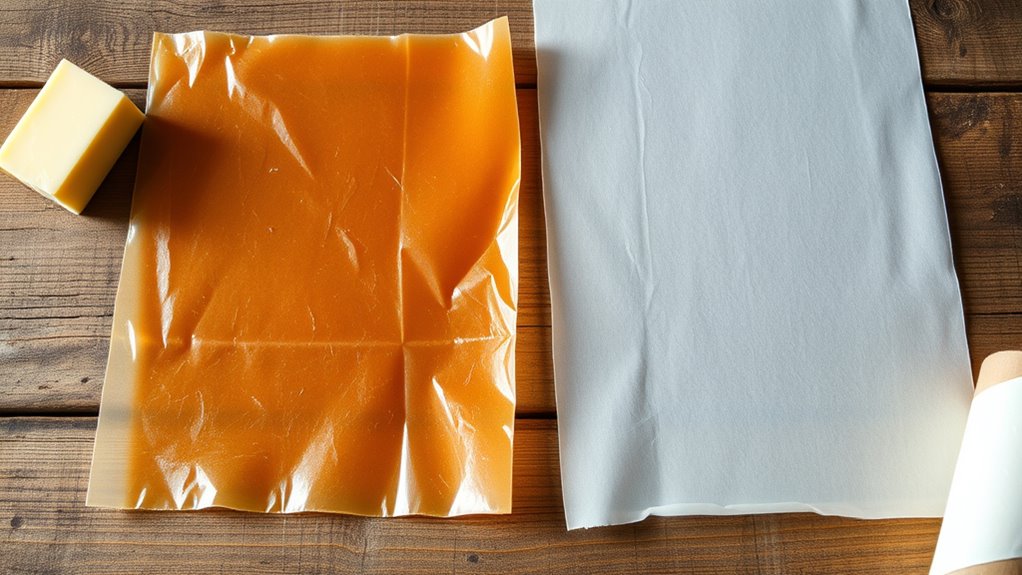
How can you quickly tell wax paper and butter paper apart? The key lies in their coating, texture, and usage. Wax paper is coated with a thin layer of wax, making it non-stick and moisture-resistant.
Butter paper, on the other hand, is usually greaseproof without a wax coating and has a slightly translucent look. These differences affect how you use each in the kitchen.
| Feature | Wax Paper | Butter Paper |
|---|---|---|
| Coating | Wax coating | Greaseproof, no wax |
| Appearance | Opaque, slightly shiny | Translucent |
| Stickiness | Non-stick | Slightly sticky |
| Heat Resistance | Not heat resistant | Can handle moderate heat |
| Common Use | Wrapping food, non-heat tasks | Baking, lining trays |
How to Identify Wax Paper and Butter Paper at Home
You can tell wax paper and butter paper apart by checking their texture and coating—wax paper feels slick, while butter paper is more matte.
Try holding them up to the light to see differences in transparency and flexibility.
Finally, test their heat resistance carefully; wax paper tends to melt or smoke under heat, but butter paper holds up better.
Texture and Coating Differences
Although wax paper and butter paper might look similar at first glance, their textures and coatings reveal key differences you can easily spot at home.
Wax paper has a smooth, slightly glossy surface thanks to its thin layer of paraffin wax, which makes it water-resistant. Butter paper, on the other hand, feels more matte and less slick because it’s coated with a thin layer of food-grade grease or silicone.
This coating is designed to prevent sticking, but it’s not waterproof like wax paper.
Here’s how you can tell them apart by touch and coating:
- Wax paper feels slick and slightly stiff.
- Butter paper is softer with a subtle, greasy texture.
- Wax paper’s coating repels moisture noticeably.
- Butter paper is more absorbent and flexible.
These tactile clues help you identify each paper quickly. Easy, right?
Transparency and Flexibility Test
Where can you spot the differences in transparency and flexibility between wax paper and butter paper? Start by holding each sheet up to the light. Wax paper usually appears more translucent because of its paraffin wax coating, letting more light pass through.
Butter paper tends to be slightly more opaque due to its density and different coating. Next, test flexibility by gently folding or crumpling a small piece.
Wax paper feels more pliable and smooth, bending easily without cracking. Butter paper, on the other hand, might feel a bit stiffer and less elastic; it can crease more noticeably.
Heat Resistance Comparison
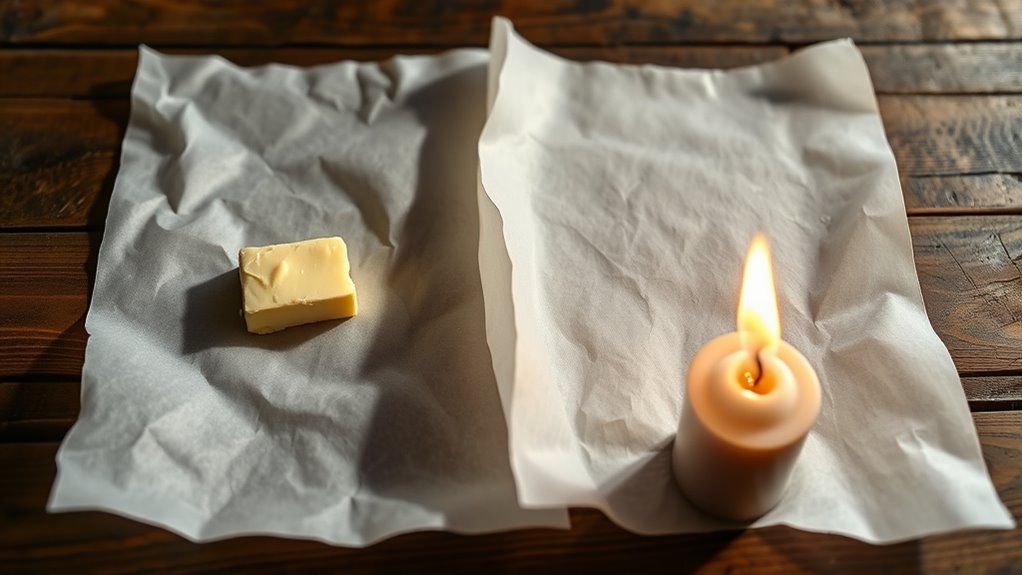
When you expose wax paper and butter paper to heat, their differences become clear quickly. Wax paper has a thin layer of wax that melts and smokes under high heat, making it unsuitable for oven use.
Butter paper, on the other hand, is designed to withstand moderate heat without melting or catching fire, thanks to its grease-resistant coating.
Here’s what you’ll notice:
- Wax paper will start to soften and may produce a waxy smell when near heat.
- Butter paper remains stable and doesn’t melt or stick.
- Wax paper can ignite if exposed directly to flames.
- Butter paper handles oven temperatures up to about 425°F (220°C) safely.
Knowing this helps you avoid kitchen mishaps and choose the right paper for your cooking needs. It’s pretty handy info to keep in mind when you’re cooking.
Common Uses for Wax Paper and Butter Paper
Since you often need reliable options for food preparation and storage, understanding the common uses of wax paper and butter paper can help you choose the right one.
Wax paper is great for wrapping food and lining surfaces, while butter paper shines in baking and pastry work. Knowing these differences lets you work confidently in the kitchen.
| Wax Paper Uses | Butter Paper Uses |
|---|---|
| Wrapping sandwiches | Lining baking trays |
| Covering food for storage | Separating baked goods |
| Preventing sticking | Rolling out dough |
| Protecting countertops | Wrapping delicate pastries |
Choose based on your task, and you’ll avoid mishaps and enjoy smoother food prep. It’s really about picking the right paper for the job!
Tips for Choosing the Right Paper for Your Kitchen Needs
Although wax paper and butter paper may seem similar, choosing the right one depends on your specific kitchen tasks and needs. You want to contemplate how each type reacts to heat and moisture before making a decision.
Wax paper is great for wrapping and storing food thanks to its moisture resistance but isn’t safe for oven use. Butter paper, often coated with a thin layer of butter or grease, can handle moderate heat and is ideal for baking.
Keep these tips in mind when selecting your paper:
- Use wax paper for cold food prep and storage to prevent sticking.
- Choose butter paper for lining baking trays and wrapping warm baked goods.
- Avoid wax paper in direct oven heat to prevent melting.
- Pick paper based on whether you need moisture barrier or heat resistance.
Conclusion
Now that you know the key differences between wax paper and butter paper, you’ll choose the right one with confidence.
Did you know that over 70% of home cooks prefer wax paper for wrapping foods because of its moisture resistance? Remember, wax paper is great for non-heat tasks, while butter paper handles grease better.
Keeping these tips in mind will make your kitchen prep smoother and help you avoid common mistakes. So, next time you’re wondering how to tell if wax paper and butter paper are the same, think about their uses and properties.
Choosing the right paper can make all the difference in cooking and food storage. Whether it’s moisture resistance or grease handling, knowing these differences helps you pick the perfect option every time.