10 Essential Tips to Prepare for a Pap Smear
To prepare for a Pap smear, it’s best to schedule your appointment 10-20 days after your period starts. Avoid getting tested during your period to ensure accurate results.
Also, skip vaginal creams, douches, and sexual activity for 24-48 hours before your appointment. These can affect the test outcome and make it harder to get clear results.
Wear comfortable clothes to your visit, and don’t forget to bring any relevant medical records. Feeling at ease is important, so try deep breathing to stay relaxed.
If it helps, consider bringing a support person with you for comfort. Be open with your provider about any symptoms you’re experiencing.
Finally, plan for some light spotting after the test—it’s normal and usually nothing to worry about.
Following these steps will help you feel fully ready and confident for your Pap smear appointment.
Schedule Your Appointment at the Right Time
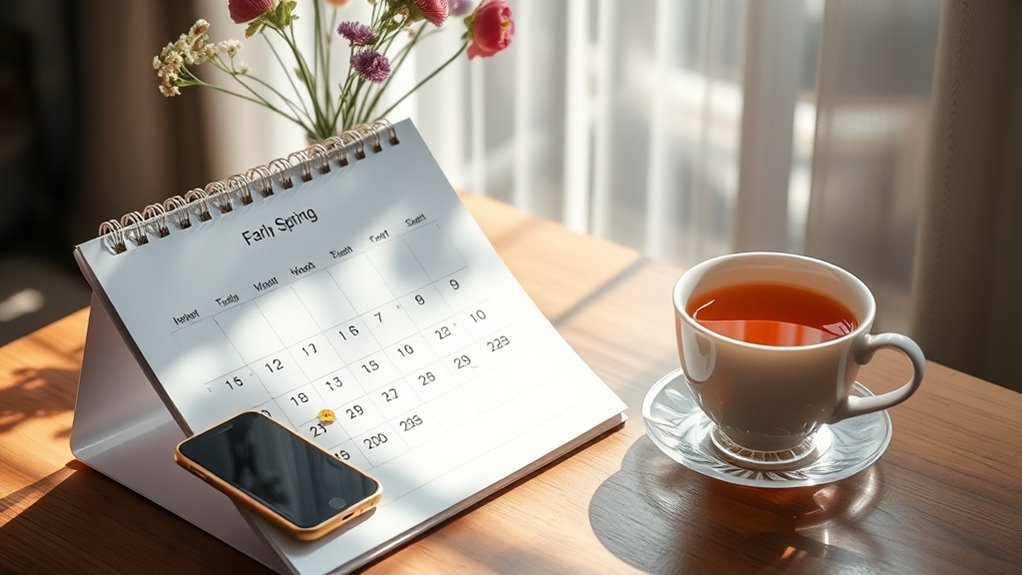
Although you can schedule a Pap smear at any time during your menstrual cycle, aiming for a date when you’re not on your period will give the clearest results. Blood and menstrual flow can sometimes interfere with the sample, so picking a time when your cervix is free from these factors helps guarantee accuracy.
Ideally, plan your appointment between 10 and 20 days after your period starts. This window offers the best chance for a clean sample. If your cycle is irregular, try to choose a day when you’re least likely to be menstruating.
Scheduling in advance also lets you avoid any last-minute changes. By selecting the right timing, you help your healthcare provider get the most reliable information about your cervical health.
Avoid Interference From Vaginal Products
Choosing the right time for your Pap smear sets the stage for accurate results. But what you use inside your body can also influence the test.
Avoid using vaginal creams, douches, powders, or medications for at least 48 hours before your appointment. These products can alter the cervical cells and lead to inconclusive or false results.
Here’s a quick guide on what to avoid:
| Product Type | Examples | Recommended Wait Time |
|---|---|---|
| Vaginal Creams | Antifungal, hormone creams | 48 hours |
| Douches | Cleansing solutions | 48 hours |
| Powders & Sprays | Talcum powder, deodorants | 48 hours |
Stick to this to ensure your Pap smear accurately reflects your health. It really helps get the clearest picture possible!
Refrain From Sexual Activity Before the Test
Since sexual activity can introduce fluids and irritants that affect your cervical cells, it’s best to avoid any sexual contact for at least 24 to 48 hours before your Pap smear. This helps guarantee the accuracy of your test results and prevents irritation or inflammation that might interfere with the exam.
Avoid sexual contact 24 to 48 hours before a Pap smear to ensure accurate results and prevent cervical irritation.
To prepare effectively, follow these steps:
- Plan to abstain from intercourse and any genital contact during this time frame.
- Avoid using condoms or lubricants, as residues can alter cell samples.
- Inform your partner so they understand the importance of this short break.
- If you accidentally engage in sexual activity, reschedule your appointment to maintain test accuracy.
Taking these precautions helps provide your healthcare provider with the clearest picture of your cervical health.
Communicate Any Symptoms or Concerns
Before your Pap smear, make sure you tell your healthcare provider about any symptoms or concerns you have, such as unusual bleeding, pain, or discharge. Sharing this information helps your provider understand your health better and determines if any additional tests are necessary.
Don’t hesitate to mention changes in your menstrual cycle, pelvic discomfort, or anything else unusual you’ve noticed. Being open ensures your provider can tailor the exam to your needs and address potential issues promptly.
If you have anxiety or questions about the procedure, speak up. Clear communication builds trust and makes the experience smoother.
Wear Comfortable Clothing
Although the exam itself is quick, wearing comfortable clothing can make the entire visit easier and less stressful for you. Choosing the right outfit helps you feel relaxed and ready.
Here’s how to dress smartly for your Pap smear: Opt for loose-fitting bottoms like skirts or pants with elastic waistbands for easy undressing. Pick a top you can easily lift or remove without hassle.
Avoid complicated layers or tight clothing that slows you down. Wear underwear that’s easy to take off or consider skipping it during the appointment. It really helps to keep things simple!
Prepare Your Medical History
Before your appointment, gather any previous test results to share with your doctor. Make a note of all current medications you’re taking, as they can affect the exam.
Also, keep track of your menstrual cycle details to provide accurate information during the visit. It really helps your doctor get the full picture.
Gather Previous Test Results
When you gather your previous test results, you’ll give your healthcare provider a clearer picture of your medical history. This helps in identifying any past abnormalities and deciding the best course for your Pap smear.
Here’s how to prepare:
- Collect all recent Pap smear reports, including dates and outcomes.
- Include any biopsy or HPV test results related to your cervical health.
- Organize documents chronologically to make the review easier.
- Bring these records to your appointment for quick reference.
Having this information on hand ensures your provider can compare new results with past data, improving accuracy and care quality.
Don’t worry if you don’t have all documents; your clinic can often retrieve them with your permission.
Note Current Medications
Along with your previous test results, noting the medications you currently take helps your healthcare provider get a complete view of your medical history. Be sure to list all prescription drugs, over-the-counter medicines, vitamins, and supplements you use regularly.
Some medications might affect your Pap smear or the way your body responds during the exam. For instance, certain hormonal treatments or immunosuppressants can influence cervical cell changes.
Providing this information upfront allows your provider to interpret your results accurately and offer the best care. If you’re unsure about a medication’s name or dosage, bring the bottles or a written list to your appointment.
Being thorough with your medication history ensures your provider has all the necessary details to conduct a safe and effective Pap smear. It’s a simple step that makes a big difference!
Record Menstrual Cycle Details
Because your menstrual cycle can impact the timing and results of your Pap smear, you should record its details precisely. Tracking your cycle helps your healthcare provider schedule the test at the best time, usually when you’re not menstruating, to avoid inaccurate results.
Here’s what to note:
- The first day of your last period
- The length of your typical cycle
- Any irregularities or missed periods
- Symptoms like heavy bleeding or pain
Keep this information handy for your appointment. It gives your provider a clear picture of your reproductive health and ensures the Pap smear is as effective as possible.
Being prepared with accurate menstrual details helps avoid rescheduling and makes your visit smoother. It’s a simple step that really makes a difference!
Relax and Practice Deep Breathing
You can ease tension by practicing deep breathing before your Pap smear. Taking slow, deliberate breaths helps calm your mind and relax your muscles.
Try inhaling deeply through your nose, holding for a few seconds, and exhaling slowly. This can help you stay comfortable during the exam.
Benefits of Deep Breathing
When you practice deep breathing before your pap smear, you’ll calm your nerves and reduce tension in your body. This simple technique helps prepare you mentally and physically, making the experience more comfortable.
Here are four key benefits:
- Lowers anxiety by activating your parasympathetic nervous system.
- Reduces muscle tightness, easing discomfort during the procedure.
- Improves oxygen flow, helping you feel more relaxed and focused.
- Enhances your ability to stay calm, which can speed up the appointment.
Give it a try—you might be surprised at how much it helps!
Techniques to Relax
Although pap smears can feel intimidating, practicing relaxation techniques like deep breathing can make a big difference in how comfortable you feel.
Start by finding a quiet place, then inhale slowly through your nose, hold for a few seconds, and exhale gently through your mouth. Repeat this several times to calm your mind and reduce tension.
Here are simple techniques to help you relax:
| Technique | How to Practice |
|---|---|
| Deep Breathing | Inhale deeply, hold, exhale slowly |
| Progressive Muscle Relaxation | Tense and release muscle groups |
| Visualization | Imagine a peaceful, safe place |
Using these can ease anxiety before your pap smear and help you stay calm and focused.
Give them a try—you might find it’s easier than you thought to relax!
Bring a Support Person if Needed
Since a Pap smear can sometimes cause anxiety or discomfort, bringing a support person can help you feel more at ease during the appointment. Having someone you trust nearby offers emotional support and reassurance, making the experience less stressful.
Here are some tips for bringing a support person:
- Choose someone who respects your privacy and can offer calm encouragement.
- Inform your healthcare provider beforehand if you want the person present during the exam.
- Ask your support person to help with questions or to remind you of important details afterward.
- Make sure your support person understands their role is to support, not interfere with the medical process.
This small step can really boost your confidence and comfort during the visit. It’s all about making the experience as smooth as possible for you.
Understand What the Test Involves
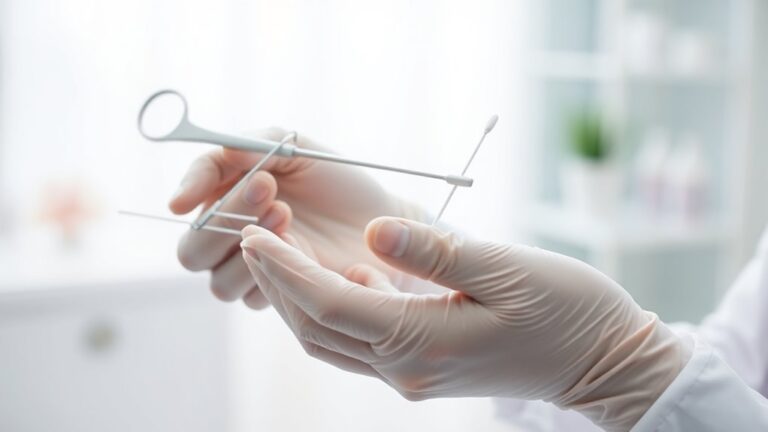
You’ll want to know that a Pap smear screens for cervical changes that could lead to cancer. During the procedure, your healthcare provider will gently collect cells from your cervix using a small brush or spatula.
Afterward, the results will help determine if you need any further testing or treatment. It’s a simple and quick process, but really important for your health.
Purpose of Pap Smear
When you go for a Pap smear, the main goal is to screen for abnormal cells on your cervix that could indicate cervical cancer or other issues. This test helps catch problems early, often before you notice symptoms.
Here’s why it’s important:
- Detect precancerous changes that can be treated before turning into cancer.
- Identify infections or inflammation that might need attention.
- Monitor your cervical health regularly, especially if you’re at higher risk.
- Provide peace of mind by confirming your cervix is healthy or by prompting timely follow-up care.
Understanding the purpose helps you appreciate why this screening is a key part of your routine health care. It’s a proactive step to protect your reproductive health.
Procedure Overview
A Pap smear involves collecting a small sample of cells from your cervix to check for abnormalities. During the test, you’ll lie on an exam table, usually with your feet in stirrups.
Your healthcare provider will gently insert a speculum into your vagina to widen it, giving access to your cervix. Then, they’ll use a small brush or spatula to collect cells from the cervix’s surface.
The process might cause slight discomfort or pressure but shouldn’t be painful. The collected cells are placed on a slide or in a liquid solution and sent to a lab for analysis.
The entire procedure typically takes just a few minutes, and you can resume normal activities immediately afterward. Understanding this helps ease any anxiety before your appointment.
What Results Mean
Many Pap smear results come back normal, indicating no signs of cervical cell abnormalities. If your results are abnormal, don’t panic.
Here’s what you need to know:
- Normal – No unusual cells detected; routine screening continues as scheduled.
- Atypical Cells – Slight changes that may resolve on their own; your doctor might suggest a follow-up test.
- Precancerous Changes – Cells show signs that could lead to cancer; further testing or treatment may be needed.
- Cancerous Cells – Rare but serious; immediate evaluation and treatment are essential.
Understanding these categories helps you stay informed and proactive in your health care. Always discuss your results with your healthcare provider to decide the best next steps.
Plan for After the Appointment
Because your body may react differently after a Pap smear, you should know what to expect and how to care for yourself once the appointment is over. Some mild cramping or spotting is normal, so don’t be alarmed if you notice light bleeding.
Avoid using tampons, douching, or having sexual intercourse for at least 24 to 48 hours to prevent irritation or infection. If you experience severe pain, heavy bleeding, fever, or unusual discharge, contact your healthcare provider immediately.
Also, plan to follow up on your results as instructed, whether that means scheduling another appointment or additional testing. Taking these steps helps guarantee your comfort and health while you wait for your results.
Conclusion
Preparing for your pap smear doesn’t have to be stressful. Even if you’re worried about discomfort, remember that taking deep breaths and wearing comfortable clothes can make a big difference.
By scheduling at the right time and avoiding vaginal products beforehand, you’re setting yourself up for a smooth experience. Communicate openly with your healthcare provider, and don’t hesitate to bring a support person.
You’ve got this—taking these simple steps helps you stay in control and confident. Preparing for a pap smear is all about making the process as easy as possible. Following these essential tips ensures your appointment goes smoothly and reduces any anxiety or discomfort. Remember, being prepared means you can focus on your health with confidence and peace of mind.