
Will a Pap Smear Test for STDs?
A Pap smear won’t test you for most STDs because it mainly checks for cervical cancer and abnormal cells, especially those caused by HPV. It’s designed to spot changes in your cervix that might lead to cancer, not to detect infections.
While it can hint at HPV-related changes, it doesn’t directly detect infections like gonorrhea, chlamydia, or herpes. So, if you’re worried about STDs, a Pap smear isn’t enough.
You’ll need specific tests for those, like swabs, urine samples, or blood work. These tests are made to identify particular infections and give you accurate results.
If you want to understand which tests suit your needs and when to get them, keep exploring the topic further. Knowing what each test does helps you take charge of your health!
Understanding the Purpose of a Pap Smear
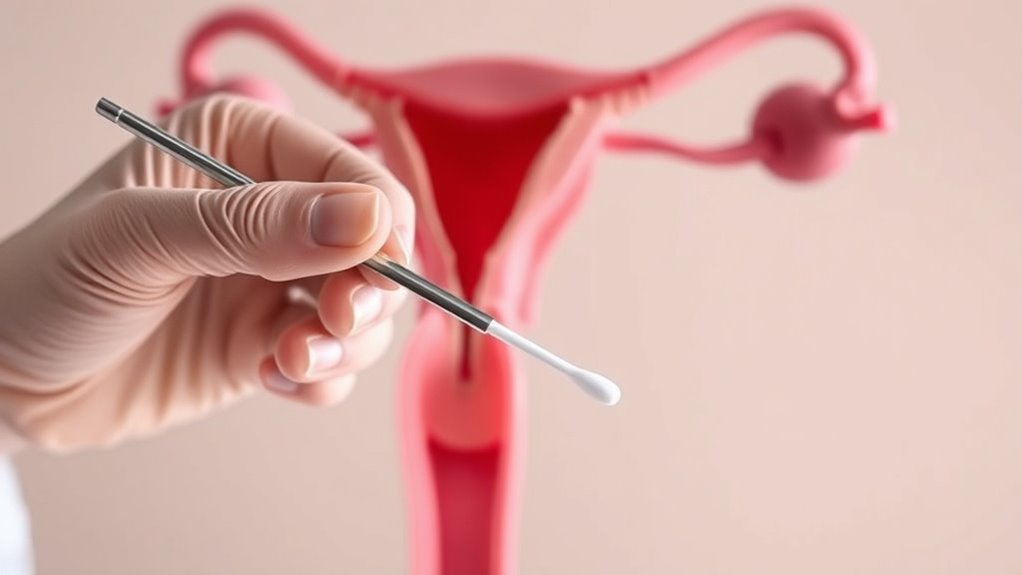
Although many people associate Pap smears solely with cervical cancer screening, the test also plays a crucial role in detecting certain sexually transmitted infections (STDs). When you get a Pap smear, your healthcare provider collects cells from your cervix to look for abnormalities.
This procedure helps identify changes that might lead to cancer if left untreated. Additionally, it can reveal signs of infection or inflammation caused by some STDs.
The Pap smear isn’t designed to diagnose all STDs, but it gives your doctor valuable information about your cervical health. By understanding the purpose of a Pap smear, you can better appreciate why regular screenings are important for both cancer prevention and sexual health monitoring.
Staying proactive helps you maintain your well-being effectively.
What Infections Can a Pap Smear Detect?
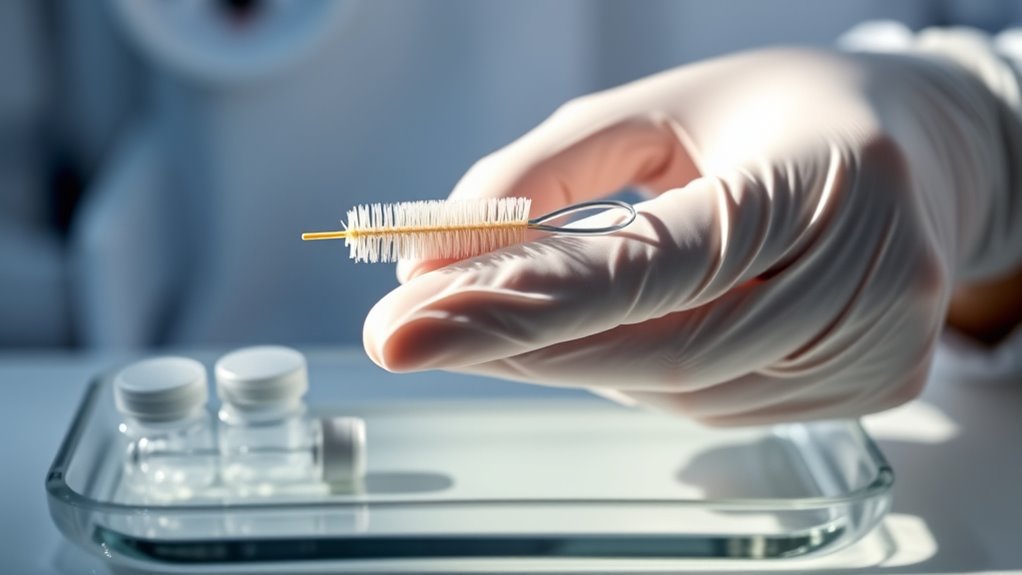
A Pap smear can help detect HPV, which is linked to cervical cancer. But it’s not designed to identify all STDs.
You might also get tested for gonorrhea and chlamydia during the same visit. However, that requires specific lab tests beyond the Pap smear.
It’s important to know the limitations of a Pap smear so you can get the right screenings for your health. Don’t hesitate to ask your healthcare provider about additional tests you might need.
HPV Detection Capabilities
How well can a Pap smear detect HPV infections? A Pap smear primarily screens for abnormal cervical cells caused by high-risk HPV types but doesn’t directly test for the virus itself.
It identifies cellular changes that suggest HPV infection, alerting your doctor to potential issues.
Here’s a quick look at what a Pap smear can and can’t do regarding HPV:
| Detection Aspect | Pap Smear Capability | Notes |
|---|---|---|
| High-risk HPV presence | Indirectly detected | Through abnormal cell changes |
| Low-risk HPV presence | Usually not detected | Less likely to cause changes |
| Direct HPV identification | No | Requires separate HPV test |
Gonorrhea and Chlamydia Testing
Since Pap smears focus on detecting abnormal cervical cells, they don’t directly test for infections like gonorrhea or chlamydia. These bacterial infections require specific tests, usually involving swabs from your cervix or urine samples.
While a Pap smear might occasionally reveal inflammation or changes in cervical cells caused by infections, it can’t reliably identify gonorrhea or chlamydia. If you’re concerned about these STDs, your healthcare provider will order targeted tests to detect them precisely.
Don’t rely on a Pap smear to screen for these infections; make sure to ask for the appropriate tests during your visit. Early detection and treatment are key, so being proactive about testing beyond your Pap smear is essential for your sexual health.
Limitations of Pap Smears
While Pap smears aren’t designed to detect gonorrhea or chlamydia, you might wonder what infections they can actually identify. Primarily, Pap smears screen for abnormal cervical cells caused by human papillomavirus (HPV), a common sexually transmitted infection linked to cervical cancer.
Although Pap tests can indirectly reveal the presence of HPV by spotting cell changes, they don’t diagnose HPV itself or other STDs. You shouldn’t rely on a Pap smear to detect infections like herpes, trichomoniasis, or bacterial vaginosis.
If you’re concerned about STDs, you’ll need specific tests targeting those infections. In short, Pap smears focus on cervical cell health and HPV-related changes, but their ability to detect other STDs is very limited.
How Pap Smears Relate to HPV and Cervical Cancer
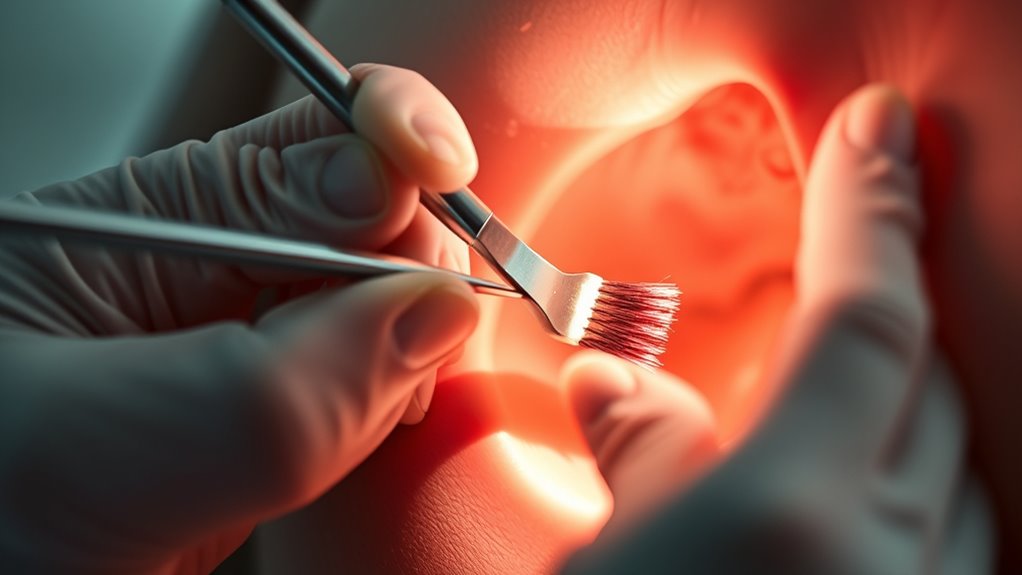
Although you might associate Pap smears primarily with cervical cancer screening, they also play a crucial role in detecting changes caused by the human papillomavirus (HPV), a common sexually transmitted infection.
HPV can lead to abnormal cell growth on your cervix, which Pap smears can identify early. By detecting these cellular changes, your healthcare provider can monitor or treat precancerous conditions before they develop into cervical cancer.
Pap smears detect early cervical cell changes from HPV, enabling treatment before cancer develops.
While the Pap smear itself doesn’t test directly for HPV, it helps flag the presence of abnormal cells that might result from the virus. If your Pap results indicate irregularities, your doctor may recommend further HPV-specific testing to pinpoint the infection.
This process helps protect your cervical health by catching potential risks early. So, even though the test isn’t for HPV itself, it’s still a key part of keeping an eye on your cervical health.
Why Pap Smears Are Not Comprehensive STD Tests
Why can’t a Pap smear detect all sexually transmitted infections? Because it’s designed primarily to screen for cervical cell changes caused by HPV, not to identify a broad range of STDs.
When you get a Pap smear, the lab examines cervical cells under a microscope to spot abnormalities that might lead to cancer. It doesn’t test for bacteria or viruses responsible for other common STDs like chlamydia, gonorrhea, or herpes.
Also, many STDs infect areas that a Pap smear doesn’t sample, such as the urethra or throat. Relying solely on a Pap smear for STD detection can leave many infections undiagnosed.
That’s why you need specific tests tailored to identify different STDs, ensuring you get accurate results and appropriate treatment if needed.
Recommended Tests for Common STDs
Since a Pap smear only detects certain cervical changes, you’ll need specific tests to identify other common STDs accurately.
For chlamydia and gonorrhea, your healthcare provider usually recommends a urine test or a swab from the cervix, vagina, or urethra.
If you’re concerned about syphilis or HIV, blood tests are the most reliable way to check.
Herpes testing often involves a swab from any sores you might have, but blood tests can also detect past infections.
For HPV, while the Pap smear screens for cervical cell changes caused by high-risk strains, an HPV DNA test can identify the virus itself.
Always discuss your sexual history openly with your provider to determine the right combination of tests for you.
When and How to Get Tested for STDs
When should you get tested for STDs? You should consider testing regularly, especially if you’re sexually active with new or multiple partners. Early detection is key to treatment and preventing spread.
Here’s when and how you can get tested:
- After unprotected sex: If you’ve had unprotected intercourse or suspect exposure, get tested immediately and again after the window period.
- Routine screening: Aim for annual testing, or more often if you have higher risk factors.
- If symptoms appear: Unusual discharge, sores, or pain warrant immediate testing.
You can visit your healthcare provider, a sexual health clinic, or use at-home testing kits. Just keep in mind, a Pap smear isn’t designed for STD diagnosis.
Conclusion
While a Pap smear is great for spotting abnormal cervical cells and HPV, it’s not the whole nine yards when it comes to testing for STDs. Don’t rely on it alone if you want to cover all your bases.
To truly protect yourself, you’ll need specific tests for infections like chlamydia, gonorrhea, and herpes. These tests are designed to detect the presence of these infections accurately.
Stay proactive, and remember—when it comes to your health, it’s better to be safe than sorry. If you’re concerned about STDs, ask your healthcare provider about comprehensive STD testing, since a Pap smear does not test for all sexually transmitted infections. Taking these extra steps can help you stay informed and keep your sexual health in check.