Does Parchment Paper Burn and How to Use It Safely in Baking
Parchment paper can burn if exposed to direct flames or oven temperatures above 420-450°F. It’s a popular kitchen tool for baking and cooking because it helps prevent sticking and makes cleanup easier. But it’s important to know its limits to avoid any kitchen mishaps.
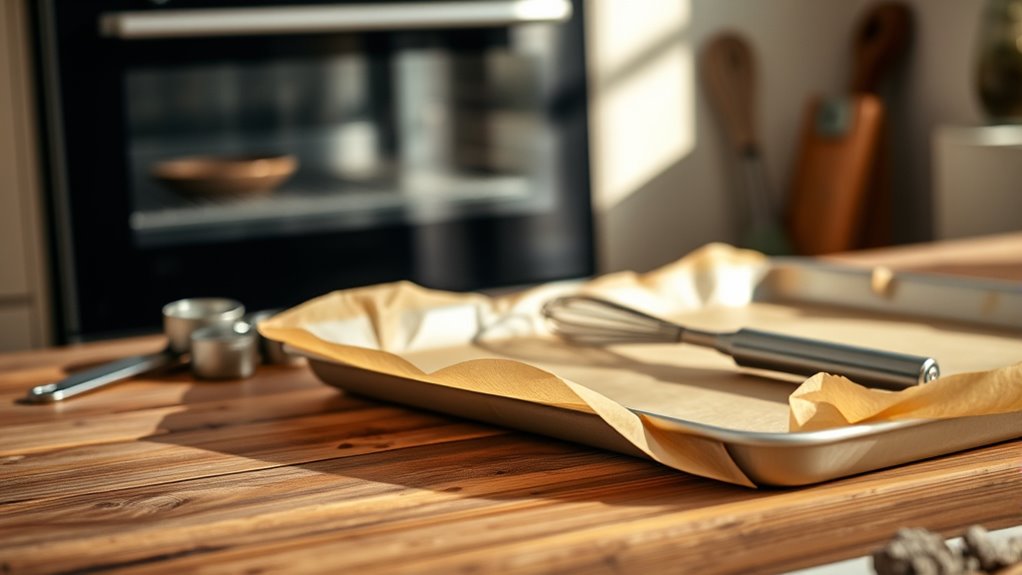
To use parchment paper safely, always place it on baking sheets or inside pans. Avoid letting it hang over the edges where it might touch the oven walls.
And here’s a big one—never use parchment paper under a broiler. It’s designed to handle typical baking heat, but open flames or super-high temperatures are a no-go.
Curious about safer alternatives or want extra tips to protect your food? Keep reading to learn how to bake smarter and keep your kitchen safe with these handy tricks.
What Is Parchment Paper Made Of?
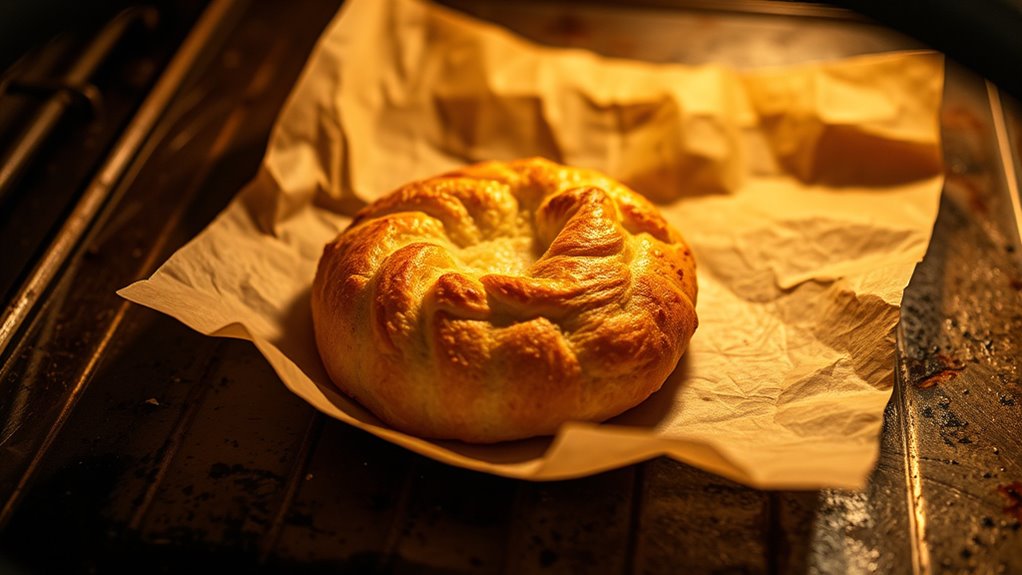
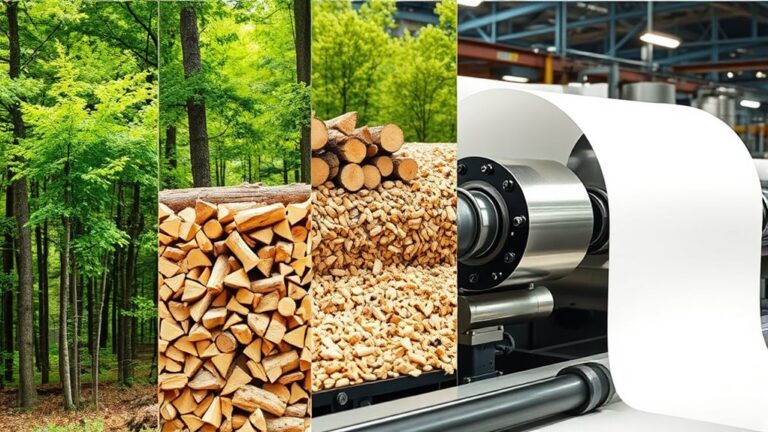
Although parchment paper looks similar to regular paper, it’s specially treated to withstand heat and prevent sticking. You’ll find it’s made from cellulose fibers, usually derived from wood pulp.
Parchment paper is made from cellulose fibers and specially treated to resist heat and prevent sticking.
The key difference is the silicone coating applied to both sides, which creates a non-stick, heat-resistant surface. This coating ensures your baked goods won’t stick and makes cleanup easier.
Unlike wax paper, which is coated with wax and unsuitable for high heat, parchment paper can handle oven temperatures without melting or releasing harmful chemicals. When you use parchment paper, you’re relying on this unique treatment that combines safety and convenience.
Understanding its composition helps you appreciate why it’s a kitchen essential for baking and roasting without worry.
Temperature Limits of Parchment Paper
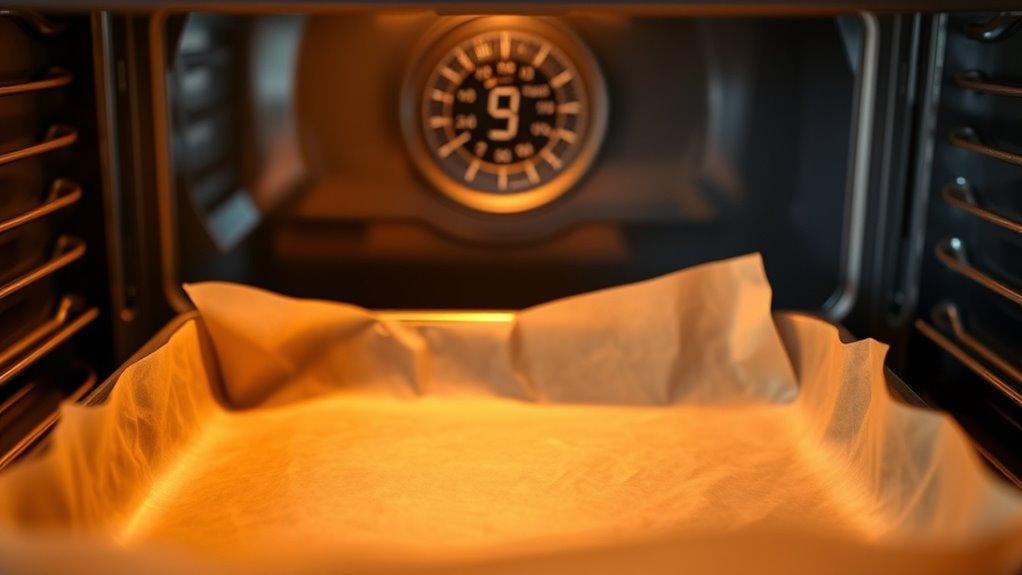
When you use parchment paper in your oven, it’s important to know its temperature limits to guarantee safety and effectiveness. Most parchment papers can safely withstand temperatures up to 420°F (215°C).
Going beyond this limit increases the risk of the paper scorching or even catching fire. Always check the packaging for specific temperature guidelines, as some brands might offer higher heat resistance.
Avoid using parchment paper under a broiler or on direct flame, as this can quickly exceed its tolerance. If your recipe requires higher temperatures, consider alternatives like silicone baking mats or greased metal pans.
Knowing these limits helps you bake confidently without worrying about the paper burning or affecting your food. Following this simple rule keeps your baking both safe and successful.
Common Causes of Parchment Paper Burning
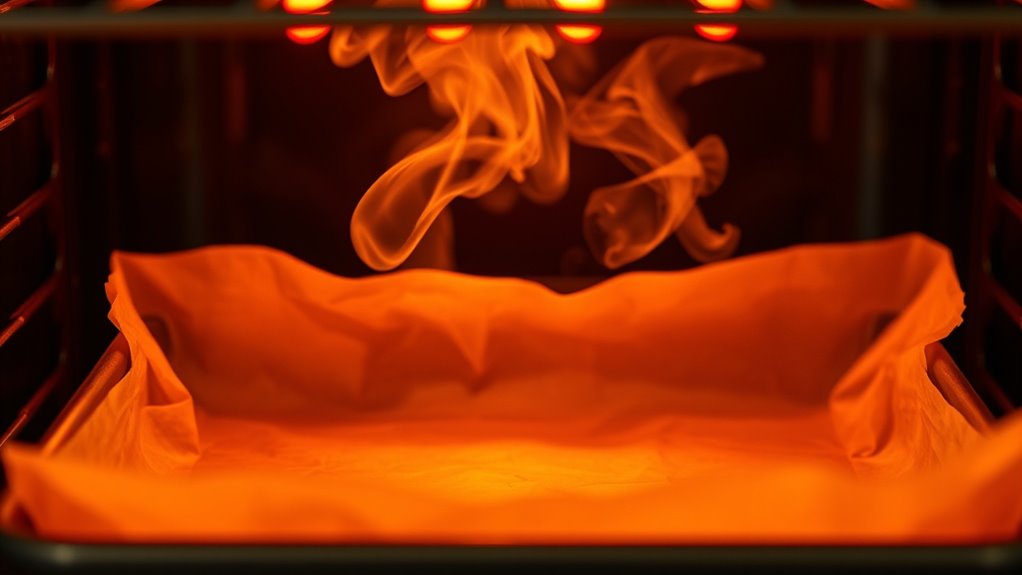
You’ll want to keep an eye on your oven temperature to prevent parchment paper from burning. Avoid exposing it to open flames, which can easily ignite the paper.
Also, remember that the quality and coating of the parchment paper play a big role in how well it handles heat. So, choosing a good brand can make a difference. Keep these tips in mind, and your parchment paper will last through your baking adventures!
Oven Temperature Limits
If your oven temperature exceeds the recommended limit for parchment paper, it can easily catch fire or char. Most parchment papers are safe up to about 420°F (215°C).
To avoid burning, keep these tips in mind:
- Check the packaging for the maximum temperature limit before use.
- Avoid setting your oven beyond that limit when using parchment paper.
- Use parchment only for baking temperatures, not broiling or roasting at very high heat.
- If you need higher heat, switch to a silicone baking mat or aluminum foil instead.
Exposure to Open Flames
Although parchment paper can handle moderate oven temperatures, it burns quickly when exposed to open flames. You should never place parchment paper directly over a gas burner or an open flame because it can ignite almost instantly.
Even the smallest contact with flames will cause charring or fire. This risk is especially high on grills, broilers, or gas stovetops.
| Cause of Exposure | Risk Level | Safety Tip |
|---|---|---|
| Gas Stove Burner | High | Keep parchment away from flame |
| Broiler Element | High | Use foil or metal pans instead |
| Open Grill Flames | Very High | Avoid parchment on grills |
| Direct Contact Flames | Very High | Never expose parchment to fire |
Always keep parchment paper positioned safely away from any direct heat source. It’s better to be safe than sorry when it comes to fire hazards.
Paper Quality and Coating
Many types of parchment paper differ in quality and coating, which directly affects their heat resistance and risk of burning. When you choose parchment paper, consider these key factors:
- Thickness: Thicker paper withstands higher temperatures without burning.
- Silicone Coating: A good silicone layer enhances non-stick properties and heat resistance.
- Material Purity: Pure cellulose paper burns less easily than recycled or low-quality alternatives.
- Temperature Rating: Always check the manufacturer’s maximum temperature limit to avoid exceeding it.
If you use low-quality parchment or one with inadequate coating, it’s more likely to char or ignite under high heat. So, pick parchment paper designed for baking and follow temperature guidelines carefully to keep your food safe and your kitchen tidy.
How to Use Parchment Paper Safely in the Oven
When you use parchment paper in the oven, you’ll want to make certain it doesn’t come into direct contact with heating elements or open flames. Place the paper only on baking sheets or inside pans to avoid exposure to intense heat sources.
Ensure parchment paper stays on baking sheets or pans, away from heating elements and open flames for safe oven use.
Cut the paper to fit the pan, ensuring it doesn’t hang over the edges where it might touch the oven walls. Avoid using parchment paper under a broiler, as temperatures exceed its safe limit.
Always check the manufacturer’s temperature guidelines, typically around 420°F to 450°F, and never exceed them. If you notice the paper browning too much or curling, reduce the temperature or switch to a different liner.
Following these steps helps you bake safely without risking burns or fires. It’s a simple way to keep your kitchen safe while getting great results from your baking!
Alternatives to Parchment Paper for High-Heat Baking
If you need alternatives to parchment paper for high-heat baking, you can try silicone baking mats, which handle heat well and are reusable. Aluminum foil is another option, especially for roasting or grilling, but watch for food sticking.
You can also grease your pans with oil and dust them with flour to prevent sticking without any paper at all. These methods work well and save you from running out of parchment paper. Give them a try next time you bake!
Silicone Baking Mats
Although parchment paper works well for most baking tasks, silicone baking mats offer a durable alternative that can handle higher temperatures without burning or sticking.
If you want to switch to silicone mats, here’s what you should know:
- They’re heat-resistant up to about 480°F (250°C), making them perfect for high-heat baking.
- Silicone mats are reusable, reducing waste and saving money over time.
- They provide a non-stick surface, so you rarely need extra grease or sprays.
- Cleaning is easy—just wash with warm, soapy water or toss them in the dishwasher.
Using silicone baking mats means you can bake cookies, roast veggies, or even make candy without worrying about paper burning or sticking.
Just remember to avoid direct flames or broiler use to keep them intact.
Aluminum Foil Uses
Silicone baking mats handle high temperatures well, but sometimes you need an even more heat-resistant option. That’s where aluminum foil comes in.
It can withstand much higher heat without burning or melting, making it perfect for roasting, broiling, or baking at temperatures above parchment paper’s limit. You can use foil to line baking sheets or wrap food directly, which also helps retain moisture.
However, remember that foil isn’t non-stick like parchment, so you might need to grease it lightly to prevent sticking. Also, avoid using aluminum foil with acidic foods, as it can cause a metallic taste.
Oil and Flour Methods
Many bakers turn to oil and flour methods when parchment paper won’t withstand the heat. This technique helps prevent sticking and can handle higher oven temperatures without burning.
Here’s how you can use it effectively:
- Lightly coat your baking surface or pan with a thin layer of oil or melted butter.
- Sprinkle a small amount of flour evenly over the oiled surface.
- Tilt and tap the pan to distribute the flour, then shake out any excess.
- Place your dough or batter directly on this prepared surface for baking.
This method works well for breads and pastries that need high heat. It’s a reliable alternative when parchment paper risks burning or discoloration in your oven.
Tips for Storing and Handling Parchment Paper
When you store parchment paper properly, you’ll keep it clean and ready for use while preventing damage like creases or moisture exposure. Keep your parchment paper in a cool, dry place away from direct sunlight to avoid weakening the paper.
Store it in its original packaging or in a resealable plastic bag to protect it from humidity. This way, you make sure it stays fresh and useful for longer.
When handling, unroll only the amount you need to prevent unnecessary creasing or tearing. If you notice any folds or wrinkles, try to smooth them out gently before use to ensure even baking.
Also, avoid exposing parchment paper to heat sources outside of the oven, as this can cause premature burning. Following these simple tips will help you maintain parchment paper’s quality for safe, effective baking every time.
Conclusion
Parchment paper is your baking buddy, but like any friend, it has its limits—don’t push it past 420°F, or it might scorch like a summer sidewalk. Keep it away from direct flames and broilers, and you’ll keep your kitchen drama-free.
Treat it with care, store it dry, and it’ll always be ready to catch your cookies and cakes like a trusty safety net. Bake smart, and let parchment paper be your silent, heat-proof partner!
Remember, parchment paper is designed for baking, not for grilling or broiling. Using it safely means avoiding direct contact with open flames or heating elements. When used correctly, parchment paper won’t burn—it just helps you bake better by preventing sticking and making cleanup easy.
So, keep parchment paper under 420°F and away from direct heat, and you’ll enjoy hassle-free baking every time. It’s a simple, safe tool that makes your baking experience smoother and more enjoyable!