How You Can Get a Pap While on Your Period Step by Step
You can get a Pap smear during your period by scheduling a time when your flow is light. It’s important to avoid tampons, creams, or douches for at least 24 hours before your appointment. These steps help ensure the test is as accurate as possible.
Wear comfortable clothing and bring a pad for afterward since you might have some spotting.
During the test, the healthcare provider will use gentle techniques to reduce discomfort and carefully avoid any bleeding areas.
If you experience heavy flow or pain, it’s a good idea to consider rescheduling. Want to know more about managing discomfort and ensuring accurate results? Just ask!
Understanding the Pap Smear Procedure During Menstruation
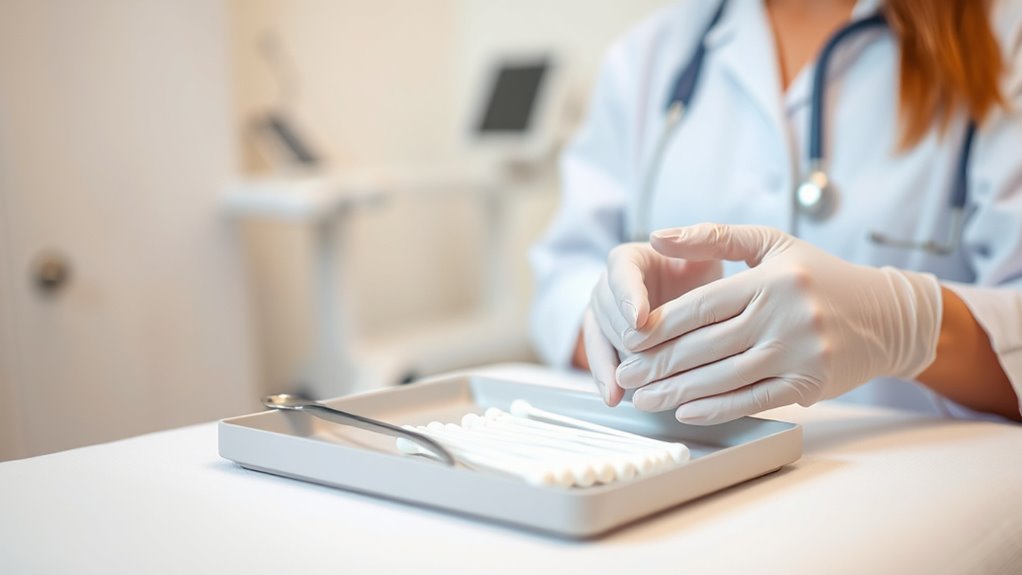
Although many women worry about scheduling a Pap smear during their period, you can still have the procedure done safely and effectively. The Pap smear involves collecting cells from your cervix to check for abnormalities.
Many women worry about Pap smears during their period, but the test can still be done safely and effectively.
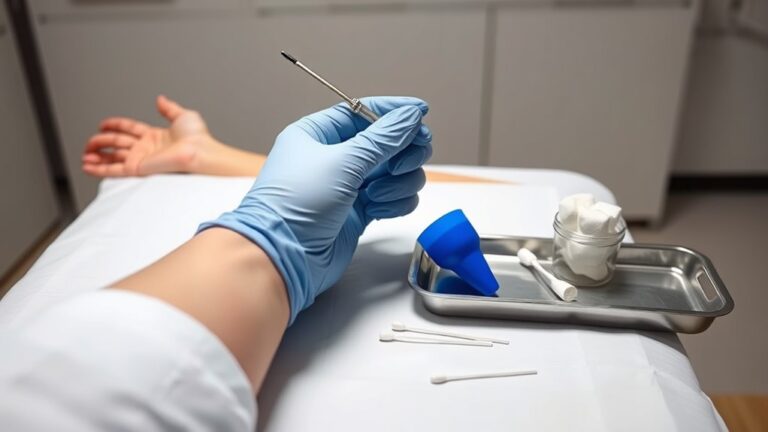
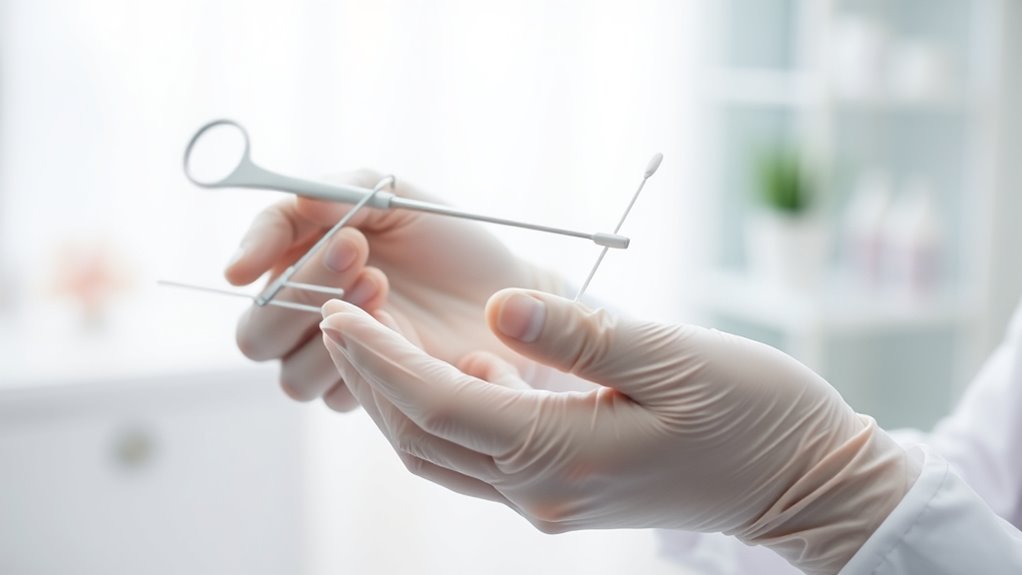
During menstruation, a small amount of blood might appear on the sample, but this doesn’t usually interfere with the test’s accuracy. Your healthcare provider will gently insert a speculum to view your cervix and use a soft brush or spatula to gather the cells.
You might experience slight discomfort, but the process is quick. If your flow is heavy, your provider might suggest rescheduling, but light bleeding generally isn’t a problem.
Understanding this helps you feel more confident about keeping up with your routine screenings, even during your period. So, don’t let your period stop you from getting checked!
Preparing Yourself Before the Appointment
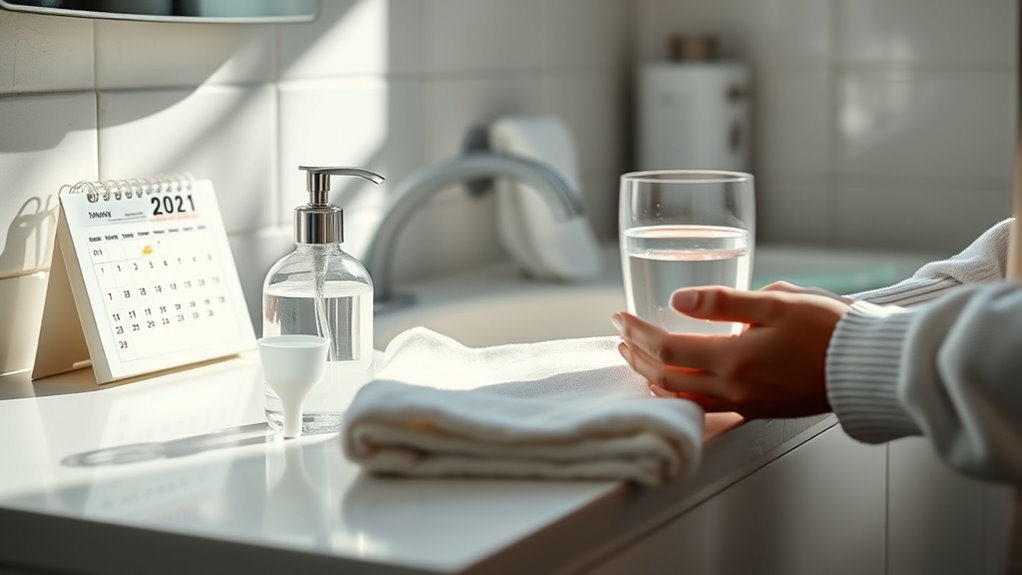
Before your appointment, take a few simple steps to make the Pap smear as comfortable and effective as possible. First, schedule your visit knowing your period will be ongoing; many clinics accommodate this.
Wear comfortable, loose-fitting clothing for easy access and minimal discomfort. Avoid using tampons, vaginal creams, douches, or lubricants for at least 24 hours before your appointment, as these can interfere with test results.
Bring a sanitary pad for after the exam, since you’ll be on your period. Hydrate well and try to relax—stress can increase discomfort.
If you have questions or concerns, jot them down to discuss with your healthcare provider. Preparing this way helps guarantee accurate results and a smoother experience during your Pap smear on your period.
What to Expect During the Pap Smear on Your Period
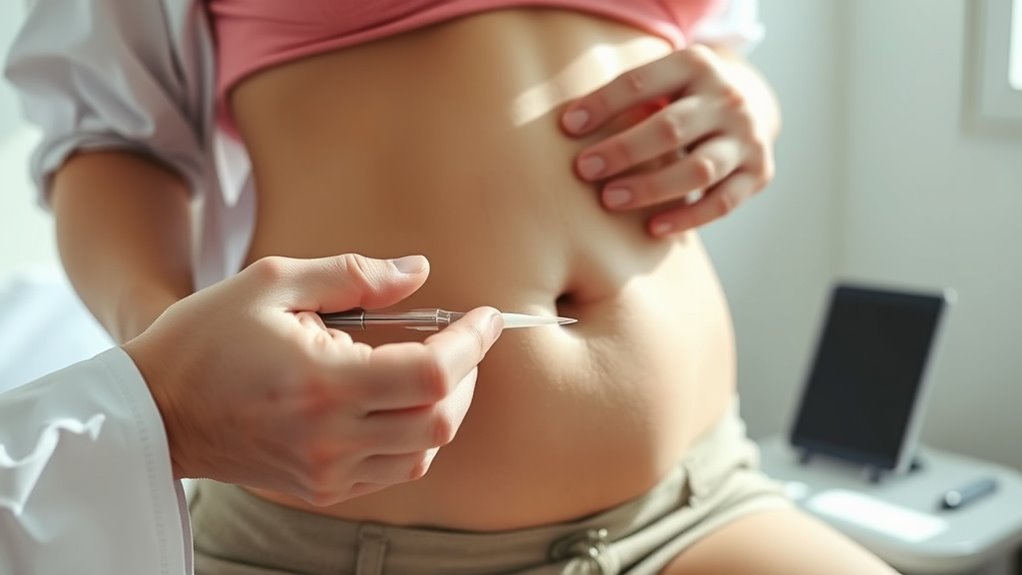
During your period, your healthcare provider may adjust the Pap smear procedure to minimize discomfort and manage bleeding. You might notice a bit more spotting or bleeding during the test, but it’s usually nothing to worry about.
Knowing what to expect can help you feel more at ease throughout the appointment. It’s totally normal, and your provider is used to making sure you’re comfortable. Just remember to communicate how you’re feeling during the test!
Procedure Adjustments on Period
Since your cervix may be more sensitive and there’s some bleeding, your healthcare provider will take extra care to make the Pap smear as comfortable and accurate as possible. They might use a smaller speculum to reduce discomfort and be gentle when inserting it.
Before collecting the sample, the provider will carefully assess the cervix to avoid areas with active bleeding, aiming to gather cells from the most representative spots. You may notice a slight difference in technique compared to a Pap done outside your period, but these adjustments ensure a reliable result.
Your provider will also be attentive to any signs of irritation and proceed slowly. These thoughtful modifications help maintain both your comfort and the test’s effectiveness during your period.
Managing Discomfort and Bleeding
Although having a Pap smear while on your period might cause some extra discomfort or spotting, your healthcare provider will take steps to minimize these issues and keep you as comfortable as possible throughout the procedure.
You might feel slight cramping or pressure, but this is usually brief. If you experience bleeding, don’t worry—it’s normal and expected.
Your provider may use gentle techniques to reduce irritation and may place a small pad to catch any spotting afterward. You can also bring a panty liner for extra comfort post-appointment.
If discomfort persists or bleeding seems heavy, be sure to communicate this with your provider. Remember, managing these symptoms is part of ensuring your Pap smear is as smooth and effective as possible, even during your period.
Tips to Reduce Discomfort and Anxiety
If you’re feeling uneasy about getting a Pap smear while on your period, there are simple steps you can take to ease both discomfort and anxiety. Preparing yourself mentally and physically can make the experience smoother.
First, communicate openly with your healthcare provider about your concerns and menstrual cycle. It really helps to be upfront so they can accommodate you better.
Be upfront with your healthcare provider about your period and concerns for better accommodations.
Also, practice deep breathing or mindfulness techniques to stay calm during the exam. Taking a few slow breaths can make a big difference.
Wear comfortable clothing that allows easy access and helps you feel relaxed. Trust me, it makes the whole process less stressful.
And if you want, bring a trusted friend or support person for emotional reassurance before and after the test. Having someone there can be really comforting.
How Menstrual Blood Affects Test Accuracy
Menstrual blood can mix with the sample and affect the accuracy of your Pap test results. This interference may make it harder for your healthcare provider to get a clear picture of your cervical health.
Understanding these challenges helps you know why timing your test matters. So, scheduling your Pap test when you’re not on your period can give the most reliable results.
Blood and Test Results
Because menstrual blood can mix with cervical cells during a Pap test, it sometimes makes it harder for your healthcare provider to get clear results. Blood can obscure abnormal cells, leading to inconclusive or false-negative outcomes.
To help you understand, here’s how blood impacts your test results:
- Blood may dilute or cover cervical cells, reducing sample clarity.
- It can interfere with the lab’s ability to identify precancerous or cancerous changes.
- Sometimes, additional testing is needed if results are unclear due to blood contamination.
- Your provider might recommend scheduling a repeat Pap once your period ends for more accurate results.
Knowing this helps you make informed decisions about timing your Pap test and understanding possible follow-up steps.
Interference With Sample Quality
When blood mixes with cervical cells during your Pap test, it can reduce the sample’s quality and make it harder for labs to accurately detect abnormalities. Menstrual blood contains cells and substances that may obscure or dilute the cervical cells needed for analysis.
This interference can lead to insufficient or unclear samples, which might require a repeat test. While it’s still possible to get a Pap during your period, you should know that blood contamination can complicate the lab’s ability to clearly examine the cells.
To improve sample quality, your healthcare provider may take extra care when collecting the specimen or suggest timing your test when your flow is lighter. Understanding this helps you make informed decisions about when and how to schedule your Pap test.
Accurate Diagnosis Challenges
Although getting a Pap test during your period is possible, blood can make it harder for your healthcare provider to accurately diagnose any cervical cell abnormalities. Menstrual blood may obscure abnormal cells, leading to inconclusive or false-negative results.
It also complicates the staining process used to identify precancerous or cancerous cells. Here’s how menstrual blood affects test accuracy:
- Blood clots can mask abnormal cell clusters, making them difficult to detect.
- Excess blood dilutes cellular material, reducing sample adequacy.
- Blood proteins interfere with cellular staining, hindering microscopic evaluation.
- Inflammation caused by menstruation can mimic or hide abnormal changes.
To ensure the most accurate diagnosis, your provider might recommend scheduling the Pap test when you’re not menstruating. It’s a small timing change that can really make a difference in getting clear results.
When to Reschedule Your Pap Smear
If your period is heavy or causing significant discomfort, you might want to reschedule your Pap smear. Heavy bleeding can interfere with sample collection, leading to inaccurate results.
If you experience intense cramping or feel unwell, postponing your appointment can make the process easier and less stressful. Also, if you notice unusual symptoms like severe pain or abnormal discharge, it’s best to consult your healthcare provider before proceeding.
Remember, scheduling your Pap smear during lighter days of your cycle can improve accuracy and comfort. Don’t hesitate to call your clinic and explain your situation—they often accommodate rescheduling without penalty.
Ultimately, your comfort and the quality of the test matter most, so rescheduling when necessary is a smart choice.
Conclusion
Getting a Pap smear while on your period is doable and often necessary. Did you know that about 30% of women delay their screening because of menstruation? Don’t let your period hold you back from this important test.
By preparing properly and communicating with your healthcare provider, you can guarantee accurate results and reduce discomfort. It’s all about making sure you’re comfortable and informed.
Remember, staying on top of your Pap smears helps catch issues early, keeping you healthier in the long run. So, don’t skip your appointment just because you’re on your period. With the right approach, getting a Pap smear during menstruation is perfectly fine and important for your health.