
How to Tell If Butcher Paper and Freezer Paper Are the Same
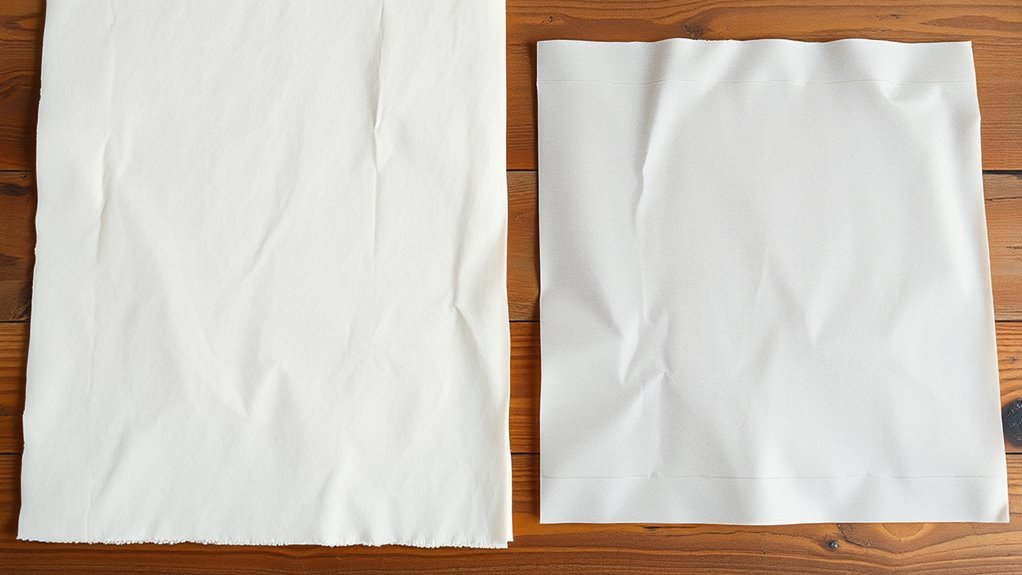
You can tell butcher paper and freezer paper apart by their texture and coating. Butcher paper feels dense, porous, and usually uncoated or lightly coated, allowing air to pass through.
Freezer paper, however, has a shiny plastic-coated side, making it moisture-resistant and less breathable.
This plastic layer helps prevent freezer burn, which is a big plus when storing meats for long periods. They serve different purposes, so if you want to know which one fits your kitchen needs best, keep exploring their unique features and uses.
It’s pretty handy to know the difference when you’re wrapping food or prepping for storage!
Defining Butcher Paper and Its Common Uses
Although you might often see butcher paper in kitchens and stores, you may not know exactly what it is or how it’s used. Butcher paper is a sturdy, coarse paper designed primarily for wrapping meat.
It’s breathable, which helps prevent moisture buildup and keeps the meat fresh longer. You’ll often find it lining butcher blocks or wrapped around cuts of beef, pork, and poultry.
Beyond meat handling, you can use butcher paper for food presentations, craft projects, or even as a disposable table covering for messy activities. Its durability and absorbency make it ideal when you need something strong yet flexible.
When you pick up butcher paper, remember it isn’t wax-coated, so it won’t provide a moisture barrier like some other papers do. That’s key to understanding its main uses.
Understanding Freezer Paper and Its Typical Applications
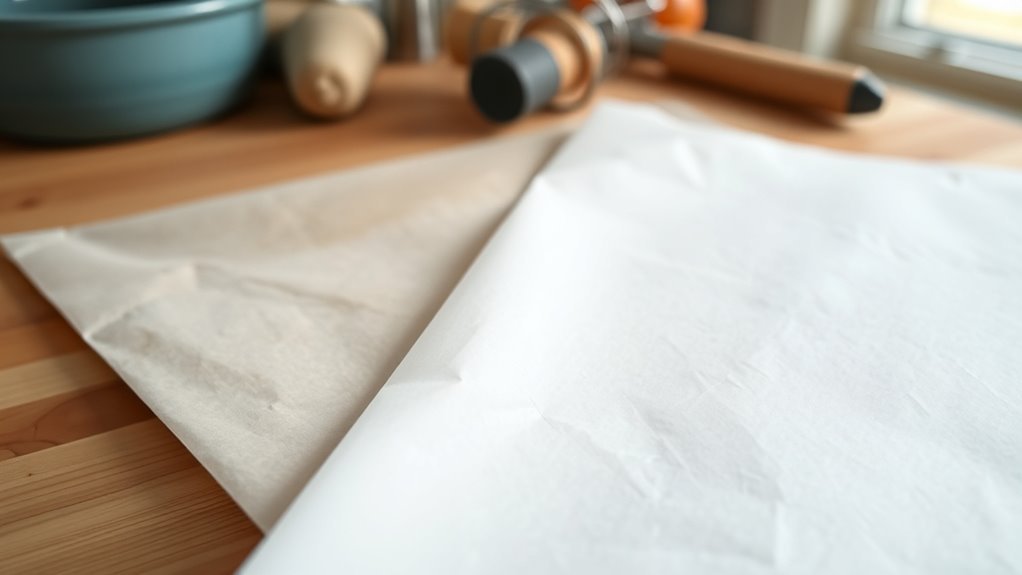
You’ll find that freezer paper is coated with a thin layer of plastic on one side, making it perfect for wrapping meat and other foods. Its design helps keep moisture in and air out, which preserves freshness during storage.
When you use freezer paper, you’re getting a reliable way to protect your food from freezer burn and maintain quality longer. It’s a simple trick that really makes a difference!
Freezer Paper Composition
Because freezer paper combines a sturdy paper backing with a thin layer of plastic coating on one side, it creates a moisture-resistant barrier ideal for preserving food. You’ll find that the paper side is porous and absorbent, while the plastic-coated side resists moisture and prevents freezer burn.
This composition allows you to wrap items tightly, sealing in freshness and keeping out air and moisture. The plastic layer also makes the paper somewhat grease-resistant, which helps when handling fatty foods.
Unlike butcher paper, which is fully porous, freezer paper’s dual nature provides a protective seal without sacrificing breathability on the paper side. Understanding this unique composition helps you appreciate why freezer paper performs well in cold storage and why it’s not just ordinary paper but a specialized product designed for food preservation.
Common Uses of Freezer Paper
Where can you use freezer paper beyond just wrapping food? Freezer paper isn’t just for preserving your groceries; it’s a versatile tool in your kitchen and craft room.
Here are three common uses:
- Food Prep Surface: Lay freezer paper on your counter as a clean, non-slip surface for cutting or rolling dough.
- Craft Stencil: Use its coated side to create stencils. It’s easy to cut and can be ironed onto fabric for painting designs.
- Temporary Labels: Write on the paper with a marker and stick it on containers or freezer bags for quick, removable labels.
These practical uses highlight freezer paper’s flexibility, making it more than just a storage aid. You’ll find it handy in various everyday tasks!
Benefits in Food Storage
Beyond its creative and prep uses, freezer paper shines when it comes to food storage. When you wrap meat, fish, or vegetables in freezer paper, the wax-coated side creates a moisture-resistant barrier that helps prevent freezer burn. This means your food stays fresher longer, preserving flavor and texture.
Unlike regular butcher paper, freezer paper seals tightly, reducing air exposure and slowing oxidation. You can also use it to portion out meals, making it easier to organize your freezer and reduce waste. Plus, it’s easy to label directly on the paper, so you always know what’s inside.
If you want to keep your frozen goods at peak quality, freezer paper is a smart choice that combines convenience with effective preservation. It really makes managing your freezer a breeze!
Material Composition and Coating Differences

You’ll notice butcher paper and freezer paper use different types of paper materials designed for specific tasks. Their coatings serve unique purposes—freezer paper usually has a plastic coating to block moisture, while butcher paper often relies on a wax or none at all.
These differences help control moisture and grease, so it’s important to pick the right one for your needs. Choosing the right paper can really make a difference depending on what you’re wrapping or cooking.
Paper Material Types
Although butcher paper and freezer paper may look similar at first glance, their material composition and coatings serve very different purposes. When identifying paper material types, focus on these key aspects:
Butcher paper typically uses a dense, uncoated kraft paper that’s porous and breathable. This means it lets air pass through, which is great for wrapping meat.
Freezer paper, on the other hand, consists of kraft paper with a plastic coating on one side. That coating creates a moisture barrier to keep things fresh.
The thickness also varies — butcher paper is generally thicker to handle meat wrapping. Freezer paper is thinner but more resistant to moisture, making it perfect for freezing.
Coating Purpose Variations
Understanding the differences in material types naturally leads to examining how each paper’s coating serves its specific function. Butcher paper typically has a simple clay coating that allows breathability, while freezer paper sports a plastic coating designed to create a tight seal.
These coatings impact how you use each paper for food preparation or storage.
| Paper Type | Coating Material | Purpose of Coating | Effect on Usage |
|---|---|---|---|
| Butcher Paper | Clay | Breathable surface | Allows meat to breathe |
| Freezer Paper | Plastic (polyethylene) | Creates moisture and air barrier | Seals tightly to prevent freezer burn |
| Butcher Paper | None or minimal | Absorbs moisture | Ideal for wrapping fresh meat |
| Freezer Paper | Glossy plastic | Provides durability | Protects food during freezing |
Knowing these coating differences helps you pick the right paper for your needs.
Moisture and Grease Barriers
Since moisture and grease can affect food quality, the way butcher paper and freezer paper handle these elements is essential. Butcher paper is porous and breathable, allowing some moisture to escape, which helps prevent sogginess but doesn’t provide a full moisture barrier.
Freezer paper, however, has a plastic coating on one side, creating a strong moisture and grease barrier that locks in freshness and prevents leaks.
Here’s what you need to know about their barriers:
- Butcher paper’s coating is minimal, offering limited protection against grease and moisture.
- Freezer paper’s plastic coating forms a waterproof seal, ideal for freezing and greasy foods.
- The difference in coatings directly influences how each paper suits different food storage needs.
How Butcher Paper Affects Food Storage and Preparation
How does butcher paper impact the way you store and prepare food? It helps you maintain freshness while allowing the food to breathe, preventing sogginess.
When wrapping meats or cheeses, butcher paper lets moisture escape, reducing bacterial growth. You’ll also find it useful during food prep as a clean, sturdy surface.
Here’s a quick comparison of butcher paper’s effects on food storage and preparation:
| Feature | Benefit | Food Type |
|---|---|---|
| Breathability | Prevents sogginess | Meats, cheeses |
| Durability | Supports prep work | Vegetables, meats |
| Moisture control | Maintains freshness | Smoked or cured meats |
Using butcher paper smartly improves your food’s texture and shelf life. It’s a simple trick that makes a big difference!
The Role of Freezer Paper in Preventing Freezer Burn
Why does freezer paper play an essential role in protecting your food during freezing? It acts as a barrier that locks out air and moisture, which are the main culprits behind freezer burn. When you wrap your food properly with freezer paper, you maintain its quality and flavor longer.
Here’s how freezer paper helps prevent freezer burn:
- Air-tight Seal: The plastic-coated side creates a moisture-resistant layer, preventing air from drying out your food.
- Moisture Retention: It keeps the natural juices inside, so your food stays tender.
- Durability: Freezer paper resists tears and punctures, ensuring long-term protection.
Choosing Between Butcher Paper and Freezer Paper for Your Kitchen Needs
When deciding between butcher paper and freezer paper, you need to think about how you plan to use each type in your kitchen. If you’re wrapping fresh meats for short-term storage or prepping for a barbecue, butcher paper works great because it’s breathable and helps retain moisture without trapping too much steam.
On the other hand, if you want to freeze meats or leftovers for longer periods, freezer paper is your best bet. Its plastic-coated side creates a moisture barrier that prevents freezer burn and keeps food fresh.
Conclusion
Now that you know butcher paper and freezer paper aren’t the same, you can choose the right one for your kitchen needs. Notably, using freezer paper can reduce freezer burn by up to 70%, keeping your food fresher longer.
So next time you’re wrapping meat or storing leftovers, pick the paper that matches your goal—whether it’s breathability with butcher paper or airtight protection with freezer paper.
Choosing the right paper really makes all the difference when it comes to food storage and preservation. Remember, butcher paper is great for letting your meat breathe without drying out, while freezer paper provides a strong barrier against moisture and air.
By understanding these key differences, you can keep your food tasting fresh and avoid freezer burn. It’s a simple switch that will improve how you store and preserve your food every time!