
What Does a Pap Smear Test for STDs Detect?
A Pap smear primarily screens for cervical cancer by checking for abnormal cell changes. It also detects signs of HPV infection and some inflammation caused by other infections.
These infections can sometimes be related to sexually transmitted diseases (STDs), but the Pap smear isn’t a direct test for most STDs.
For example, it doesn’t directly test for common STDs like chlamydia, gonorrhea, or herpes. Many STDs don’t cause visible cell changes that a Pap smear can pick up.
Because of this, additional tests are often needed for a full STD screening.
So, while a Pap smear is a great tool for spotting cervical cancer and some HPV-related issues, you might need extra testing to check for other STDs.
Keep reading to learn what a Pap smear detects and when it’s a good idea to get additional tests.
Understanding the Purpose of a Pap Smear
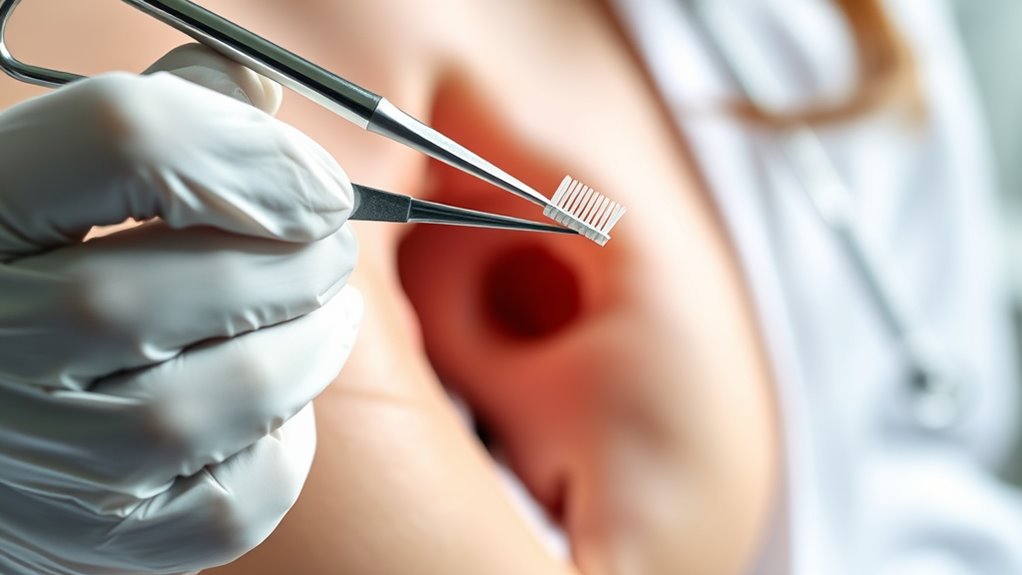
Although many people associate a Pap smear primarily with cervical cancer screening, its purpose extends beyond that. When you get a Pap smear, your healthcare provider collects cells from your cervix to check for abnormalities.
These abnormalities might not be cancer yet but could develop into it if left untreated. This test helps catch problems early, giving you a chance to address them before they worsen.
Besides cancer prevention, a Pap smear also reveals other cellular changes that might indicate inflammation or irritation. While it doesn’t directly test for most sexually transmitted diseases, the information it provides helps your doctor understand your overall cervical health.
Staying on top of Pap smears is a key step in maintaining your reproductive health and preventing serious complications.
How Pap Smears Detect HPV and Other Infections

When you get a Pap smear, your healthcare provider can identify signs of human papillomavirus (HPV) and other infections by examining changes in your cervical cells. During the test, cells collected from your cervix are looked at under a microscope.
A Pap smear helps detect HPV and infections by examining cervical cell changes under a microscope.
HPV can cause abnormal cell changes, which the provider detects early. These changes might not cause symptoms yet but indicate infection.
Besides HPV, the test can reveal inflammation or infections caused by bacteria, yeast, or other viruses by spotting unusual cell patterns or presence of infectious agents. This helps your provider recommend further testing or treatment if needed.
While a Pap smear primarily focuses on cervical cell abnormalities, it plays an essential role in spotting early signs of HPV and some infections to protect your reproductive health.
Limitations of Pap Smears in STD Detection
While Pap smears can detect certain infections, they don’t catch all sexually transmitted diseases (STDs). You should know that Pap smears primarily screen for abnormal cervical cells and HPV-related changes, but they don’t test directly for many common STDs like chlamydia, gonorrhea, or herpes.
If you rely solely on Pap smears, some infections might go unnoticed, especially those that don’t cause visible cell changes. Also, Pap smears can’t identify infections in other areas such as the throat or anus.
To get a full picture of your sexual health, you’ll need additional tests that specifically target various STDs. So, while Pap smears are important, don’t assume they cover all bases when it comes to STD detection.
Common STDs Identified Through Pap Smears
Since Pap smears focus on detecting abnormal cervical cells, they can also reveal infections caused by certain STDs, especially human papillomavirus (HPV).
When you get a Pap smear, your healthcare provider can identify cellular changes linked to HPV, which is the main cause of cervical cancer.
Pap smears may occasionally detect other infections that affect cervical cells but are less reliable for conditions like chlamydia or gonorrhea.
| STD Type | Detection via Pap Smear | Notes |
|---|---|---|
| HPV | Yes | Most common; linked to cancer |
| Herpes | Sometimes | Rarely causes visible changes |
| Trichomoniasis | Occasionally | May cause inflammation |
Understanding which STDs Pap smears detect helps you know when additional testing is necessary. It’s always a good idea to talk with your healthcare provider if you have concerns or symptoms.
Additional Tests Recommended for Comprehensive STD Screening
To get a complete picture of your sexual health, you might need tests beyond the Pap smear, like screenings for chlamydia, gonorrhea, and HIV.
These additional tests help catch infections that Pap smears might miss, ensuring you get the right treatment early.
You should consider extra testing especially if you have new partners, symptoms, or a history of STDs.
Common Additional STD Tests
What other tests should you consider beyond the Pap smear to make certain a thorough STD screening? You’ll want to get tested for chlamydia and gonorrhea, as these bacterial infections often show no symptoms but can cause serious complications if untreated.
A urine test or a swab from the cervix or urethra can detect these. Testing for syphilis involves a simple blood test, while HIV screening is typically done through blood or oral fluid tests.
Herpes testing may require a swab of any sores or a blood test if you don’t have visible symptoms. Depending on your sexual history, your healthcare provider might also recommend testing for hepatitis B and C.
Combining these tests with your Pap smear gives you a more complete picture of your sexual health. It’s always better to be safe and get checked regularly!
Benefits of Comprehensive Screening
Although a Pap smear is essential, adding other STD tests guarantees you get a thorough understanding of your sexual health. Relying solely on a Pap smear might miss infections that don’t affect cervical cells but can still harm you or your partners.
Complete screening offers a lot of benefits. First, it allows early detection of asymptomatic infections, which helps prevent long-term complications.
It also gives you peace of mind by confirming your status across multiple STDs. Plus, you get better treatment outcomes through timely and accurate diagnoses.
And let’s not forget about your partner(s). Comprehensive screening reduces the risk of unknowingly transmitting infections, keeping everyone healthier.
When to Seek Extra Testing
Since a Pap smear alone doesn’t detect all infections, you should consider extra testing if you experience symptoms like unusual discharge, pain, or itching. These signs could indicate infections such as chlamydia, gonorrhea, or herpes, which Pap smears don’t routinely screen for.
If you’ve had unprotected sex, multiple partners, or a partner diagnosed with an STD, it’s wise to ask your healthcare provider about extensive testing. Additional tests like urine samples, blood tests, or swabs can identify infections beyond cervical abnormalities.
Regular screenings, coupled with symptom awareness, help you catch and treat infections early, reducing complications. Don’t hesitate to request extra testing to ensure your sexual health is thoroughly monitored and protected.
Importance of Regular Screening for Sexual Health
You should get regular screenings to catch any infections early before they cause serious problems. Following the recommended frequency helps protect your long-term health and prevents complications.
Staying consistent with these tests keeps you informed and in control of your sexual well-being. It’s really about staying on top of things so you can feel confident and safe.
Benefits of Early Detection
Detecting sexually transmitted infections early through regular Pap smear tests can protect your health and prevent complications. When you catch infections early, you gain control over your well-being and avoid long-term damage.
Here’s what early detection does for you:
- Stops the infection from spreading to others, keeping your loved ones safe.
- Allows for timely treatment, reducing discomfort and symptoms quickly.
- Prevents serious health issues like infertility or cancer that can arise from untreated STDs.
- Gives you peace of mind, knowing you’re actively managing your sexual health.
Recommended Screening Frequency
Regular Pap smear tests play an essential role in maintaining your sexual health by ensuring any abnormalities or infections are caught early. Healthcare professionals generally recommend starting Pap smear screenings at age 21, with follow-up tests every three years if results are normal.
However, if you have risk factors like a history of STDs, a weakened immune system, or multiple sexual partners, your doctor might suggest more frequent testing. Staying on schedule with these screenings helps detect issues before they develop into serious problems.
If you’re unsure when your next Pap smear is due, don’t hesitate to ask your healthcare provider. Keeping up with regular Pap smears empowers you to take control of your sexual health and well-being.
Impact on Long-Term Health
Although it might seem routine, staying consistent with your Pap smear tests can considerably impact your long-term sexual health. Regular screenings help catch issues before they become serious, protecting you in ways you might not expect.
When you keep up with your Pap smears, you:
- Detect precancerous changes early, preventing cervical cancer.
- Identify infections like HPV and other STDs that could affect fertility.
- Avoid complications that arise from untreated infections.
- Empower yourself with knowledge to make informed health decisions.
Conclusion
A Pap smear helps keep an eye on your cervical health by spotting changes often linked to HPV and some other infections, giving you an early heads-up.
However, it’s not a catch-all for every intimate health concern, so pairing it with other tests guarantees you’re fully covered.
Staying proactive with regular check-ups is a smart way to quietly safeguard your well-being and enjoy peace of mind in your personal life.
Remember, while a Pap smear detects certain infections like HPV, it doesn’t test for all STDs. Combining it with specific STD screenings ensures comprehensive care.
Being informed and taking these steps helps protect your sexual and reproductive health effectively.