How to Manage Cramping After a Pap Smear and What Is Normal
You may experience mild cramping after a pap smear, which usually feels like light menstrual cramps and fades within a few hours. This is a common part of the process and nothing to worry about. Understanding what’s normal can really help you feel more at ease with the procedure.
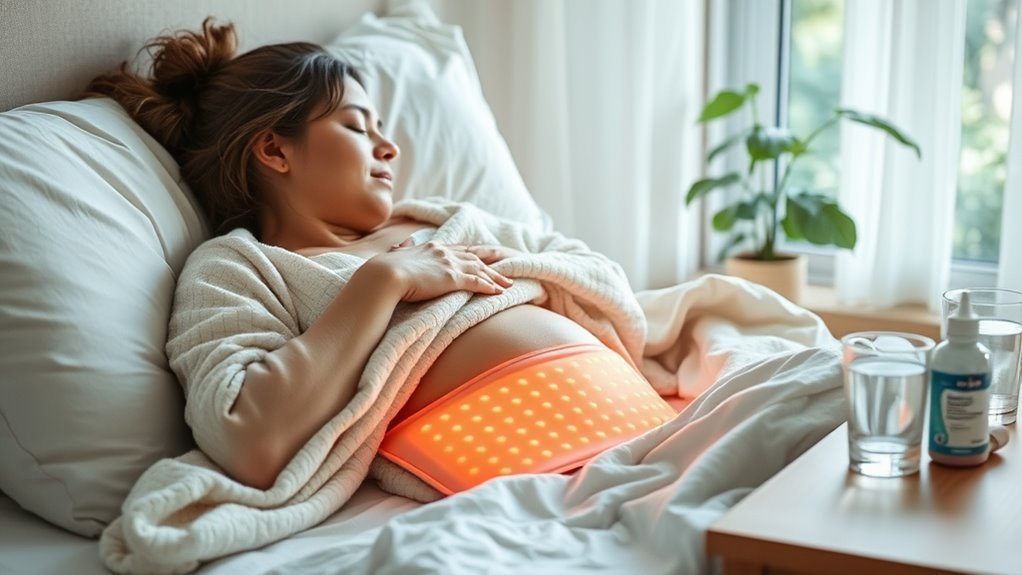
To ease discomfort, try using a warm compress and take over-the-counter pain relievers if needed. Staying hydrated and resting can also make a big difference. It’s best to avoid heavy activity for the day after your pap smear.
If your cramping lasts more than 24 hours, gets worse, or comes with heavy bleeding or a fever, be sure to contact your doctor. These could be signs that you need medical attention.
Taking care of yourself and knowing what to expect makes managing aftercare much easier.
Understanding the Causes of Cramping After a Pap Smear
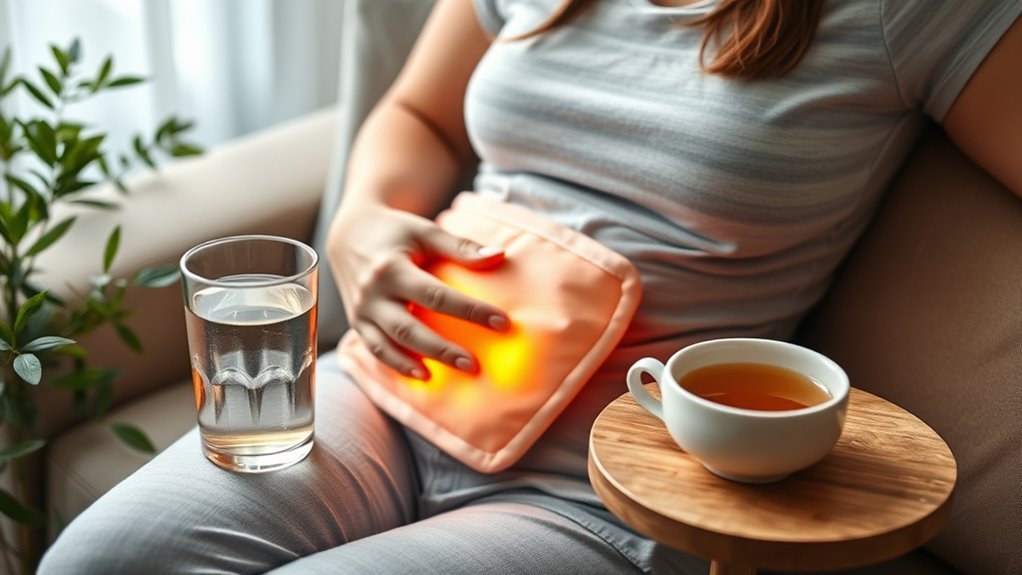
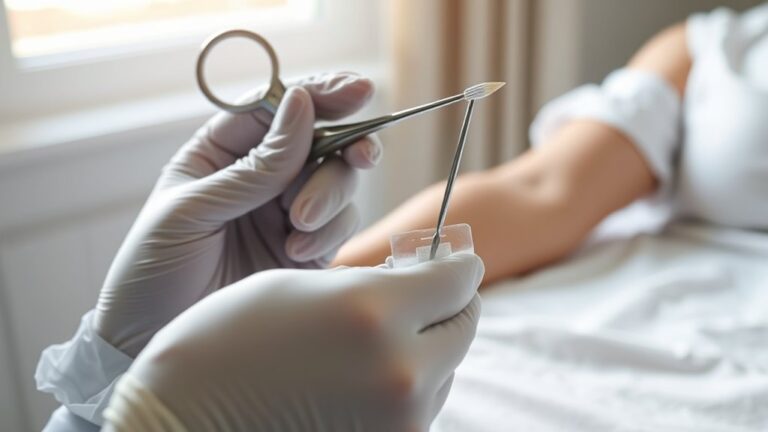
Although a Pap smear is a routine procedure, you might experience cramping afterward. This happens because the cervix is gently scraped to collect cells.
Pap smears may cause mild cramping due to gentle scraping of the cervix to collect cells.
This minor irritation can trigger mild muscle contractions, which cause the cramping sensation. Plus, your cervix is pretty sensitive, so the procedure can stimulate nerve endings and lead to discomfort or cramps.
Hormonal fluctuations may also play a role here. They affect cervical sensitivity and muscle tone, so that might make the cramping feel a bit more noticeable.
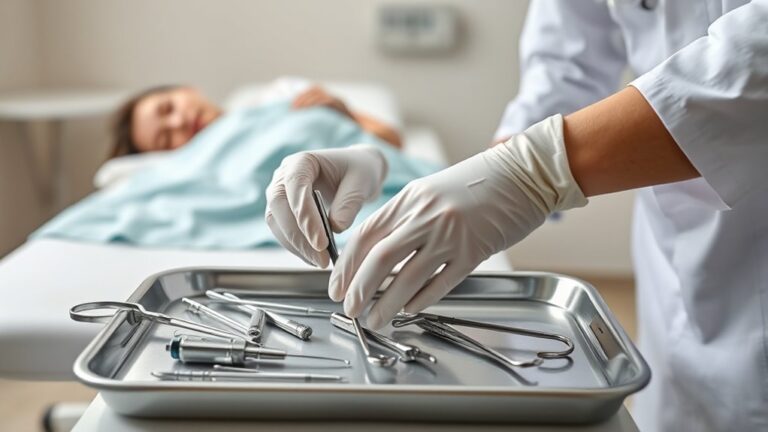
If your cervix is inflamed or if you have an infection, you could feel more cramping than usual. Also, the speculum used to hold the vaginal walls open can cause some pressure or slight trauma, which adds to the cramping.
Knowing these causes can help you understand that mild cramping after a Pap smear is usually normal and temporary. So, there’s generally no need to worry.
Typical Duration and Intensity of Cramping
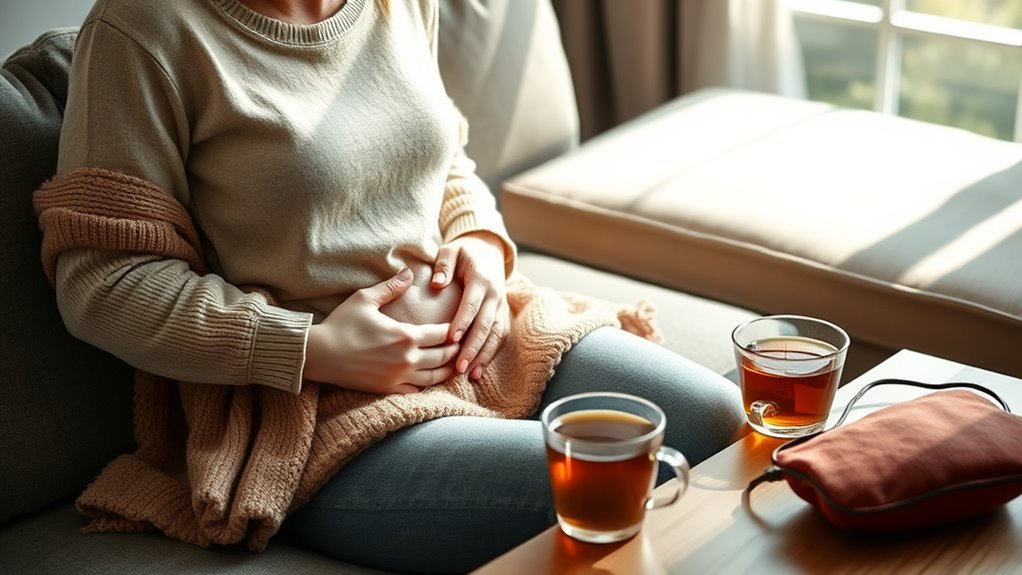
While cramping after a Pap smear can vary from person to person, you’ll typically experience mild discomfort that lasts only a few hours. The intensity is usually light, resembling menstrual cramps or a dull ache in your lower abdomen.
Some people might feel a brief sharp pinch during the procedure, followed by a lingering soreness afterward. It’s normal for cramping to peak within the first hour and gradually ease as your body recovers.
If you notice cramps persisting beyond 24 hours or increasing in severity, that’s less common and worth checking with your healthcare provider. Remember, your body’s response depends on factors like your pain tolerance and cervical sensitivity.
But most find the discomfort manageable and short-lived. So, try not to worry too much—it usually passes pretty quickly.
Effective Home Remedies to Relieve Discomfort
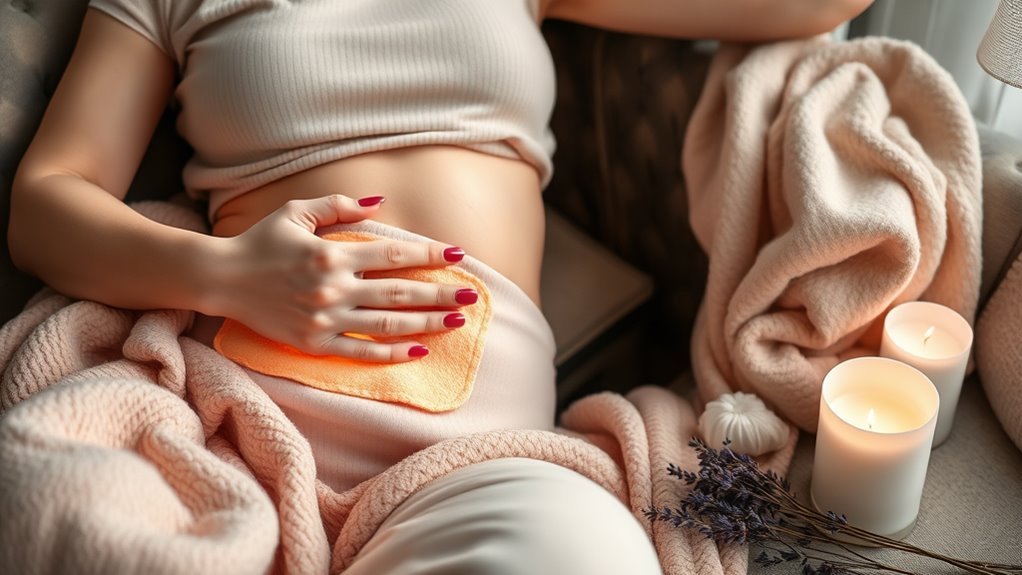
Most mild cramping after a Pap smear eases on its own within a few hours. But if you want to speed up your comfort, there are simple home remedies you can try. You don’t have to suffer unnecessarily—these tips can help soothe your discomfort quickly.
Mild cramping after a Pap smear usually fades quickly, but simple home remedies can ease your discomfort faster.
- Apply a warm compress: Place a heating pad or warm towel on your lower abdomen to relax muscles and reduce cramping.
- Take over-the-counter pain relief: Medications like ibuprofen or acetaminophen can ease pain effectively.
- Stay hydrated: Drinking plenty of water helps your body heal and can reduce cramping.
- Rest and avoid strenuous activity: Give your body time to recover by taking it easy for a few hours.
Using these strategies will help you feel better faster. Give them a try!
When to Seek Medical Advice for Post-Pap Smear Cramping
If your cramping after a Pap smear worsens or lasts more than a day, you should contact a healthcare professional. While mild discomfort is common, persistent or intense pain might signal infection or other issues needing prompt attention.
Watch for symptoms that go beyond normal cramping.
| Symptom | What It Might Mean |
|---|---|
| Severe pain lasting >24 hrs | Possible infection or injury |
| Heavy bleeding | Could indicate cervical trauma |
| Fever or chills | Sign of infection |
| Foul-smelling discharge | Infection needing treatment |
| Dizziness or fainting | Urgent medical evaluation |
Don’t hesitate to seek help if you notice these signs. Your health and peace of mind are worth it.
Tips for Preparing for Your Next Pap Smear Appointment
Before your next Pap smear appointment, taking a few simple steps can help guarantee the process goes smoothly and with minimal discomfort. Being prepared mentally and physically can reduce anxiety and make the experience easier.
Here are four tips to prepare:
- Schedule wisely: Avoid your period days; the best time is 10-20 days after menstruation ends.
- Avoid vaginal products: Don’t use tampons, douches, or creams 48 hours before the test.
- Communicate concerns: Tell your healthcare provider about past discomfort or medical issues.
- Relax and breathe: Practice deep breathing before and during the appointment to ease tension.
Following these tips can help you feel more comfortable and confident during your Pap smear.
Common Myths and Facts About Pap Smear Aftereffects
You might hear some confusing stories about what happens after a Pap smear, but not all of them are true.
It’s important to separate common myths from actual side effects like mild cramping or spotting.
Let’s clear up what you can really expect after your appointment.
Pap Smear Side Effects
Though many people experience some discomfort after a pap smear, it’s important to separate common myths from facts about its side effects. You might notice mild cramping or spotting, which usually resolves quickly.
However, serious complications are rare. Here are four key side effects you should know about:
- Mild cramping or pelvic discomfort lasting a few hours is normal.
- Light spotting or pinkish discharge can happen but should stop within a day.
- Heavy bleeding or severe pain is uncommon and warrants medical attention.
- You won’t experience long-term effects from a routine pap smear.
Understanding these side effects helps you stay calm and know when to seek care if something feels off. Just keep an eye on how you feel, and don’t hesitate to reach out to your doctor if you’re worried.
Debunking Aftereffect Myths
While pap smears are routine, many myths about their aftereffects still cause unnecessary worry. You might hear that pap smears cause severe pain or long-lasting complications, but these are often exaggerated.
Understanding the facts helps you stay calm and know when to seek help.
| Myth | Fact |
|---|---|
| Pap smears cause severe, lasting pain | Mild cramping or spotting is normal and brief |
| You can’t have sex after a pap smear | Light activity, including sex, is usually safe after discomfort subsides |
| Pap smears cause infections | The procedure is sterile, minimizing infection risk |
| Bleeding means something’s wrong | Light spotting is common and not worrisome |
| Pap smears detect all cervical issues | They mainly screen for abnormal cells, not all conditions |
Conclusion
Cramping after a Pap smear is like a brief ripple in calm water—usually mild and short-lived. You can manage it easily with simple home remedies and by knowing what’s normal.
If the discomfort lingers or worsens, don’t hesitate to reach out to your healthcare provider. Preparing well for your next appointment can also ease your mind.
Remember, understanding your body helps you navigate these moments with confidence and care. Managing cramping after a Pap smear is straightforward when you recognize what’s normal and when to seek help. Stay informed, listen to your body, and take gentle care of yourself after the test. This way, you can handle any post-Pap smear cramping with ease and peace of mind.