How to Identify and Use Recycled Tissue Paper
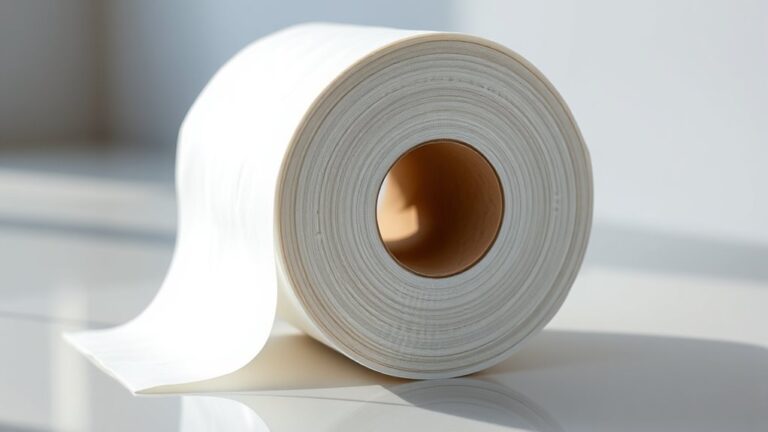
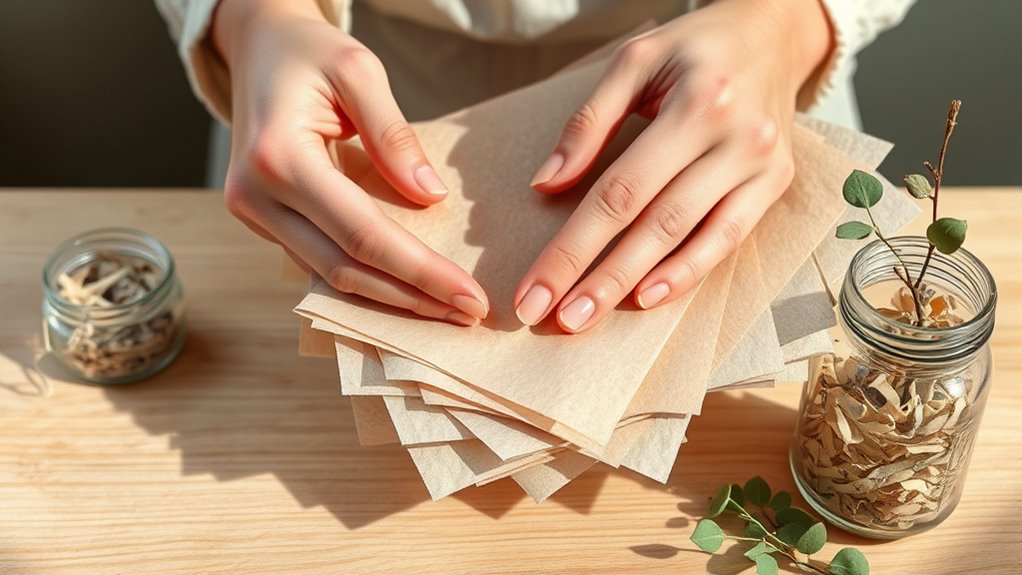
You can identify recycled tissue paper by its slightly rougher texture and off-white, speckled look, unlike the smooth, bright appearance of regular tissue. It’s thicker and offers a natural, fibrous feel. These unique features make it easy to spot if you know what to look for.
Use recycled tissue paper to wrap gifts gently, add cushioning, or create eco-friendly crafts like paper flowers and garlands. It’s perfect for anyone wanting to reduce waste and add a natural touch to their projects.
Just remember to store it flat and dry to keep it in good shape.
If you want to explore more ways to spot and creatively use recycled tissue, there’s plenty to discover. It’s a fun and sustainable choice that helps the environment while adding charm to your everyday wrapping and crafting.
Understanding the Composition of Recycled Tissue Paper
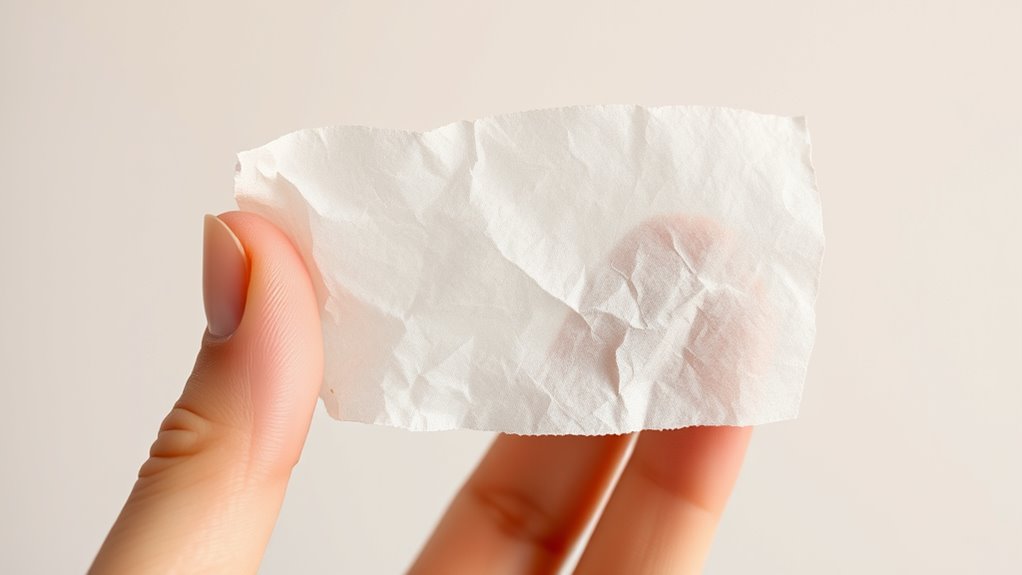
Although recycled tissue paper looks similar to regular tissue, its composition differs markedly. When you use recycled tissue, you’re handling fibers that come from previously used paper products rather than fresh wood pulp.
These fibers go through cleaning and reprocessing to remove inks and contaminants, but they tend to be shorter and less uniform than virgin fibers. Because of this, recycled tissue often includes a blend of fibers from various sources, including office paper, newspapers, and cardboard.
You’ll find that manufacturers sometimes add additives or binders to improve strength and softness. Understanding this helps you appreciate why recycled tissue is eco-friendly—it reduces waste and conserves natural resources by reusing materials instead of relying solely on new pulp.
Visual and Textural Differences Between Recycled and Regular Tissue Paper
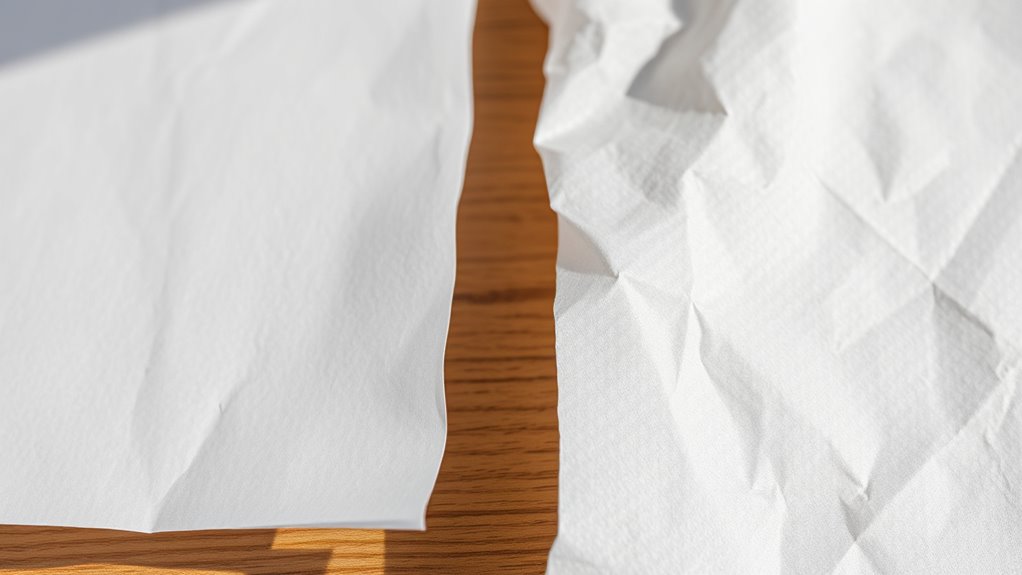
When you compare recycled tissue paper to regular tissue, you’ll notice distinct visual and textural differences that reflect their unique compositions. Recycled tissue often has a slightly rougher texture and a less uniform appearance due to the varied fibers.
Regular tissue tends to be smoother and whiter, as it’s made from virgin pulp with fewer impurities.
| Feature | Recycled Tissue Paper | Regular Tissue Paper |
|---|---|---|
| Texture | Slightly rough, fibrous | Smooth, soft |
| Color | Off-white, sometimes grayish | Bright white |
| Uniformity | Less consistent fibers | Even, consistent texture |
| Thickness | Usually slightly thicker | Thin and delicate |
| Appearance | Natural, sometimes speckled | Clean, polished |
These differences help you identify recycled tissue at a glance. So next time you’re choosing tissue, you can tell which is which just by looking and feeling!
Environmental Benefits of Choosing Recycled Tissue Paper
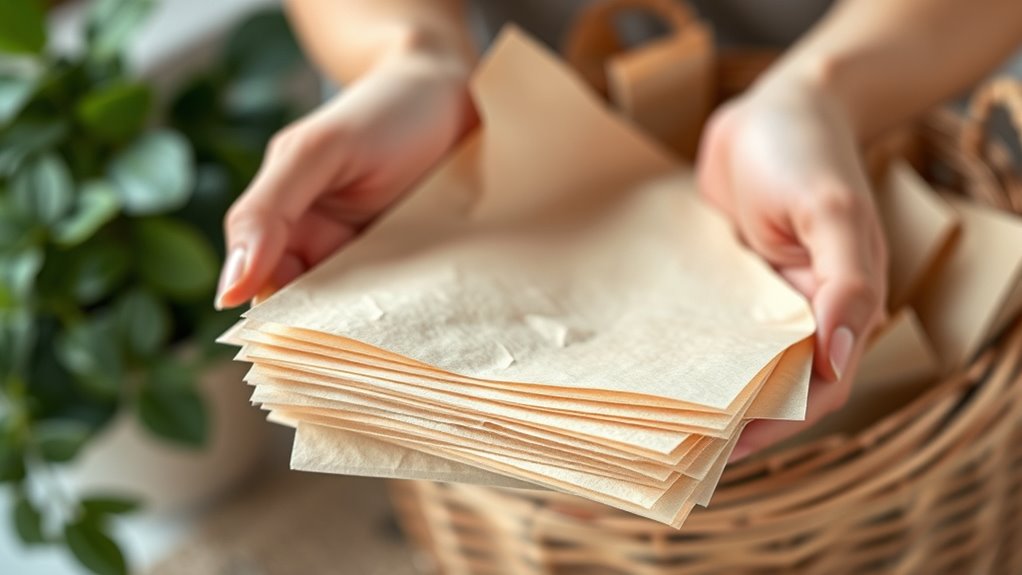
When you choose recycled tissue paper, you help reduce the need for cutting down trees, which protects forests. You also lower your carbon footprint since recycled products require less energy to produce.
These simple choices really make a big difference for the environment. It’s a small step that adds up when lots of people get involved.
Reducing Deforestation Impact
Because recycled tissue paper uses fibers from previously processed materials, it considerably lessens the need to cut down trees for new pulp. When you choose recycled tissue, you directly support forest conservation by reducing demand for virgin wood.
This means fewer trees are felled, preserving habitats and maintaining biodiversity. You also help protect soil quality and prevent erosion, since intact forests stabilize ecosystems better than cleared land.
By opting for recycled products, you encourage industries to adopt sustainable practices, creating a positive ripple effect in forest management. Every time you pick recycled tissue paper, you contribute to slowing deforestation and its damaging consequences.
It’s a simple way to make a meaningful environmental impact without changing your daily routine.
Lowering Carbon Footprint
Although it might seem like a small choice, using recycled tissue paper considerably lowers your carbon footprint. When you opt for recycled tissue, you reduce the demand for virgin pulp, which requires energy-intensive harvesting and processing.
This means less fuel consumption and fewer greenhouse gas emissions throughout the production cycle. Plus, recycled tissue paper often uses less water and energy compared to making products from new fibers.
By choosing recycled options, you actively support a circular economy that minimizes waste and conserves resources. Every time you pick recycled tissue paper, you’re helping cut down on pollution and energy use, making a tangible impact on climate change.
You’ll feel good knowing your everyday choice contributes to a healthier planet. It’s a simple switch that really makes a difference!
Common Uses for Recycled Tissue Paper in Gift Wrapping
You can use recycled tissue paper to add a unique touch to your gift presentation while keeping it eco-friendly. It’s perfect for wrapping delicate items or layering inside gift bags for a polished look.
Choosing recycled tissue paper helps reduce waste and shows you care about the planet. Plus, it’s an easy way to make your gifts look thoughtful and stylish at the same time.
Enhancing Gift Presentation
How can recycled tissue paper transform your gift presentation? By adding texture and color, it instantly elevates your gift’s look. You can use it to wrap delicate items, giving them a soft, protective layer while enhancing visual appeal.
Layering different shades creates depth and interest, making your gift stand out. Instead of plain boxes, line gift bags with recycled tissue paper for a polished finish. You can also crumple or fluff it to add volume and a festive touch.
Pair it with natural twine or recycled ribbons to keep the eco-friendly theme consistent. With recycled tissue paper, you add personality and charm to every gift, showing thoughtfulness beyond the present itself. It’s a simple way to impress without extra cost or waste.
Eco-Friendly Wrapping Benefits
When choosing gift wrap, opting for recycled tissue paper not only reduces environmental impact but also supports sustainable practices. You can use it to wrap gifts, cushion fragile items, or create decorative accents, all while minimizing waste.
Its eco-friendly nature means you’re lessening your carbon footprint and promoting responsible consumption. Pretty cool, right?
| Use Case | Benefit | Ideal For |
|---|---|---|
| Gift Wrapping | Reduces plastic use | Birthdays, holidays |
| Cushioning | Protects fragile items | Glassware, ceramics |
| Decorative Accents | Enhances presentation | Bows, flowers, layering |
Creative Crafting Ideas With Recycled Tissue Paper
Although recycled tissue paper might seem simple, it offers endless possibilities for creative crafting. You can transform it into vibrant, eco-friendly projects that add a personal touch to gifts or home decor.
Recycled tissue paper opens up endless creative possibilities for vibrant, eco-friendly crafts that personalize gifts and decor.
Its lightweight texture makes it perfect for layering and shaping, so you can let your imagination run wild. Here are three creative ideas to get you started:
- Handmade Paper Flowers: Cut and layer tissue paper to craft delicate blooms that brighten up any room.
- Decorative Garland: String together colorful tissue paper shapes for festive, reusable decorations.
- Collage Art: Tear and arrange recycled tissue paper pieces to create unique, textured artwork.
Tips for Proper Storage and Handling of Recycled Tissue Paper
Since recycled tissue paper is delicate and prone to tearing or wrinkling, you’ll want to store it carefully to maintain its quality. Keep it flat or rolled loosely to prevent creases.
Avoid stacking heavy items on top, as pressure can cause permanent damage. Store your tissue paper in a dry, cool place away from direct sunlight to prevent fading and moisture absorption.
When handling, make sure your hands are clean and dry to avoid transferring oils or dirt. If you need to cut or fold the paper, do so gently to minimize stress on the fibers.
Using a protective cover like a plastic sleeve or a box can also shield your recycled tissue paper from dust and accidental spills. Proper care guarantees it stays usable for all your creative needs.
Conclusion
You might worry recycled tissue paper won’t look as vibrant or feel as soft as regular tissue, but you’ll be surprised how well it holds up. By choosing recycled tissue paper, you’re not just wrapping gifts—you’re making an eco-friendly choice that reduces waste and supports sustainability.
Plus, with its unique textures and colors, it adds a charming, creative touch to your projects. Give it a try—you’ll love the difference it makes! Embracing recycled tissue paper not only helps the environment but also brings a fresh, artistic vibe to your wrapping and crafts. So next time you’re looking to wrap a gift or add flair to a project, consider recycled tissue paper—it’s a simple way to be kind to the planet while keeping your creations stylish and vibrant.