What Makes Paper Compostable?
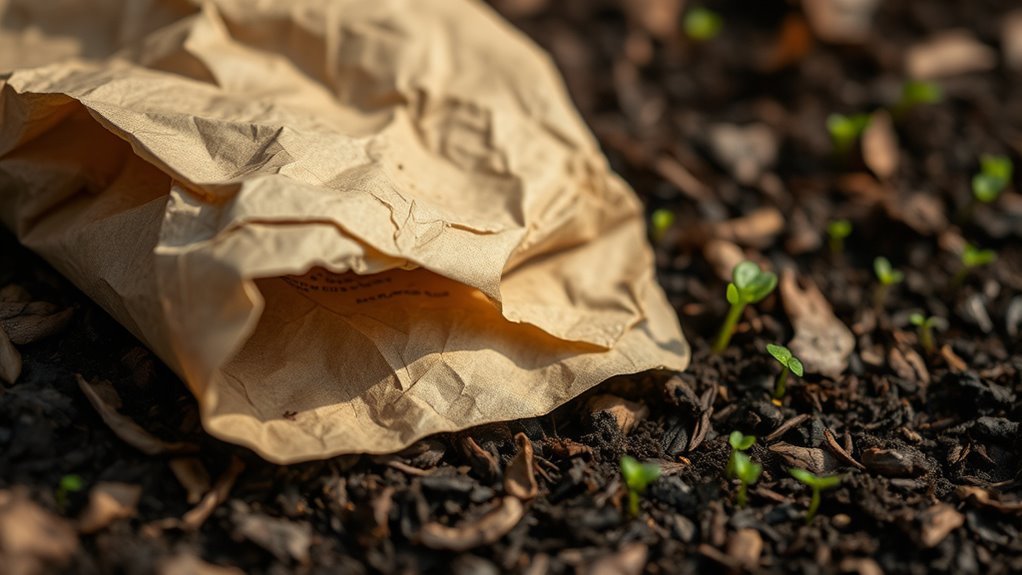
You can compost paper when it’s made from natural fibers like cellulose and doesn’t have plastic coatings, wax, or harmful additives that block breakdown. Water-based inks and biodegradable coatings help microbes digest the paper faster.
Avoid glossy, heavily printed, or treated papers, as they slow decomposition and may leave residues. Keeping moisture balanced also boosts composting.
If you want to understand how different paper types, inks, and materials affect compostability, there’s more to uncover.
Let’s dive deeper into what makes paper truly compostable!
Understanding Compostability in Paper
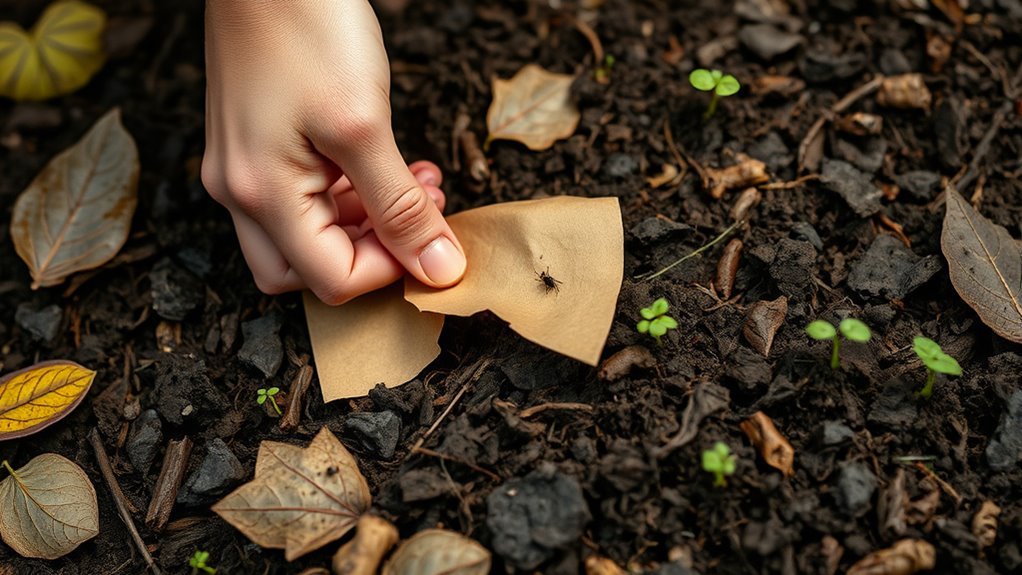
Although paper is often seen as biodegradable, not all types break down easily in compost environments. You might assume any paper can go in your compost bin, but factors like coatings, inks, and treatments affect how quickly it decomposes.
Compostable paper typically lacks synthetic additives and is made from natural fibers that microbes can consume. When you add compostable paper to your pile, it provides carbon, a vital element for maintaining balance.
You’ll notice that it turns into rich, dark humus within weeks under the right conditions. However, papers with plastics or heavy dyes resist breakdown and can contaminate your compost.
To guarantee your paper is truly compostable, look for labels or certifications that confirm its suitability for composting. This awareness helps you manage waste responsibly.
Key Components That Affect Paper Decomposition
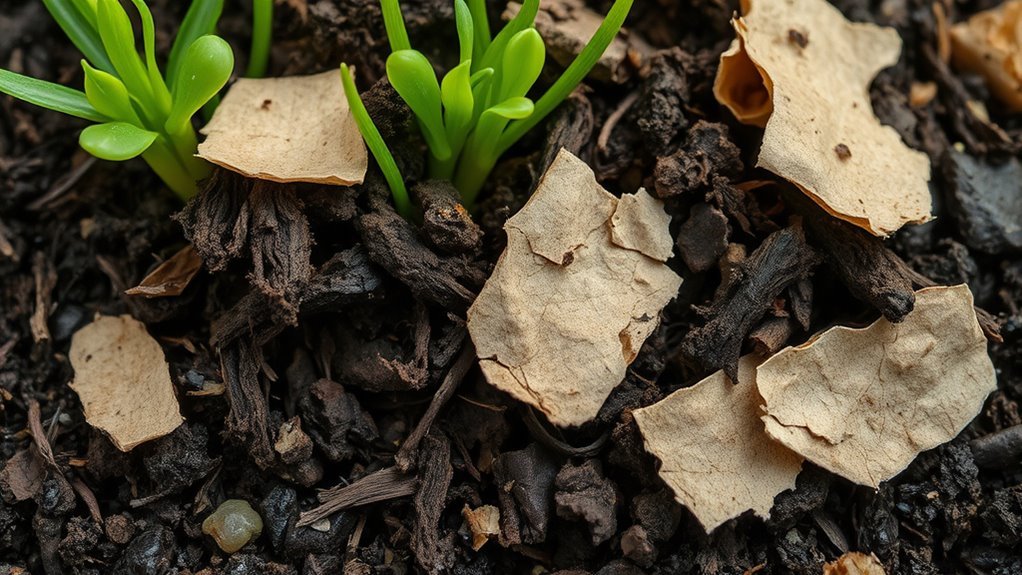
You’ll find that the type of fibers in paper greatly influences how quickly it breaks down. Plus, inks and coatings can either slow decomposition or speed it up depending on their composition.
Finally, moisture and microbes play a vital role in turning paper into compost. They work together to break the paper down effectively. It’s pretty cool how all these factors come into play!
Fiber Content Impact
How does the fiber content in paper influence its ability to break down during composting? The type and quality of fibers directly affect decomposition speed. Natural fibers like cellulose from wood or plants break down more easily because microbes can digest them quickly.
If the paper contains high amounts of recycled fibers, it might compost slower since these fibers are shorter and more processed. On the other hand, papers made from virgin fibers tend to decompose faster due to their longer, less damaged fibers.
When you choose compostable paper, look for those with high cellulose content and minimal synthetic additives. The fiber structure determines how well water and microbes penetrate, which speeds up or slows down breakdown.
Ink and Coating Effects
Why do inks and coatings substantially impact paper’s breakdown in composting? When you compost paper, the type of ink and coating on it can either speed up or slow down decomposition.
Water-based inks usually break down easily, so they won’t interfere with the composting process. On the other hand, inks with heavy metals or synthetic chemicals can leave harmful residues and prevent microbes from fully breaking down the paper.
Similarly, coatings like plastic or wax create barriers that resist moisture and microbial action, delaying decomposition.
If you want your paper to compost efficiently, choose products printed with eco-friendly inks and minimal or biodegradable coatings. That way, you ensure the paper returns to the soil without leaving toxic leftovers or slowing the natural cycle.
Moisture and Microbes
Inks and coatings play a big role in how paper breaks down, but moisture and microbes are the real drivers behind decomposition. When you compost paper, you need to guarantee it stays moist because water activates the microbes that digest the fibers.
Without enough moisture, microbes slow down or stop working altogether. These tiny organisms break paper into nutrients that enrich your compost pile.
Here’s what you should keep in mind about moisture and microbes:
- Moisture softens paper fibers, making them easier to decompose
- Microbes need a humid environment to thrive
- Overly wet conditions can cause anaerobic bacteria, leading to odor
- Balanced moisture encourages beneficial bacteria and fungi
- Regularly turning compost improves oxygen flow, helping microbes work efficiently
Types of Paper Suitable for Composting
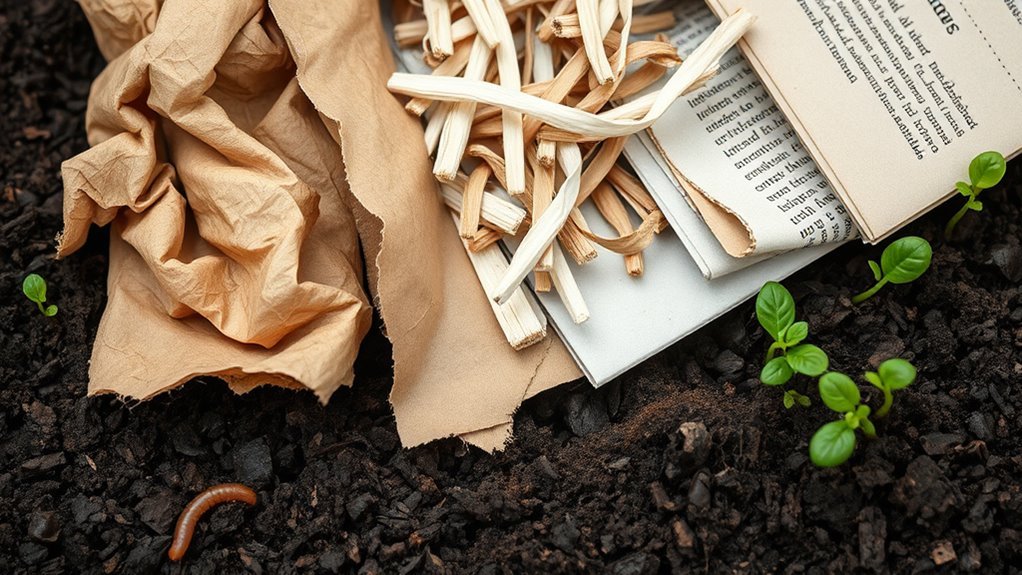
You’ll want to choose common compostable papers like uncoated cardboard, newspaper, and plain paper towels. These are great because they break down easily and add valuable carbon to your compost.
Avoid papers with glossy finishes, plastic coatings, or heavy inks. Those additives can harm your compost and slow down the decomposition process.
Knowing which papers break down safely helps you keep your compost pile healthy and effective. It’s all about making smart choices to get the best results!
Common Compostable Paper Types
Which types of paper can you safely add to your compost pile without worry? You want papers that break down naturally and don’t contain harmful chemicals. Here are common compostable paper types you can include:
- Newspaper (avoid glossy inserts)
- Cardboard (plain, uncoated)
- Paper towels and napkins (used, not with chemicals)
- Printer and office paper (unbleached or lightly bleached)
- Paper bags (brown kraft paper)
These papers are primarily made from natural fibers, making them excellent for composting. Avoid glossy, heavily printed, or coated papers to ensure your compost stays healthy.
Paper Additives to Avoid
Although many papers are compostable, you should avoid those containing certain additives that hinder decomposition or release toxins. Coatings like plastic, wax, or polyethylene prevent paper from breaking down properly in your compost pile.
Glossy or laminated papers often have these coatings, making them unsuitable. Additionally, papers with heavy inks or dyes can introduce harmful chemicals into your compost. Avoid shiny magazines, colored flyers, and thermal papers (like receipts), as they contain chemicals that don’t degrade well.
Also, steer clear of papers treated with bleach or other harsh chemicals. Instead, choose unbleached, plain paper or those labeled compostable. By being mindful of these additives, you’ll ensure your compost stays healthy and free from contaminants, promoting faster breakdown and richer soil for your garden.
How Inks and Additives Impact Compostability
Because inks and additives directly interact with the paper’s surface, they play a crucial role in determining whether the material breaks down effectively in compost. When you choose paper for composting, consider how these components affect biodegradability.
Inks and additives on paper significantly impact how well it decomposes in compost.
Some inks contain heavy metals or synthetic pigments that hinder decomposition. Additives like plastic coatings or adhesives can also slow down or prevent composting. So, it’s important to be mindful of what’s in the ink and additives.
To guarantee better compostability, look for:
- Soy-based or vegetable-based inks
- Water-soluble dyes
- Absence of metallic pigments
- Minimal use of synthetic additives
- No plastic or wax coatings
These choices make a big difference if you want your paper to break down naturally and quickly in a compost pile.
Preparing Paper for Composting
How can you guarantee your paper composts efficiently? Start by tearing or shredding it into smaller pieces. Smaller bits break down faster because they increase the surface area for microbes to work on.
Make sure to remove any staples, tape, or plastic coatings. These materials don’t compost well and can contaminate your pile.
Avoid glossy or heavily inked papers since they decompose slower and may contain harmful chemicals. Before adding paper to your compost, balance it with “green” materials like food scraps or grass clippings. This helps maintain the right carbon-to-nitrogen ratio.
Keep your compost moist but not soggy, and turn it regularly to aerate the pile. This will speed up decomposition.
Environmental Benefits of Composting Paper
Why should you compost paper instead of tossing it in the trash? Composting paper reduces waste in landfills, cutting down methane emissions and conserving space.
When you compost paper, you actively improve soil health and support sustainable gardening. It’s a simple way to make a big difference.
Here are key environmental benefits you gain:
- Reduces landfill waste and greenhouse gases
- Returns valuable nutrients to the soil
- Decreases reliance on chemical fertilizers
- Conserves natural resources by recycling organic matter
- Supports microbial ecosystems essential for soil vigor
Composting paper is an easy step toward a greener lifestyle. Give it a try—you’ll help the planet and your garden thrive!
Conclusion
Now that you know what makes paper compostable, you can see how easy it is to reduce waste. Did you know that about 68% of paper waste can be composted?
By choosing the right types of paper and avoiding harmful inks or additives, you’re helping the environment thrive. Composting paper turns scraps into nutrient-rich soil, which supports plant growth and reduces landfill waste.
So, next time you toss that scrap paper, remember—it’s not just trash, it’s a chance to create rich soil and support a healthier planet. Compostable paper plays a key role in waste reduction and sustainable living. Making simple choices with compostable paper helps protect natural resources and promotes a greener future for everyone.