
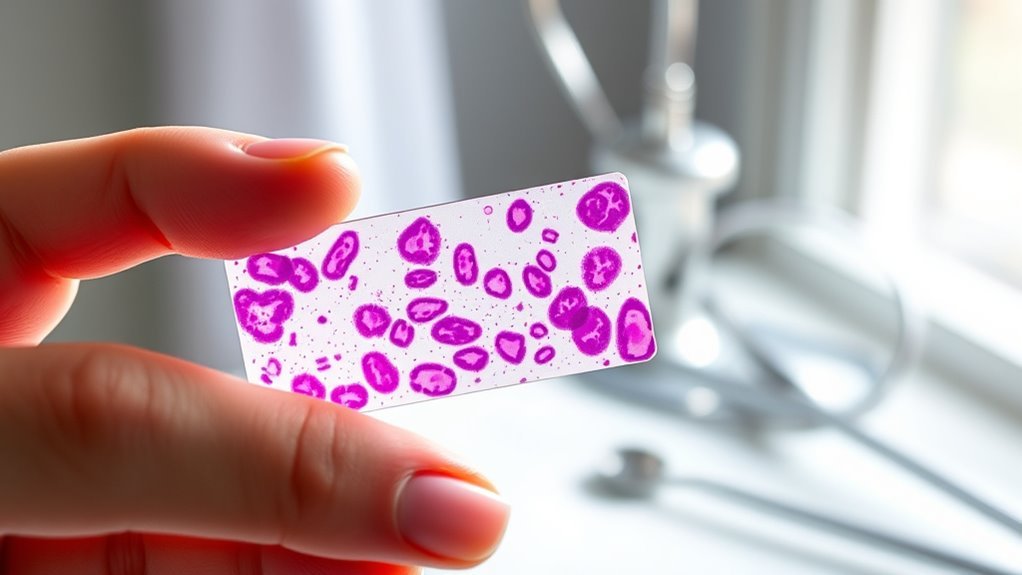
What Causes an Abnormal Pap Smear?
You get an abnormal Pap smear when your cervical cells show changes due to infections like HPV or other irritants, inflammation, or benign conditions such as squamous metaplasia or polyps. These changes can be surprising, but they often don’t mean cancer.
Inflammation and minor trauma can cause temporary cellular changes that mimic abnormalities.
While many causes aren’t cancerous, it’s important to follow up for proper evaluation and treatment. Getting a clear understanding of what caused the abnormal Pap smear helps you know what’s going on and what steps to take next.
So, if you get an abnormal result, remember it’s just a sign to look a little closer, not a diagnosis to worry about right away.
Understanding Pap Smear Results

How do you make sense of your Pap smear results? When you get your report, it typically categorizes cells as normal, unclear, or abnormal.
Normal means your cervical cells look healthy. Unclear or atypical results suggest some changes that aren’t typical but aren’t necessarily dangerous.
Normal cells indicate health, while unclear or atypical results show changes that may not be harmful.
Abnormal results indicate that some cells don’t look right and may need further testing. Your healthcare provider will explain what these findings mean for you and whether you need additional tests like a colposcopy or repeat Pap smear.
Remember, an abnormal result doesn’t always mean cancer—it often points to minor cell changes that can resolve on their own or be treated.
Staying informed and following your provider’s advice keeps you proactive about your cervical health.
Human Papillomavirus (HPV) and Its Role
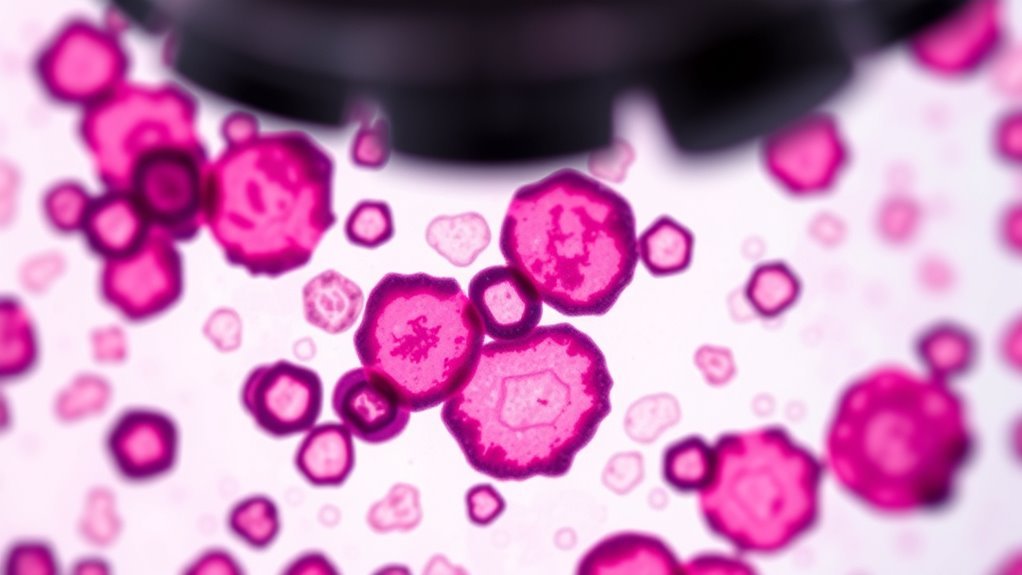
You should know that certain types of HPV carry higher risks for causing abnormal Pap smears. The virus spreads mainly through sexual contact, making transmission common.
Once HPV infects your cervical cells, it can cause changes that lead to abnormalities detected in Pap tests. So, it’s important to be aware of how this virus works.
HPV Types and Risks
Although many types of human papillomavirus (HPV) exist, only some pose a significant risk for causing abnormal Pap smears and cervical cancer. These high-risk HPV types, like HPV 16 and 18, are responsible for the majority of serious cervical changes.
When you have an infection with these types, your body’s cells may start to change abnormally, which shows up on a Pap smear. Low-risk types, such as HPV 6 and 11, usually cause harmless warts and rarely lead to abnormal Pap results.
Understanding which HPV type you have helps your healthcare provider assess your risk level and decide on the best follow-up. Staying informed about these differences empowers you to take control of your cervical health and follow recommended screening guidelines.
Viral Transmission Methods
Understanding the types of HPV that affect your cervical health also involves knowing how the virus spreads. HPV primarily transmits through skin-to-skin contact during vaginal, anal, or oral sex with someone who carries the virus.
You don’t have to have intercourse; even close genital contact can transfer HPV. Since many people with HPV show no symptoms, you might unknowingly pass it to others or contract it yourself.
Using condoms reduces but doesn’t eliminate your risk because HPV can infect areas not covered by a condom. Additionally, the virus can spread through intimate touching, making it important to practice safe sexual habits and get regular screenings.
Knowing how HPV transmits helps you take steps to protect your cervical health effectively.
Impact on Cervical Cells
How exactly does HPV affect your cervical cells? When HPV infects these cells, it can disrupt their normal function and trigger abnormal changes.
Here’s what happens:
- Viral Integration: High-risk HPV types insert their DNA into your cervical cells, altering how they grow and divide.
- Cellular Transformation: The virus produces proteins that interfere with your cell’s tumor suppressors, leading to uncontrolled cell growth.
- Abnormal Cell Appearance: These changes cause your cervical cells to look abnormal under a microscope, which is what a Pap smear detects.
This disruption increases the risk of precancerous lesions and, if untreated, cervical cancer.
Understanding HPV’s role helps you appreciate why regular screenings and follow-ups are vital for your cervical health.
Infections That Affect Cervical Cells
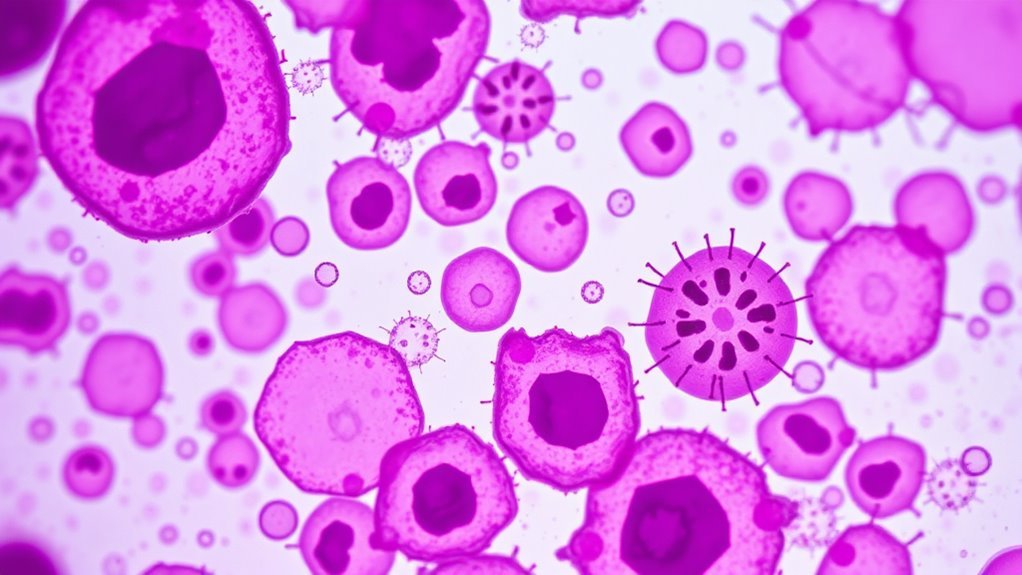
When infections invade the cervix, they can cause changes in your cervical cells that show up on a Pap smear. Common infections like human papillomavirus (HPV), herpes simplex virus (HSV), and bacterial vaginosis can alter the appearance of these cells.
HPV, especially high-risk strains, is a major cause of abnormal Pap results because it can lead to precancerous changes. Other infections, such as trichomoniasis or yeast infections, might also affect cell structure but usually cause temporary changes.
Your immune system’s response to these infections can make cells look atypical, prompting further testing. Treating the infection often helps normalize your cervical cells, but persistent infections may require closer monitoring.
Understanding these infections helps you grasp why your Pap smear might come back abnormal and what steps to take next.
Inflammation and Its Impact on Test Outcomes
Infections don’t just change cervical cells—they often trigger inflammation, which can influence your Pap smear results. When your cervix becomes inflamed, it can make interpreting the test more challenging.
Here’s how inflammation impacts your results:
- Cellular Changes: Inflammation can cause cells to appear abnormal, even if they aren’t precancerous.
- Obscured Samples: Excess mucus and white blood cells from inflammation may cover abnormal cells, hiding important details.
- False Positives: Your test might show abnormalities caused by irritation, leading to unnecessary follow-up procedures.
Understanding inflammation’s role helps you and your healthcare provider interpret Pap smears more accurately. If you have an abnormal result, they might recommend treating inflammation first and repeating the test to get a clearer picture.
Non-Cancerous Cellular Changes
You might see abnormal cells on your Pap smear that aren’t cancerous but result from reactive changes due to inflammation or infection. Sometimes, benign growth patterns can also cause these non-cancerous cellular changes.
Understanding these factors helps you avoid unnecessary worry when interpreting results. It’s good to keep in mind that not all abnormal cells mean something serious. So, try not to stress if your Pap smear shows these kinds of changes.
Reactive Cellular Changes
Although an abnormal Pap smear can be alarming, not all changes indicate cancer. Sometimes, your cells undergo reactive cellular changes, which are non-cancerous and often temporary.
These changes happen when your cervical cells respond to irritation or trauma. Here are three common causes:
- Physical trauma: Activities like sexual intercourse or medical exams can cause minor cell injury.
- Chemical exposure: Substances such as douches or spermicides may irritate your cervical lining.
- Hormonal fluctuations: Changes during your menstrual cycle or pregnancy can alter cell appearance.
Understanding these causes helps you avoid unnecessary worry. Your healthcare provider can usually distinguish reactive changes from serious conditions.
They’ll guide you on appropriate next steps, so you’re not left wondering what to do.
Inflammation and Infection
When your cervix becomes inflamed or infected, your Pap smear might show abnormal cells even though there’s no cancer present. Inflammation and infection can cause changes in the cells that your doctor sees under the microscope, leading to an abnormal result.
Common infections include bacterial vaginosis, yeast infections, and sexually transmitted infections like chlamydia or herpes. Treating these infections often resolves the abnormal findings.
| Infection Type | Effect on Pap Smear |
|---|---|
| Bacterial Vaginosis | Causes inflammation, abnormal cells |
| Yeast Infection | Leads to reactive cellular changes |
| STIs (e.g., chlamydia) | Can cause inflammation and cell abnormalities |
If you have an abnormal Pap smear due to infection, your healthcare provider will recommend appropriate treatment and follow-up testing. They’ll make sure to help clear up the infection and monitor your cervical health.
Benign Growth Patterns
Since benign growth patterns don’t involve cancer, they often cause changes in your cervical cells that appear abnormal on a Pap smear but aren’t harmful. These patterns reflect non-cancerous cellular changes that can trigger concern but usually don’t require aggressive treatment.
Here are three common benign growth patterns you might encounter:
- Squamous metaplasia – a normal process where one type of cell transforms into another, often due to irritation or hormonal changes.
- Reactive cellular changes – your cells respond to inflammation or minor trauma, making them look different but not dangerous.
- Papillomas or benign polyps – small growths that can cause cellular abnormalities but aren’t precancerous.
Understanding these patterns helps you stay informed and reduces unnecessary worry about your Pap smear results. So, if you hear these terms, remember they’re usually nothing to stress about!
When to Seek Further Evaluation
You should seek further evaluation promptly if your Pap smear results show abnormalities. Early follow-up can help identify and address potential issues before they progress.
Your healthcare provider may recommend additional tests like a colposcopy or biopsy to get a clearer picture of your cervical health. Don’t delay scheduling these appointments, especially if you experience symptoms such as unusual bleeding, pelvic pain, or discomfort during intercourse.
If your Pap smear shows high-grade changes or persistent low-grade abnormalities, timely evaluation is *essential*. Staying on top of follow-up care enhances your chances of successful treatment and reduces the risk of cervical cancer.
Always communicate openly with your doctor about any concerns or symptoms you notice between visits. It’s better to ask than to wait when it comes to your health.
Conclusion
If you get an abnormal Pap smear, don’t panic—it’s more common than you might think. In fact, about 5% of Pap smears show abnormal results, often due to HPV or infections.
These changes usually aren’t cancer but signal that your cells need closer monitoring. Understanding these causes helps you stay proactive about your health.
Always follow up with your healthcare provider to make certain any issues are caught early and managed effectively. Remember, an abnormal Pap smear is a warning sign, not a diagnosis.
By staying informed about what causes an abnormal Pap smear and maintaining regular screenings, you can take charge of your cervical health and prevent potential complications before they develop.