How to Prepare for a Pap Smear Test to Avoid Painful Experience
To avoid pain during your Pap smear, timing is key. Try to schedule your test mid-cycle, not during your period. This helps reduce discomfort and gives a clearer result.
Also, avoid sex, tampons, douching, and vaginal products for at least 48 hours before your test. These can irritate the area and affect the accuracy of the test.
Make sure to communicate any concerns or your medical history with your healthcare provider. Sharing this info helps them make you feel more comfortable during the exam.
When it’s time for the test, practice deep breathing to help relax your body. Staying calm can really reduce any pain or tension you might feel.
After your Pap smear, be gentle with hygiene and avoid irritants like scented soaps or sprays. Taking these simple steps before and after your appointment can make the whole experience much more comfortable.
If you want to feel even more at ease, there are easy ways to prepare and relax both before and after your visit. It really makes a difference!
Understanding the Pap Smear Procedure
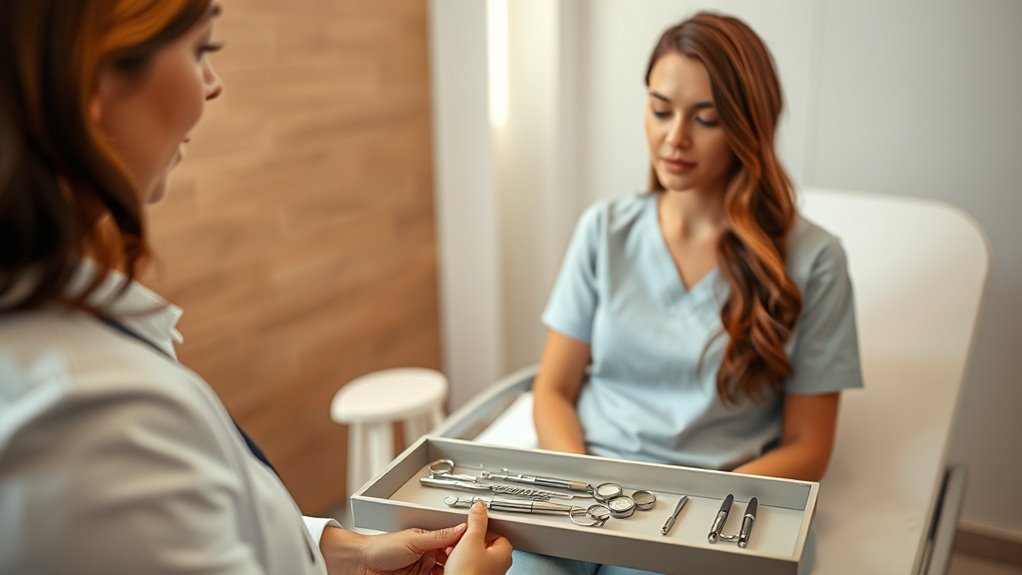
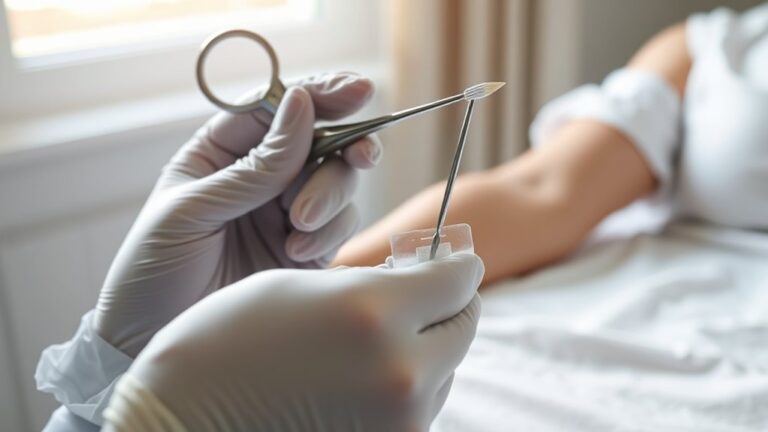
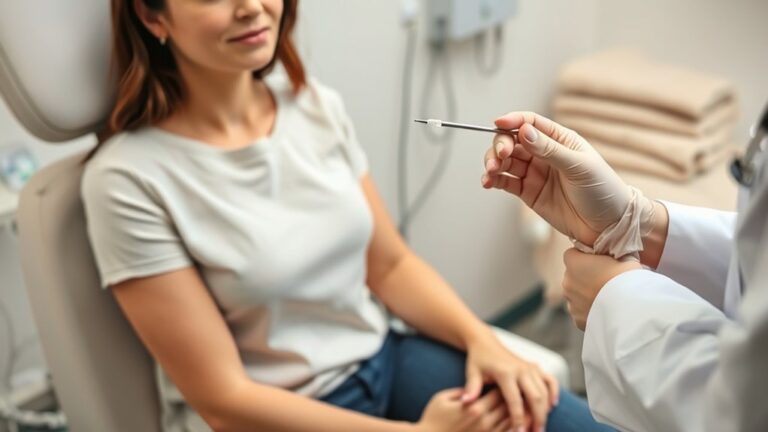
Before you go for your Pap smear, it’s helpful to know what the procedure involves. You’ll lie down on an exam table, usually with your feet in stirrups to keep your legs comfortably apart.
Your healthcare provider will gently insert a speculum into your vagina to widen it, allowing clear access to your cervix. Next, they’ll use a small brush or spatula to collect cells from your cervix’s surface.
This quick step might feel a little uncomfortable but shouldn’t be painful. After collecting the samples, the speculum is removed, and the cells are sent to a lab for analysis.
Knowing these steps can ease your mind and help you stay relaxed during the test. It makes the experience smoother and less stressful overall.
Timing Your Appointment for Optimal Comfort

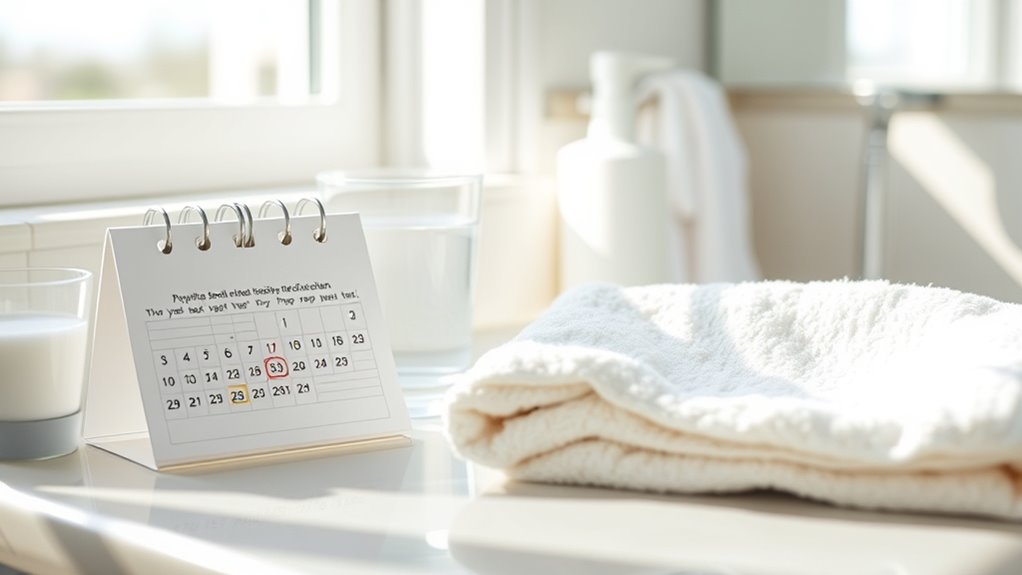
Although you can schedule your Pap smear anytime, choosing the right timing can make the experience more comfortable. Aim to book your appointment when you’re not on your period, as menstrual blood can interfere with test accuracy and make the procedure messier.
The best window is usually about 10 to 20 days after your period starts, during the mid-cycle when your cervix is less sensitive. Also, consider your personal schedule—pick a time when you’re relaxed and won’t feel rushed. This helps reduce anxiety and muscle tension.
If you’ve had recent sexual activity, wait at least 24 to 48 hours before your test, as this can affect results. By timing your appointment wisely, you’ll make the process smoother and less uncomfortable.
What to Avoid Before Your Pap Smear
To guarantee accurate results and a comfortable experience, there are certain activities and products you should avoid before your Pap smear. Refrain from using tampons, vaginal creams, lubricants, or medications for at least 48 hours prior, as they can interfere with the test.
Avoid douching, as it can alter the natural balance of your vaginal flora and affect accuracy. Steer clear of sexual intercourse for 24 to 48 hours before the test to prevent irritation or misleading results.
Also, don’t schedule your appointment during your menstrual period, as bleeding can obscure cell samples. Following these precautions helps assure your healthcare provider gets a clear, reliable sample, minimizing discomfort and the need for repeat testing.
Prioritize these steps for a smooth, effective Pap smear experience. It’s all about making sure you get the best care possible!
Communicating With Your Healthcare Provider
When you talk openly with your healthcare provider, you help make certain your Pap smear goes smoothly and addresses your concerns.
Don’t hesitate to share your medical history, any symptoms, or previous experiences with Pap smears, especially if you’ve felt pain or discomfort before.
Ask questions about what to expect during the test and voice any fears you might have. Clear communication lets your provider adjust techniques to help minimize discomfort.
If you’re worried about pain, tell them so they can take extra care. Also, discuss any medications or conditions that might affect the procedure.
Relaxation Techniques to Minimize Discomfort
Sharing your concerns and working closely with your healthcare provider sets a strong foundation for a more comfortable Pap smear.
To minimize discomfort during the test, try deep breathing exercises. Inhale slowly through your nose, hold for a few seconds, then exhale gently through your mouth. This helps relax your pelvic muscles and reduce tension.
You can also practice progressive muscle relaxation by tensing and then releasing different muscle groups, focusing on your legs and abdomen. Visualization techniques, like imagining a calm, peaceful place, can distract your mind from discomfort.
Arriving early to your appointment allows you to settle in and reduce anxiety. Remember, staying as relaxed as possible not only eases physical discomfort but also makes the procedure quicker and more efficient for you and your provider.
Aftercare Tips to Prevent Pain and Irritation
Although a Pap smear is usually quick and straightforward, you might experience some mild discomfort or spotting afterward. To ease any pain and prevent irritation, avoid using tampons or douching for at least 24 to 48 hours.
Stick to gentle hygiene—use warm water and mild soap without fragrances. Avoid sexual intercourse during this period to give your cervix time to heal.
If you feel cramping, try a warm compress or an over-the-counter pain reliever, but always follow the dosage instructions. Wearing breathable cotton underwear and loose clothing can also help reduce moisture and irritation.
If spotting continues beyond a few days, or if you experience severe pain, fever, or unusual discharge, make sure to contact your healthcare provider promptly. These simple steps will help ensure a smooth recovery after your test.
Conclusion
Preparing for your Pap smear doesn’t have to feel like a medieval ordeal. By timing your appointment wisely and avoiding certain activities beforehand, you can make the experience much smoother.
It also helps to openly communicate with your healthcare provider about any concerns or questions you have. Don’t forget to practice relaxation techniques before and during the test. These simple steps can really minimize discomfort.
Aftercare is important too, so be sure to follow any tips your provider gives you. Taking these easy precautions empowers you to face your Pap smear confidently and painlessly.
Remember, your health deserves care—not unnecessary suffering. Preparing well for your Pap smear test is key to avoiding a painful experience and ensuring the process is as comfortable as possible.