Is Eating Paper Bad and How Can You Stop the Habit Safely?
Eating paper can harm your digestive system and expose you to harmful chemicals or bacteria. This habit, known as pica when it involves eating non-food items, often stems from stress, boredom, or an underlying health condition.
Understanding why you might be drawn to eating paper is the first step toward stopping it safely.
You can start by replacing paper with healthier alternatives and managing emotional triggers through relaxation techniques.
Try finding other ways to cope with stress or boredom, like exercising or hobbies.
If you struggle to stop, seeking professional help is important for safe recovery.
Keep exploring to understand why this happens and how to overcome it effectively.
Remember, you’re not alone in this, and with the right support, you can break the habit for good.
Understanding Why People Eat Paper
Although eating paper might seem unusual, many people do it for various reasons. You might find yourself chewing on paper out of curiosity, boredom, or stress.
Eating paper can stem from curiosity, boredom, or stress, making it a surprisingly common behavior.
Sometimes, it’s a way to cope with anxiety or nervousness, much like nail-biting or fidgeting. For others, particularly kids, it can be a phase driven by curiosity or imitation.
In some cases, eating paper links to a condition called pica, where you crave non-food items due to nutritional deficiencies or mental health issues.
Understanding why you or someone else eats paper is essential—it’s often not about the paper itself but what it represents or the feelings it helps manage.
Recognizing these reasons is the first step toward addressing and safely stopping the habit.
Health Risks Associated With Eating Paper
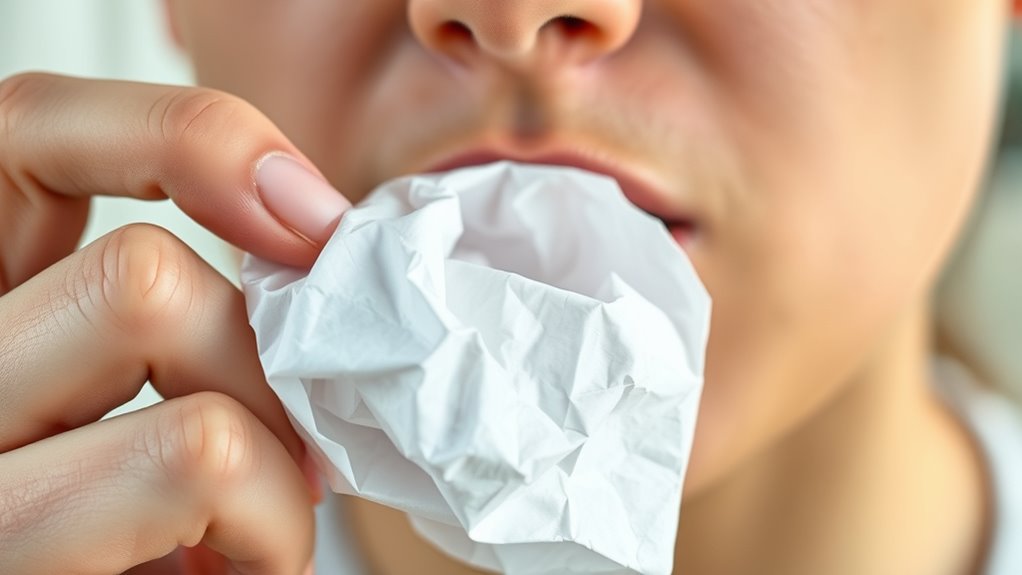
When you eat paper, it can irritate your digestive system and cause discomfort or blockages. You also risk ingesting harmful chemicals or contaminants found in certain types of paper.
Understanding these health risks is key to keeping yourself safe. So, it’s really best to avoid eating paper altogether. Your body will thank you!
Digestive System Impact
If you eat paper regularly, you might face several digestive issues that can affect your overall health. Paper isn’t designed to be digested, so it can cause blockages or irritation in your stomach and intestines.
You may experience abdominal pain, cramping, or constipation as your digestive system struggles to process the fibrous material. Over time, this strain can lead to inflammation or damage to the lining of your digestive tract.
Because paper lacks nutritional value, relying on it can also reduce your appetite for real food, leading to deficiencies. If you notice persistent stomach discomfort or changes in your bowel habits after eating paper, it’s important to seek medical advice.
This way, you can prevent more serious complications and get appropriate support to stop the habit safely. Don’t hesitate to reach out to a healthcare provider if you’re struggling with this.
Toxicity and Contamination Risks
Beyond digestive issues, eating paper exposes you to potential toxins and contaminants that can harm your health. Paper often contains inks, dyes, and chemicals used in processing, which aren’t meant for ingestion.
These substances can cause allergic reactions or even poisoning if consumed in large amounts. Plus, paper may carry bacteria or mold from storage conditions, which increases your risk of infection.
So, you should be cautious about the source and type of paper if you struggle with this habit.
| Risk Type | Potential Harm |
|---|---|
| Chemical Exposure | Ink toxins, bleaching agents |
| Biological Risks | Bacteria, mold contamination |
| Allergic Reactions | Skin or digestive tract irritation |
Knowing these risks helps you understand why quitting paper eating is really important for your safety.
Psychological Factors Behind Paper Eating
You might wonder why you or someone else starts eating paper in the first place. Often, emotional triggers like stress or anxiety play a big role in this habit.
Understanding these causes can help you find healthier ways to cope and stop safely.
Causes of Paper Eating
Although it might seem unusual, paper eating often stems from underlying psychological factors that affect your behavior. You might turn to paper chewing as a way to cope with stress, boredom, or anxiety, using it as a physical outlet when your mind feels overwhelmed.
Sometimes, this habit develops from curiosity or sensory-seeking behavior, where the texture or taste intrigues you. If you have certain developmental disorders or obsessive-compulsive tendencies, you might find yourself more prone to this habit.
Additionally, if you’ve experienced neglect or lack of stimulation during childhood, this behavior can surface as a self-soothing mechanism. Understanding these causes helps you recognize why you might be drawn to paper eating and is the first step toward addressing it effectively and safely.
Emotional Triggers Involved
Since emotional stress often triggers unusual habits, paper eating can serve as a coping mechanism when you feel overwhelmed or anxious. You might find yourself turning to paper chewing during moments of boredom, frustration, or nervousness without even realizing it.
Understanding these emotional triggers helps you recognize patterns and take control of the habit. Common psychological factors include:
- Anxiety Relief: Paper eating might temporarily reduce feelings of nervousness or stress.
- Boredom Escape: When you’re unstimulated, chewing paper offers a distraction.
- Emotional Comfort: The repetitive action can provide a sense of calm or security during emotional turmoil.
Coping Mechanisms Explored
When emotional stress builds up, your mind may seek simple ways to cope, and eating paper can become one of those outlets. This behavior often serves as a distraction from anxiety, boredom, or overwhelming feelings.
You might find that the texture or act of chewing provides temporary relief or comfort. Understanding these psychological factors helps you identify why you turn to paper in stressful moments.
To break the habit, you can replace paper with healthier alternatives like chewing gum or stress balls. It’s also important to develop new coping strategies, such as deep breathing, mindfulness, or talking to someone about your feelings.
Recognizing the underlying triggers and addressing them directly gives you a stronger chance at stopping this habit safely and effectively. It’s all about finding what works best for you and sticking with it.
Identifying When Paper Eating Is a Sign of Pica
If you find yourself or someone you know frequently eating paper, it might be more than just a quirky habit. This behavior could signal pica, a condition where people crave and eat non-food items.
To identify if paper eating is a sign of pica, consider these points:
- Frequency and Quantity: Are you eating paper regularly and in large amounts? Occasional nibbling differs from persistent consumption.
- Underlying Health Issues: Do you have nutritional deficiencies, like iron or zinc, which often trigger pica?
- Associated Symptoms: Are there digestive problems, dental damage, or social withdrawal linked to this habit?
If these apply, it’s important to recognize pica early and seek professional advice. That way, you can address any underlying causes safely.
Practical Tips to Stop Eating Paper
Although breaking the habit of eating paper can be challenging, you can take practical steps to stop safely and effectively.
Start by identifying your triggers and replacing paper with healthier alternatives. Keep your hands and mouth busy with chewing gum or crunchy snacks.
Creating a supportive environment also helps—remove paper from easy reach and share your goal with friends or family for encouragement.
| Tip | Action |
|---|---|
| Identify Triggers | Note when and why you eat paper |
| Replace the Habit | Use gum or healthy snacks |
| Create Supportive Space | Keep paper out of reach |
When to Seek Professional Help for Paper Eating Habits
Recognizing the limits of self-help is important in managing a paper-eating habit. If you notice your efforts aren’t working or the habit worsens, it’s time to contemplate professional help.
You should seek expert advice if you experience nutritional deficiencies or digestive problems caused by ingesting paper. Also, if persistent cravings for non-food items interfere with your daily life, it’s a good idea to talk to someone.
Emotional distress or anxiety linked to the habit is another sign that professional support might be needed. A healthcare professional can diagnose underlying issues like pica or other psychological conditions and recommend appropriate treatment.
Don’t hesitate to reach out—early intervention can prevent complications and support your journey toward healthier habits. Remember, seeking help is a sign of strength, not weakness, and it can provide you with the tools you need to stop safely and effectively.
Conclusion
Eating paper might seem like an old-timey oddity, but it’s important to recognize the health risks and the deeper reasons behind this habit. If you find yourself nibbling on paper, try practical tips like keeping your hands busy or finding safer alternatives.
Remember, if it feels uncontrollable or linked to pica, don’t hesitate to seek professional help. Taking action now can help you ditch this quirky habit for good and keep your health on track.
In conclusion, eating paper can pose health risks, so understanding why you do it is key. Using safe alternatives and staying busy can help you stop the habit safely. If the urge to eat paper persists, especially if connected to pica, professional support is a smart move. Don’t let this odd habit affect your well-being—take steps today to quit eating paper and protect your health!