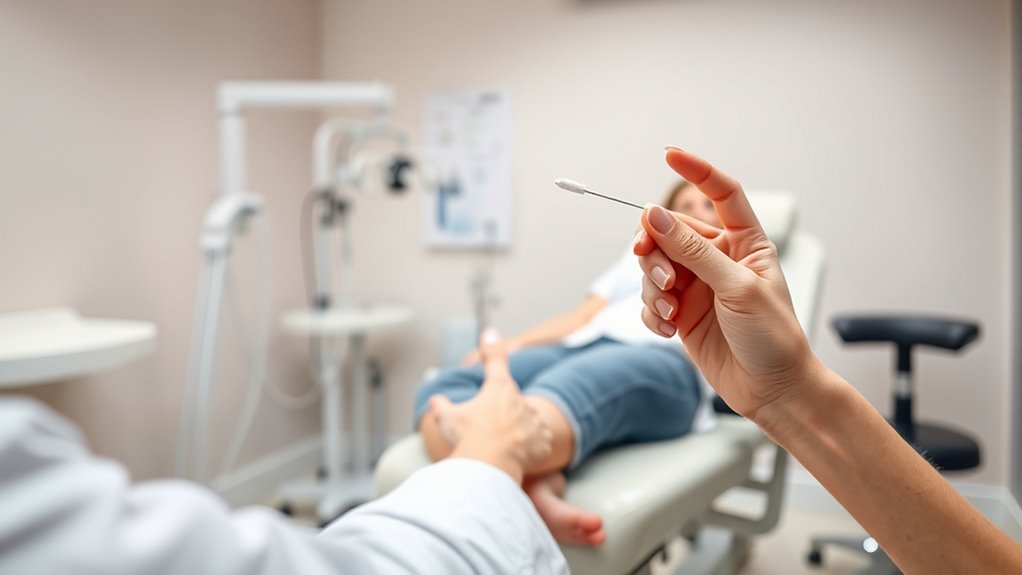
How You Can Get a Pap While on Your Period
You can get a Pap smear while on your period, but it’s important to know that blood might affect the test’s accuracy and comfort. If you’re menstruating, be sure to let your healthcare provider know ahead of time. They may adjust the procedure or suggest rescheduling if your flow is heavy.
Avoid using tampons or vaginal products before the test to help ensure the best results.
During the Pap smear, you might feel some mild discomfort or notice spotting—that’s totally normal.
With clear communication and proper preparation, you can still have an effective Pap smear even while on your period. Keep reading to find out how to prepare and what to expect during your appointment.
Understanding the Pap Smear Procedure
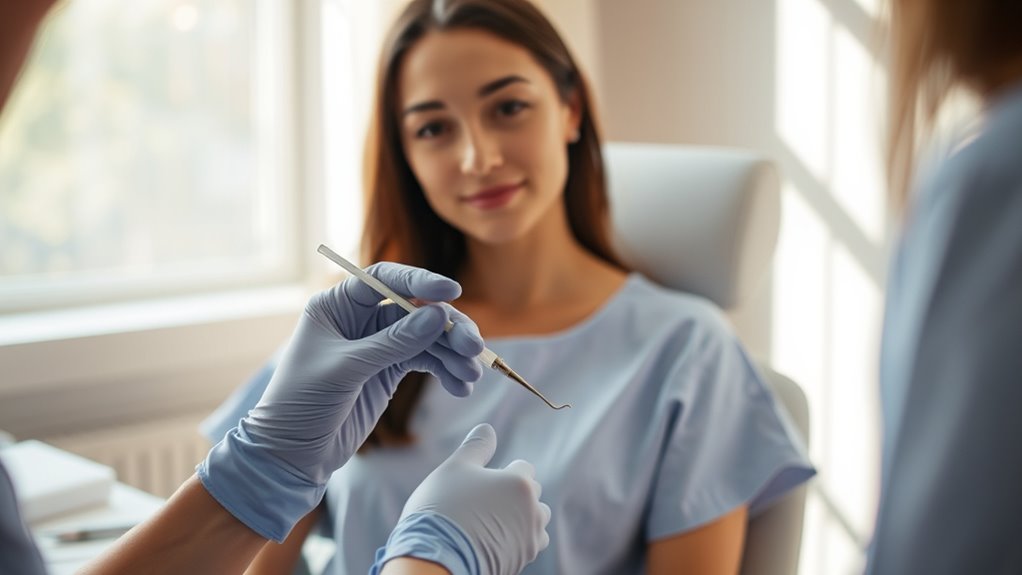
Although the idea of a Pap smear can feel intimidating, knowing what to expect during the procedure can ease your mind. You’ll lie down on an exam table and place your feet in stirrups.
The healthcare provider will gently insert a speculum into your vagina to hold it open. Using a small brush or spatula, they’ll collect cells from your cervix. The process is brief, usually lasting just a few minutes, and might cause mild discomfort but not pain.
The collected cells are sent to a lab for analysis to detect any abnormal changes that could indicate cervical cancer or infections. Understanding these steps helps you feel prepared and more relaxed during your appointment.
How Your Period Affects Pap Smear Results
Now that you know what happens during a Pap smear, it’s important to understand how your menstrual cycle can impact the test results. When you’re on your period, the presence of blood can sometimes interfere with the accuracy of the Pap smear.
Blood may dilute or obscure abnormal cells, making it harder for the lab to identify potential issues. Plus, menstrual blood can increase the likelihood of an inconclusive result, which might mean you’ll need to repeat the test.
That said, many healthcare providers can still obtain a clear sample during menstruation, so it’s not always a problem.
Here’s how your period can affect Pap smear results:
- Blood may obscure abnormal cervical cells
- Menstrual fluid can dilute the sample
- Increased chance of needing a repeat test
- Potential for false-negative or unclear results
Communicating With Your Healthcare Provider

When scheduling your Pap test, make sure to tell your healthcare provider if you’re on your period or expect to be during the appointment. This helps them prepare and advise whether you should reschedule or proceed.
Being upfront allows your provider to address any concerns you have about comfort or accuracy.
Here’s a quick guide on what to communicate:
| Topic | What to Share | Why It Matters |
|---|---|---|
| Menstrual Status | Current or expected period | Affects test timing and results |
| Symptoms | Any unusual bleeding or pain | Helps assess your overall health |
| Concerns | Discomfort or privacy questions | Ensures a comfortable experience |
Clear communication makes your Pap test smoother and more effective.
Preparing for a Pap Smear During Your Period
Since menstrual blood can sometimes interfere with the Pap smear, you’ll want to take a few steps beforehand to guarantee the test goes smoothly. Preparing properly helps reduce discomfort and improves the accuracy of your results.
Menstrual blood may affect Pap smear results, so proper preparation ensures comfort and accurate testing.
Here’s what you can do before your appointment:
- Schedule your test when your flow is light to minimize interference.
- Avoid using tampons, vaginal creams, or douches 24-48 hours before the test.
- Wear a menstrual pad instead of a tampon to the appointment for convenience.
- Inform your healthcare provider about your period so they can adjust the procedure if needed.
What to Expect During the Pap Smear
During your Pap smear, you’ll lie back while the doctor gently inserts a speculum to see your cervix and collect cells. You might feel some pressure or mild discomfort, but it usually only takes a few minutes.
Knowing what to expect can help you feel more at ease throughout the quick procedure. It’s totally normal to feel a bit nervous, but remember—it’s a routine check that helps keep you healthy.
Procedure Steps Overview
Although getting a Pap smear might feel a bit uncomfortable, knowing what to expect can ease your mind. When you arrive, the healthcare provider will ask you to lie on an exam table and place your feet in stirrups.
They’ll gently insert a speculum into your vagina to open it and get a clear view of your cervix. Then, they’ll use a small brush or spatula to collect cells from your cervix for testing.
Once the sample is taken, the speculum is removed, and you can get dressed.
Here’s what happens during the procedure:
- You’ll lie back with your feet in stirrups
- A speculum gently opens the vaginal walls
- Cell samples are collected from the cervix
- The speculum is carefully removed afterward
Common Sensations Experienced
While the Pap smear is usually quick, you might feel some pressure or mild discomfort as the speculum opens your vaginal walls. This sensation can feel strange but shouldn’t be painful.
You may also notice a slight pinch or cramping when the healthcare provider collects cells from your cervix with a small brush or spatula. Some people describe this as a brief sting.
If you’re on your period, spotting or light bleeding during the test is normal. You might feel a bit uneasy if you’re worried about the test itself or the presence of menstrual blood, but staying relaxed can help ease any tension.
Duration and Timing Details
Even if you’re on your period, the Pap smear usually takes just a few minutes from start to finish. You’ll lie back on the exam table, and your healthcare provider will gently insert a speculum to view your cervix.
After that, they’ll collect cells using a small brush or spatula. The entire process is quick, often lasting less than five minutes.
Here’s what to expect regarding timing and duration:
- Preparation and explanation: 1-2 minutes
- Speculum insertion and cervix visualization: about 1 minute
- Cell collection: less than 1 minute
- Removal of instruments and cleanup: 1-2 minutes
Knowing this can help you feel more at ease, even while on your period.
Aftercare and When to Schedule Your Next Test
After your Pap test, you might notice mild discomfort or spotting. It’s important to follow simple aftercare tips to stay comfortable.
Don’t forget to ask your provider when you should schedule your next Pap. This helps keep your health on track.
Taking these steps helps you manage any side effects and guarantees timely screenings. It’s all about staying proactive and feeling your best.
Post-Pap Care Tips
Although a Pap test is a routine procedure, taking proper care afterward helps you avoid discomfort and potential complications. After your appointment, you might notice slight spotting or mild cramping, which is normal.
To support healing and comfort, follow these tips:
- Avoid using tampons, douching, or inserting anything into the vagina for at least 24-48 hours.
- Refrain from sexual intercourse during this period to prevent irritation or infection.
- Wear breathable cotton underwear and use pads instead of tampons if you experience light bleeding.
- Keep an eye on any unusual symptoms like heavy bleeding, severe pain, or foul-smelling discharge and contact your healthcare provider if they occur.
Taking these simple steps helps you recover smoothly and keeps you comfortable after your Pap test. Just take it easy, and you’ll be feeling back to normal in no time!
Scheduling Your Next Pap
When you’ve recovered from your Pap test, it’s important to schedule your next screening based on your healthcare provider’s recommendations and your personal health history.
Most guidelines suggest getting a Pap test every three years if you’re between 21 and 65 and have had normal results. However, if you have risk factors like a history of abnormal Pap results, HPV infection, or a weakened immune system, your doctor might recommend more frequent testing.
Keep track of your results and follow up promptly if your provider advises it. Using a calendar reminder or a health app can help you stay on schedule.
Don’t hesitate to discuss any concerns with your healthcare provider to ensure you’re comfortable with your screening plan. It’s really about finding what works best for you.
Managing Discomfort Aftertest
Feeling some discomfort after your Pap test is common, but knowing how to manage it can make the recovery smoother. You might experience mild cramping or light spotting, which usually goes away within a day or two.
To ease discomfort, try these simple tips: Use a warm heating pad on your lower abdomen if you have cramps. Also, avoid douching or using tampons for at least 24 hours.
Wearing breathable cotton underwear can help you stay comfortable. And if you need it, over-the-counter pain relievers are a good option.
Remember to schedule your next Pap test based on your healthcare provider’s recommendation—usually every three years if your results are normal.
But if you notice heavy bleeding, severe pain, or any unusual symptoms, don’t hesitate to contact your healthcare provider right away.
Taking care after your test helps you stay healthy and comfortable.
Conclusion
Just like rain doesn’t stop flowers from blooming, your period doesn’t have to stop you from taking care of your health. Getting a Pap smear during your period might feel uncomfortable, but with clear communication and preparation, you can breeze through it confidently.
Remember, prioritizing your well-being is a powerful act—much like a brave hero facing challenges head-on. So, don’t wait; take charge and keep your health in full bloom. Scheduling a Pap during your period is totally doable and important for regular cervical health checks.
By being open with your healthcare provider and knowing what to expect, you’ll make the experience smoother. Embrace your strength and keep up with your Pap smears, period or not, because your health deserves the best care always.