How to Manage Normal Bleeding After a Pap Smear
If you notice light spotting or pinkish discharge after a Pap smear, that’s usually normal and should stop within a day or two. This kind of normal bleeding after a Pap smear is quite common and typically doesn’t signal any serious issues.
To manage it, use panty liners instead of tampons, avoid strenuous activity and sexual intercourse for a day or two, and keep clean with mild soap and warm water.
If you feel cramping, over-the-counter pain relievers can help. Keep an eye on your symptoms, and there’s more to learn about easing discomfort and when to get medical advice.
Don’t hesitate to reach out to your healthcare provider if the bleeding worsens or lasts longer than expected.
Understanding Why Bleeding Occurs After a Pap Smear
Although a Pap smear is a routine and generally painless procedure, you might notice some bleeding afterward. This happens because the test involves gently scraping cells from your cervix, which is sensitive and has many tiny blood vessels.
A Pap smear may cause slight bleeding due to gentle scraping of the sensitive, blood-rich cervical tissue.
When the tool touches these vessels, a small amount of bleeding can occur. Additionally, your cervical tissue might be more delicate if you’re menstruating, have infections, or other mild inflammation.
This sensitivity makes bleeding more likely. Don’t worry, this bleeding is usually minimal and not a sign of a problem.
Understanding this helps you stay calm if you see a little blood after your test. It’s just your body’s normal response to the gentle collection process your healthcare provider uses during the Pap smear.
Typical Duration and Appearance of Post-Pap Smear Bleeding
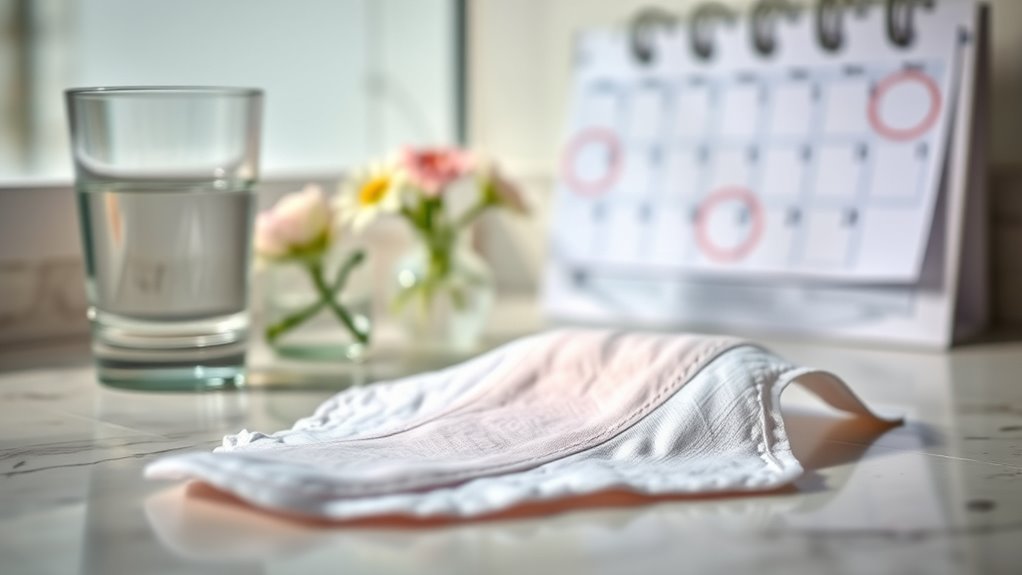
Because the bleeding after a Pap smear comes from minor irritation to your cervix, it usually lasts only a short time—typically a few hours to a couple of days. You might notice that the bleeding varies in color and amount, but it’s generally light and manageable.
Here’s what you can expect:
- Light spotting or a few drops of blood
- Pinkish or brownish discharge rather than bright red
- Bleeding that stops on its own without intervention
- No strong odor or discomfort linked to the bleeding
- Occasional slight cramping alongside the bleeding
If your bleeding fits within these typical signs, it’s normal. Just keep track so you know when to consult a healthcare provider if things change.
Recommended Self-Care Practices for Managing Bleeding
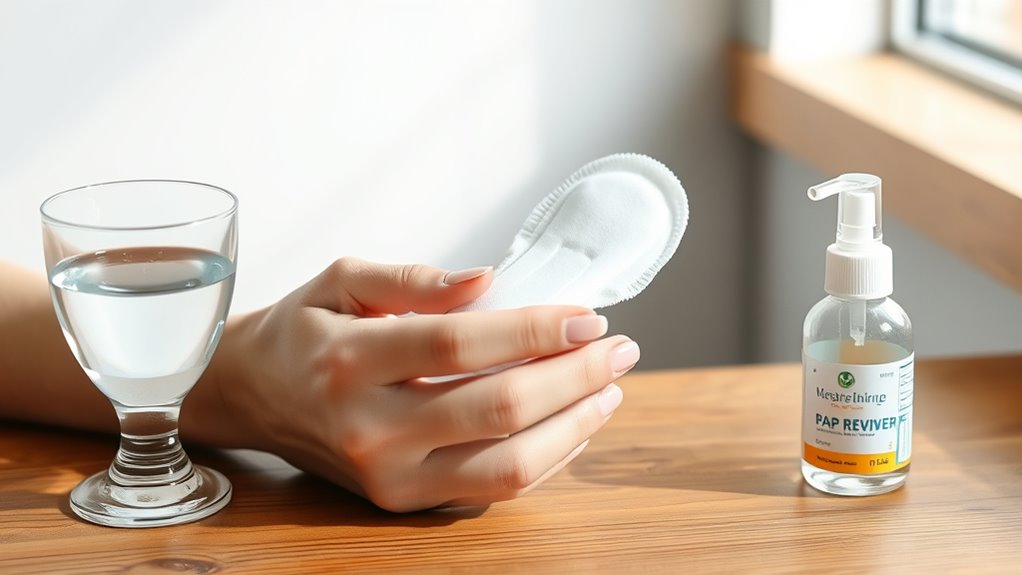
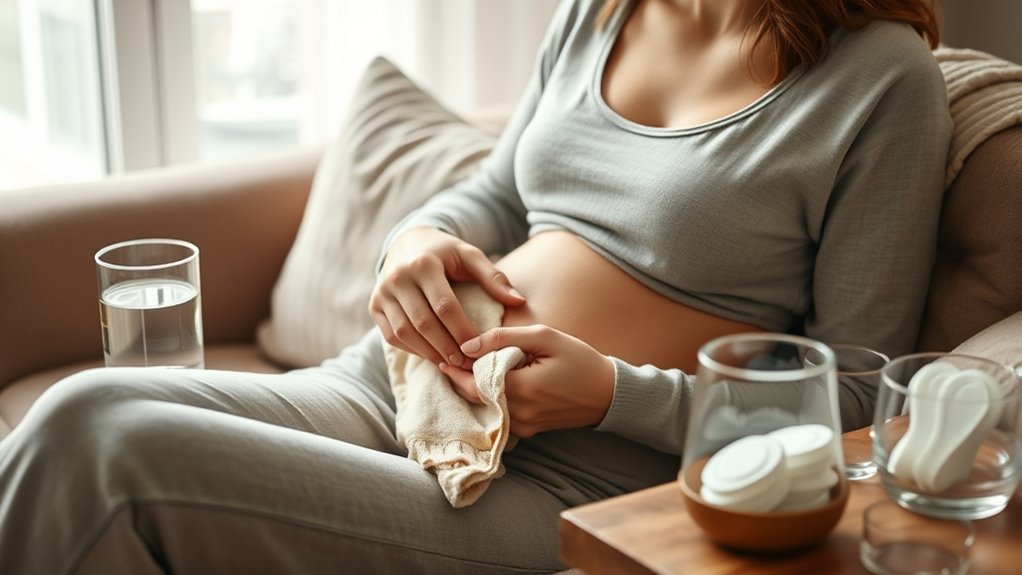
When you notice light bleeding after a Pap smear, you can take simple steps at home to help manage it comfortably. Start by wearing a panty liner or sanitary pad to absorb any spotting; avoid tampons as they can irritate the cervix.
Keep yourself hydrated and rest if you feel any cramping or discomfort. It’s a good idea to avoid strenuous activities and sexual intercourse for at least 24 to 48 hours to give your cervix time to heal.
Gently cleanse your genital area with warm water and steer clear of harsh soaps or douches. If you experience mild discomfort, over-the-counter pain relievers like ibuprofen can be really helpful.
These self-care practices will help you manage normal bleeding effectively while allowing your body to recover naturally. Just listen to your body and take it easy!
When to Contact Your Healthcare Provider
If your bleeding becomes heavy, lasts more than a few days, or comes with severe pain or fever, you should contact your healthcare provider promptly. These signs might indicate an infection or other complications that need medical attention.
Reach out if you experience bleeding soaking through more than one pad per hour, severe cramping or abdominal pain, fever or chills, foul-smelling vaginal discharge, dizziness, or weakness.
Don’t hesitate to call your provider if something feels off. It’s better to be cautious and get evaluated than to ignore symptoms that could worsen.
Your healthcare provider can offer guidance, perform necessary tests, and provide treatment if needed. Always prioritize your health and seek help when symptoms exceed normal post-Pap smear bleeding.
Tips to Minimize Discomfort After the Procedure
After your Pap smear, you can ease discomfort by practicing gentle hygiene and avoiding harsh soaps or douches. Wearing breathable cotton underwear and using a sanitary pad can help manage any bleeding and keep you comfortable.
These simple steps support your healing and reduce irritation. Just take it easy and listen to your body—it’ll thank you for the extra care!
Gentle Hygiene Practices
Though mild spotting after a Pap smear is common, you can ease discomfort by following gentle hygiene practices. Taking care of yourself with simple steps helps reduce irritation and keeps you feeling fresh.
Here are some tips to keep in mind:
- Use unscented, mild soap when washing the genital area.
- Avoid douching or using harsh feminine hygiene products.
- Pat the area dry gently instead of rubbing.
- Change sanitary pads frequently to prevent moisture buildup.
- Wear breathable cotton underwear to promote airflow and reduce irritation.
Comfort Measures Post-Procedure
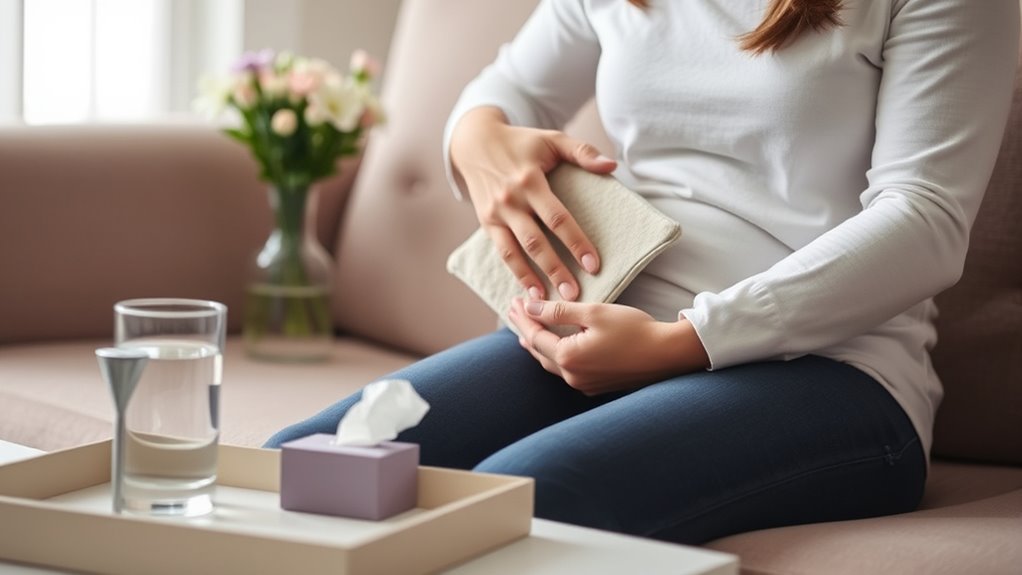
While some mild discomfort is normal following a Pap smear, you can take simple steps to ease it and support your body’s healing process. Applying a cold compress to your lower abdomen can reduce cramping and swelling.
Avoid using tampons or douching for at least 24 to 48 hours to prevent irritation. Wearing breathable, cotton underwear and loose-fitting clothes helps keep the area comfortable and dry.
Over-the-counter pain relievers like ibuprofen can help manage any soreness, but be sure to follow the dosage instructions carefully. Rest as needed and try to avoid strenuous activities that might increase bleeding or discomfort.
If you notice heavy bleeding, severe pain, or signs of infection, don’t hesitate to contact your healthcare provider promptly. These comfort measures can really help you recover smoothly and feel better faster.
Preparing for Your Next Pap Smear Appointment
Before your next Pap smear appointment, it’s important to take a few simple steps to guarantee accurate results and minimize discomfort. Preparing properly helps your healthcare provider get the best sample and reduces the chance of spotting or irritation afterward.
Here’s what you can do:
- Avoid using tampons, douches, or vaginal medications for 48 hours before the test.
- Try to schedule your appointment when you’re not menstruating for clearer results.
- It’s a good idea to refrain from sexual intercourse 24-48 hours prior, as it can affect the sample.
- Don’t forget to share your medical history or any concerns with your provider beforehand.
- Wearing comfortable clothing is key for easy access during the exam.
Following these tips will help you feel more confident and comfortable during your Pap smear.
Conclusion
It’s common to experience light bleeding after a Pap smear—about 30% of people do. Usually, it lasts just a day or two and isn’t cause for concern.
By following simple self-care tips, you can manage any discomfort easily. Remember, if bleeding persists beyond a few days or worsens, don’t hesitate to contact your healthcare provider.
With the right preparation, your next Pap smear can be even smoother and less stressful. Managing normal bleeding after a Pap smear is straightforward when you know what to expect and how to care for yourself. So, take it easy, keep an eye on your symptoms, and reach out if anything feels off. This way, you can stay comfortable and confident about your cervical health.