How to Manage Normal Bleeding After a Pap Smear
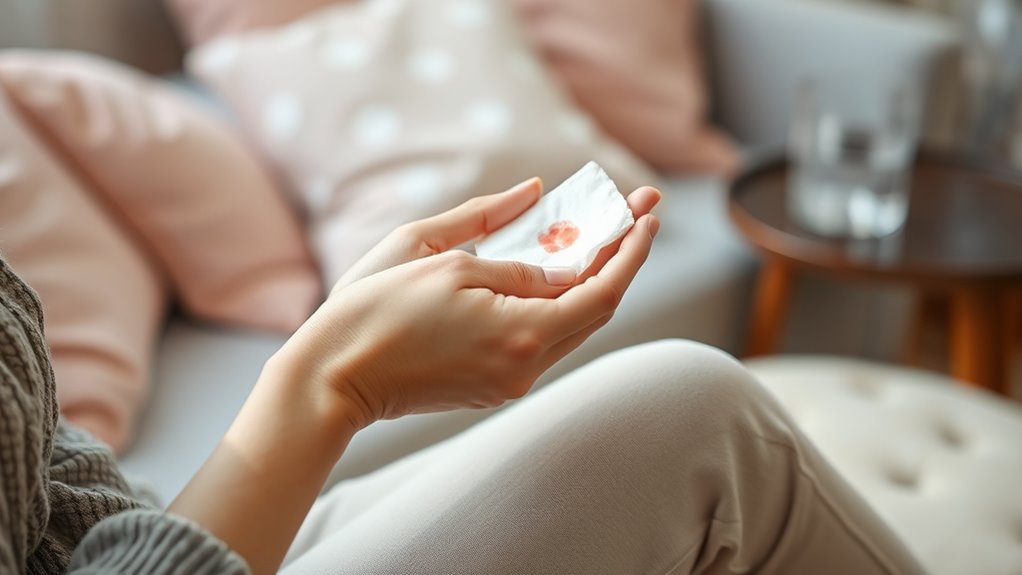
You might notice light spotting or slight bleeding within a day or two after your Pap smear—that’s completely normal. This kind of normal bleeding happens because the cervix can be a bit sensitive after the test.
Use a clean pad to manage any spotting and avoid tampons during this time.
Rest for 24-48 hours to give your body a chance to heal.
Keep the area clean by washing gently with water—no harsh soaps or douches.
It’s a good idea to skip strenuous activities or sex until the bleeding stops.
If you notice heavy bleeding or if it lasts several days, don’t hesitate to talk to your healthcare provider.
There’s more to understand about caring for yourself and knowing when to seek help to make sure your recovery goes smoothly.
What Causes Bleeding After a Pap Smear
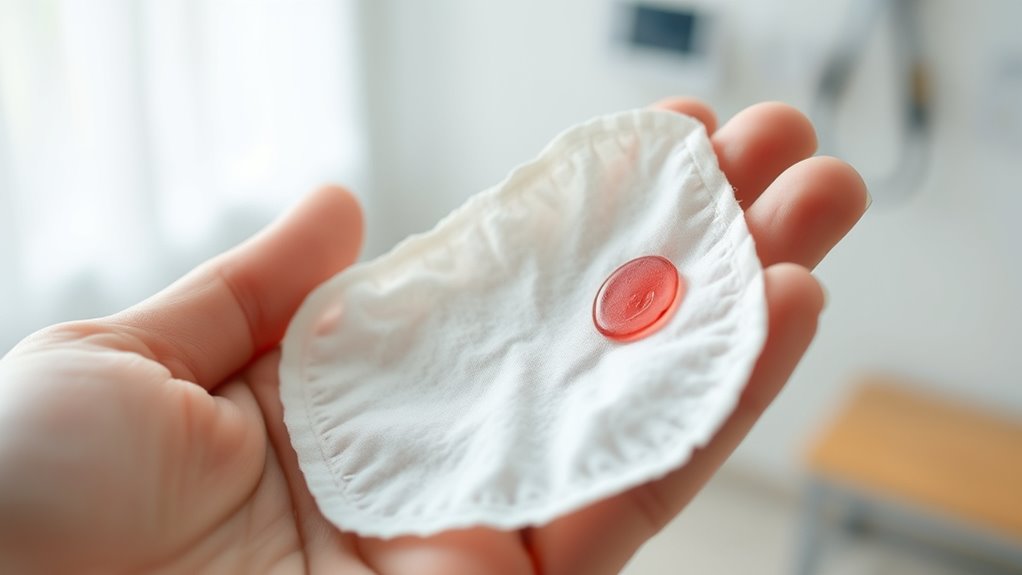
Although a Pap smear is a routine and generally gentle procedure, it can cause slight bleeding afterward. When your healthcare provider collects cells from your cervix using a small brush or spatula, they may irritate the delicate cervical tissue.
This irritation can lead to minor bleeding or spotting. Additionally, if you have sensitive or inflamed cervical tissue, the likelihood of bleeding increases.
Sometimes, the cervix’s blood vessels are close to the surface, so even gentle contact might cause a tiny amount of blood to appear. Don’t worry—this bleeding is usually minimal and harmless.
Understanding these causes helps you recognize that slight bleeding after a Pap smear is a normal response to the procedure, not a sign of something serious.
Typical Duration and Appearance of Post-Pap Smear Bleeding
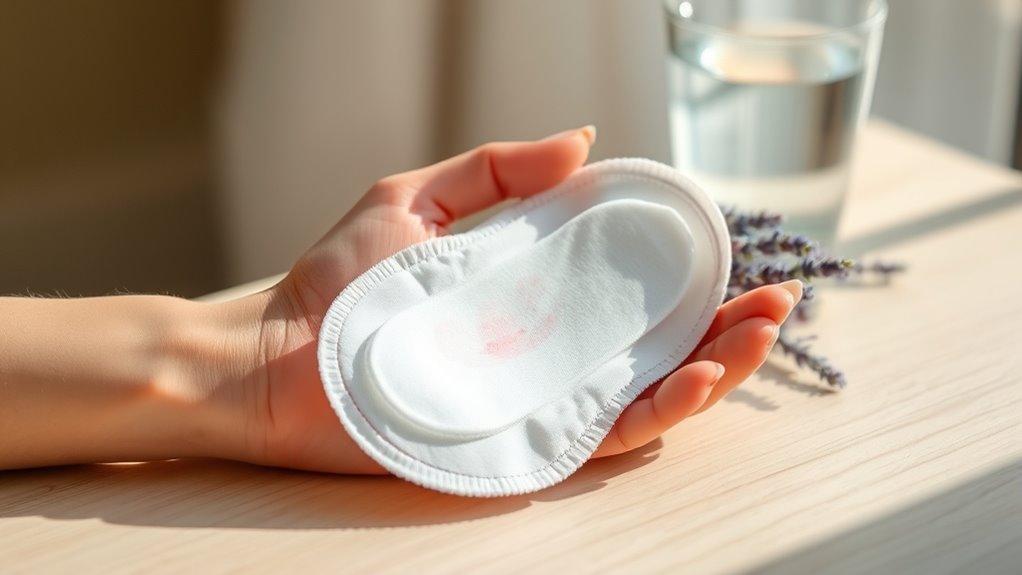
You might notice light spotting or slight bleeding for a day or two after your Pap smear. This bleeding is usually minimal and may appear as pink or brown discharge.
Understanding what’s typical can help you feel more at ease during your recovery. It’s pretty common, so no need to worry too much!
Duration of Bleeding
Since a Pap smear gently collects cells from your cervix, you might notice light bleeding or spotting afterward. This bleeding usually lasts for a short time—typically just a few hours to a day.
In some cases, you may experience spotting for up to two days, but it shouldn’t be heavy or prolonged. If you notice bleeding beyond this timeframe, or if the bleeding becomes heavier, it’s important to consult your healthcare provider.
Remember, the bleeding should gradually diminish and not interfere with your daily activities. Keeping track of the duration helps you understand what’s normal and when to seek medical advice.
Typical Bleeding Characteristics
While post-Pap smear bleeding usually lasts only a short time, its typical appearance can help you recognize what’s normal. You might notice light spotting or a few drops of blood, which generally stop within 24 hours.
The blood is often bright red or pinkish, signaling minor irritation rather than a serious issue. Understanding these characteristics lets you monitor your condition confidently.
| Characteristic | Description |
|---|---|
| Duration | Usually under 24 hours |
| Color | Bright red or pinkish |
| Amount | Light spotting or slight drops |
| Sensation | Minimal or no pain |
If bleeding is heavy, lasts longer, or is accompanied by pain, contact your healthcare provider.
Effective Ways to Manage and Care for Bleeding
You can ease bleeding after a Pap smear by using gentle care and following simple immediate tips. It’s important to know when bleeding signals a need for medical attention.
Plus, adopting some long-term habits can help minimize future issues. Just take it step by step, and you’ll manage just fine!
Immediate Care Tips
Although mild bleeding after a Pap smear is common, you can take simple steps to manage it effectively. First, use a clean sanitary pad to absorb the blood and change it regularly to maintain hygiene.
Avoid tampons as they can irritate the cervix and increase infection risk. Rest for a few hours and avoid strenuous activities to help your body heal.
Wear loose, comfortable clothing to reduce discomfort. Keep the area clean by gently washing with warm water, but avoid using harsh soaps or douches.
Drink plenty of fluids to stay hydrated. If you notice mild cramping, over-the-counter pain relievers can help, but avoid aspirin as it may worsen bleeding.
These immediate care tips will help you stay comfortable while your body recovers.
When to Seek Help
If bleeding after your Pap smear becomes heavy, lasts more than a few days, or is accompanied by severe pain or fever, you should seek medical attention promptly. These signs could indicate infection or other complications that require professional evaluation.
Also, if you notice foul-smelling discharge, dizziness, or fainting, contact your healthcare provider immediately. Don’t hesitate to reach out if you’re unsure about your symptoms—it’s better to be cautious.
Keep track of the amount and duration of bleeding to provide accurate information to your doctor. Remember, while mild spotting is normal, persistent or worsening symptoms are not and need timely care.
Prompt medical attention ensures any issues are addressed quickly, helping you recover safely and avoid further problems. Your health comes first.
Long-term Prevention Methods
Knowing when to seek help is important, but managing bleeding after a Pap smear also involves steps you can take to reduce its occurrence over time. You can keep track of your menstrual cycle, avoid strenuous activity post-test, and maintain good vaginal hygiene to minimize irritation.
Using gentle products and wearing breathable clothing helps too. These small habits can make a big difference in how you feel after your test.
| Prevention Method | How It Helps |
|---|---|
| Track Menstrual Cycle | Schedule Pap smears during low-bleed times |
| Avoid Strenuous Activity | Reduces trauma and excessive bleeding |
| Maintain Vaginal Hygiene | Prevents infections that could worsen bleeding |
When to Be Concerned About Bleeding After a Pap Smear
While some spotting after a Pap smear is common and usually harmless, you should pay attention to the amount and duration of bleeding. If you experience heavy bleeding, soaking through a pad within an hour, or if the bleeding lasts more than a few days, you should be concerned.
Also, watch for severe pain, dizziness, or fever, as these might indicate an infection or other complications. If your bleeding is accompanied by foul-smelling discharge or chills, contact your healthcare provider immediately.
Don’t overlook persistent or worsening symptoms; timely evaluation helps rule out infections, cervical abnormalities, or other health issues. Remember, occasional light spotting is normal, but significant changes in bleeding patterns warrant professional advice to ensure your safety and well-being.
Tips for Preparing for Your Next Pap Smear
Although a Pap smear is a routine procedure, preparing properly can help reduce discomfort and improve the accuracy of the results. To get ready, avoid scheduling your test during your period, as blood can interfere with the sample.
It’s best to refrain from using tampons, vaginal creams, douches, or engaging in sexual intercourse for 24 to 48 hours before the appointment. Wear comfortable clothing to make the process easier.
Also, try to relax—stress can make the procedure feel more uncomfortable. If you have questions or concerns, don’t hesitate to ask your healthcare provider beforehand.
How to Support Your Recovery After the Procedure
After your Pap smear, you might notice some light spotting or mild cramping, which is completely normal and usually goes away quickly. To help your recovery, rest for a little while after the procedure.
Light spotting and mild cramping after your Pap smear are normal—rest briefly to aid recovery.
Try to avoid any strenuous activities that might make bleeding or discomfort worse. It’s a good idea to use a sanitary pad instead of tampons to manage spotting because tampons can increase the risk of infection.
Make sure to stay hydrated and eat nourishing foods to help your body heal. Also, avoid sexual intercourse for at least 24 to 48 hours to prevent irritation or infection.
If you notice heavy bleeding, severe pain, fever, or a foul-smelling discharge, don’t hesitate to contact your healthcare provider right away. By following these simple steps, you’ll help your body recover comfortably and reduce the chance of complications after your Pap smear.
Conclusion
Bleeding after a Pap smear is like a brief whisper from your body—usually soft and fleeting. By understanding what’s normal and caring for yourself gently, you can navigate this small ripple with ease.
Remember, your body’s signals are your compass; if the bleeding turns stormy, don’t hesitate to seek help.
With a little preparation and mindful recovery, you’ll sail smoothly through your next Pap smear, empowered and at ease. Managing normal bleeding after a Pap smear involves simple steps like avoiding heavy activity and using gentle hygiene practices. It’s important to monitor your symptoms and know when to consult a healthcare provider. Taking these precautions makes the process comfortable, so you can focus on your health without worry.