Is Tissue Paper Recyclable?
You can’t recycle tissue paper because its thin fibers and common contamination with oils, lotions, or bodily fluids make it unsuitable for recycling machines. These delicate fibers break down easily and don’t hold up well during the recycling process.
Plus, any oils or bodily fluids on the tissue paper can contaminate the whole batch of recyclables. Facilities often reject tissue paper to avoid clogging and spoiling other recyclables.
This means it usually ends up in the trash instead of being recycled. But here’s the good news: if your tissue paper is clean and chemical-free, you can compost it instead.
Using reusable cloths or choosing compostable tissue options helps reduce waste too. If you want to understand more about why it’s tricky to recycle tissue paper and how to dispose of it properly, keep exploring the details!
Understanding Tissue Paper Composition
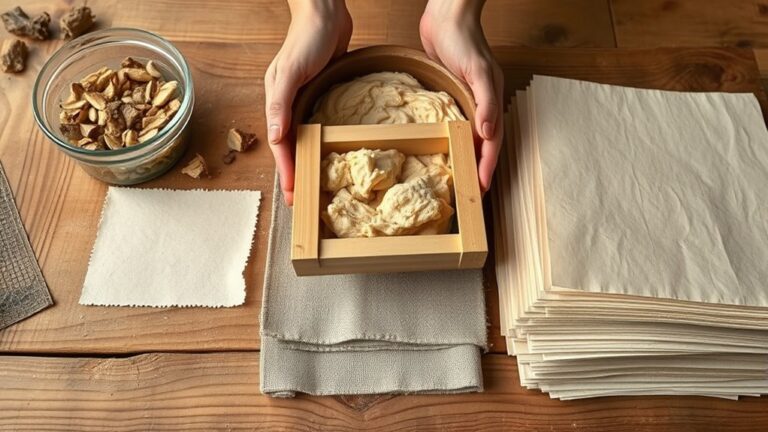
Although tissue paper looks simple, its composition is quite complex. When you pick up a sheet, you might not realize it’s made from a blend of fibers, mainly cellulose from wood pulp or recycled paper.
These fibers give tissue paper its softness and thin texture. You’ll also find additives like softening agents and sometimes dyes or fragrances.
Fibers provide softness and thinness, while additives like softeners, dyes, and fragrances enhance tissue paper’s qualities.
These extra ingredients can affect whether the tissue paper is recyclable. For example, tissues used for personal hygiene often contain lotions or other chemicals that complicate recycling.
Plus, the paper’s lightweight structure means it can easily tear or disintegrate during processing.
Understanding these details helps you see why not all tissue paper can be treated the same when you think about recycling or disposal.
How Recycling Facilities Handle Tissue Paper
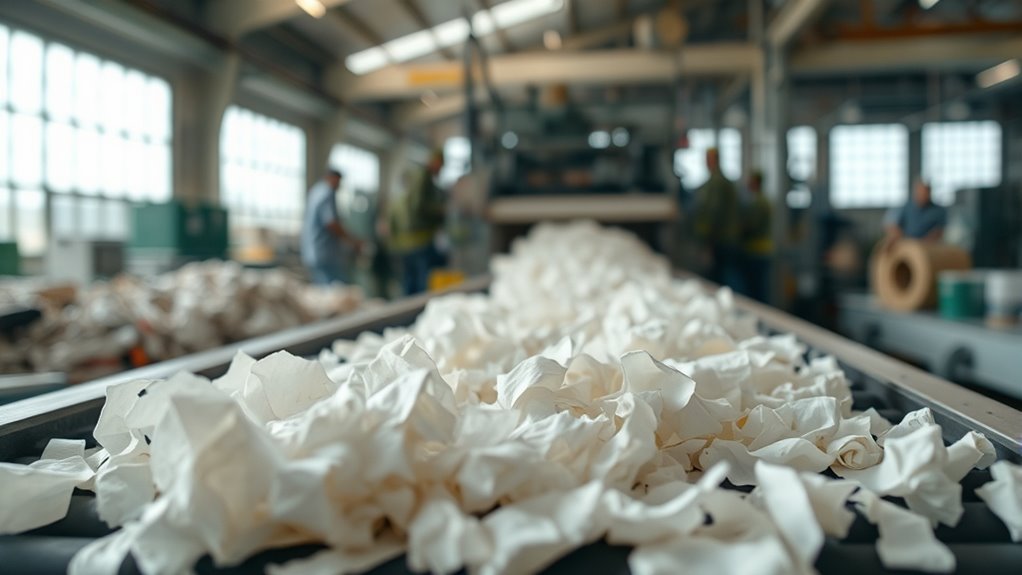
When you toss tissue paper into recycling bins, facilities face challenges sorting it from other materials. Contamination from oils, lotions, or food can make tissue paper unsuitable for recycling.
Because of this, many recycling centers end up disposing of tissue paper instead of processing it. It’s a bit tricky to recycle tissue paper properly, so it often doesn’t make the cut.
Sorting Process Challenges
Why does sorting tissue paper pose such a challenge for recycling facilities? When you toss tissue paper into recycling bins, it often blends with other paper types that have different weights and coatings.
Tissue paper is lightweight and fragile, making it hard for sorting machines to identify and separate it accurately. Its thin fibers can easily tear or get caught in equipment, causing jams or damage.
Plus, tissue paper often looks similar to other papers but requires different processing methods. Because of these issues, facilities sometimes struggle to efficiently sort tissue paper without contaminating other recyclable materials.
Contamination and Disposal
Since tissue paper often mixes with other recyclables, it can contaminate entire batches. This makes recycling facilities cautious about accepting it.
When tissue paper gets wet or soiled, its fibers break down quickly. That reduces the quality of recycled materials.
You’ll find many facilities reject tissue paper because it clogs machinery and lowers the value of the final product. If you toss used tissue paper into recycling bins, it risks spoiling recyclable paper or cardboard nearby.
Instead, you should dispose of tissue paper in your regular trash. Or compost it if it’s free from chemicals or additives.
Differences Between Tissue Paper and Other Paper Products
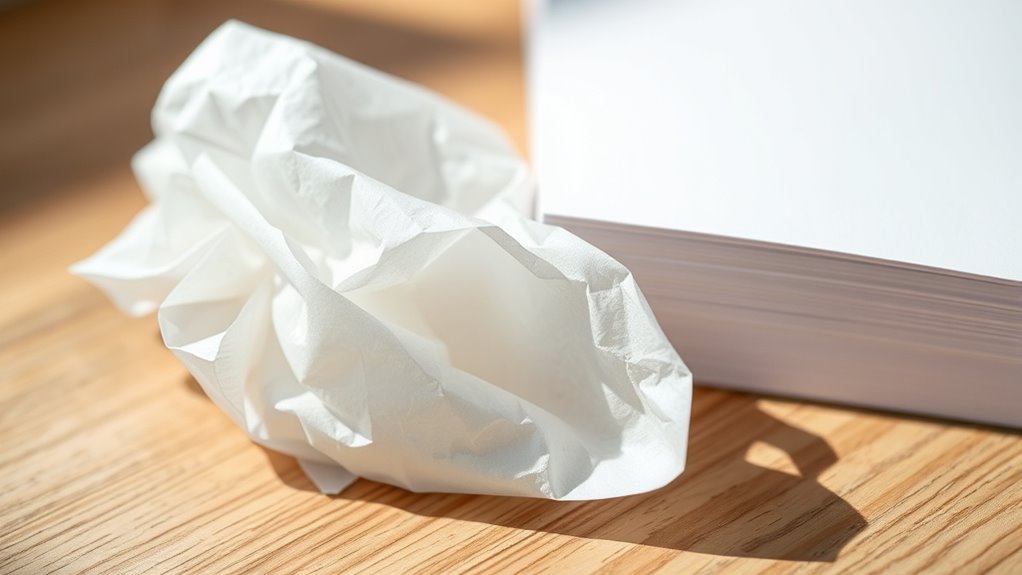
You’ll notice tissue paper is made from different fibers than most other paper products, which affects how it breaks down and recycles. Recycling facilities follow strict criteria to decide which papers they accept, and tissue paper often falls outside those guidelines.
Understanding these differences helps you see why tissue paper isn’t recycled the same way as cardboard or office paper. It’s pretty interesting once you get into the details!
Tissue Paper Composition
Although tissue paper shares some basic ingredients with other paper products, its composition is specially designed to be softer, thinner, and more absorbent. When you look closer, you’ll notice these key differences:
- Made from virgin or recycled fibers, but with a higher ratio of long fibers for softness
- Lower density, which makes it lightweight and delicate
- Often treated with additives that enhance absorbency without compromising texture
- Manufactured in multiple thin layers or plies to increase strength and cushioning
- Free from heavy inks or coatings that are common in printing paper
These features make tissue paper uniquely suited for gentle uses like wiping or wrapping, unlike cardboard or printer paper, which focus more on durability and print quality. So, understanding this helps you see why tissue paper behaves differently during recycling.
Paper Product Recycling Criteria
The unique makeup of tissue paper directly impacts how it should be recycled compared to other paper products. Unlike cardboard or office paper, tissue paper is thinner, often treated with lotions or dyes, and designed to break down quickly.
Because of these differences, many recycling facilities don’t accept tissue paper—it can contaminate the recycling stream or clog machinery. When you’re sorting your recyclables, you’ll need to separate tissue paper from sturdier, cleaner papers.
Items like paper towels or napkins, which are similar to tissue paper in composition and usage, also usually don’t belong in recycling bins. Instead, consider composting these papers if they’re free of chemicals or food waste.
Understanding these distinctions helps you recycle properly and keeps the process efficient and effective. So, it’s worth taking a moment to sort carefully!
Environmental Impact of Disposing Tissue Paper Improperly
When you toss tissue paper carelessly, it can cause more harm than you might expect. Improper disposal affects the environment in several ways, including increasing landfill volume, which speeds up space depletion.
It also produces methane gas as it decomposes without oxygen, and that adds to the greenhouse effect. Plus, if tissue paper has chemicals or bodily fluids on it, it can contaminate soil and water sources.
Another thing is, it can mess up recycling by mixing in with recyclable materials. And let’s not forget, litter from tissue paper can harm wildlife and disrupt ecosystems.
You might think tissue paper is harmless, but when it breaks down, it can release toxins and microfibers into nature. Understanding these effects helps you make smarter choices about how you throw it away.
Properly managing tissue paper waste eases the strain on the environment and helps protect natural habitats. So remember, your actions really do matter when it comes to keeping the planet safe from avoidable harm.
Alternatives to Recycling Tissue Paper
Since recycling tissue paper isn’t always practical due to contamination or material quality, you might want to explore other ways to reduce its environmental impact. One option is composting, as tissue paper often breaks down quickly and adds valuable organic matter to your compost pile.
Just make sure the tissue paper is free from chemicals or synthetic additives before composting. Another alternative is to choose reusable cloth handkerchiefs or towels instead of disposable tissue paper, which cuts down on waste altogether.
You can also buy tissue paper made from recycled materials or bamboo, which are more sustainable choices. By considering these alternatives, you actively contribute to lessening the environmental footprint of tissue paper use without relying solely on recycling, which isn’t always feasible.
Tips for Eco-Friendly Tissue Paper Use and Disposal
Although tissue paper is convenient, you can take simple steps to minimize its environmental impact. Being mindful about how you use and dispose of tissue paper helps conserve resources and reduce waste.
Here are some tips to keep your tissue paper use eco-friendly:
- Use only what you need to avoid unnecessary waste. It’s easy to grab more than necessary, but try to be conscious.
- Choose tissue paper made from recycled or sustainably sourced materials. That way, you support better practices.
- Avoid flushing tissue paper down the toilet; it can clog plumbing and harm the environment. Instead, toss it in the trash or compost if possible.
- Compost used tissue paper if it’s free of chemicals or bodily fluids. This way, it breaks down naturally without adding to landfill.
- Opt for reusable cloth alternatives when possible to cut down single-use consumption. It might take a little extra effort, but it really helps!
Conclusion
Recycling tissue paper isn’t as simple as it seems because its fibers are often too short or contaminated. Think of it like trying to weave a torn net—it just won’t hold together.
Instead, you can compost it if it’s free of chemicals or opt for eco-friendly alternatives. Composting tissue paper helps return nutrients to the soil and reduces waste in landfills.
By making mindful choices and disposing of tissue paper properly, you’ll help protect the planet. Small actions like these add up, turning everyday habits into waves of positive change for our environment. So next time you wonder, “Is tissue paper recyclable?” remember that composting and choosing sustainable options are your best bets for eco-friendly living.