How to Have a Pap Smear While Your Period: Step-by-Step Guide
You can have a Pap smear during your period by timing it on lighter flow days or towards the end to avoid heavy bleeding that may affect results.
Before your appointment, clean gently, avoid vaginal products, and wear a fresh liner.
During the exam, your provider will be careful collecting cells despite some blood. Keep calm, breathe slowly, and communicate any discomfort.
If you want to know what to expect and how to stay comfortable throughout, there’s more to discover.
Don’t hesitate to ask questions and share any concerns with your healthcare provider.
Understanding Pap Smears and Their Importance
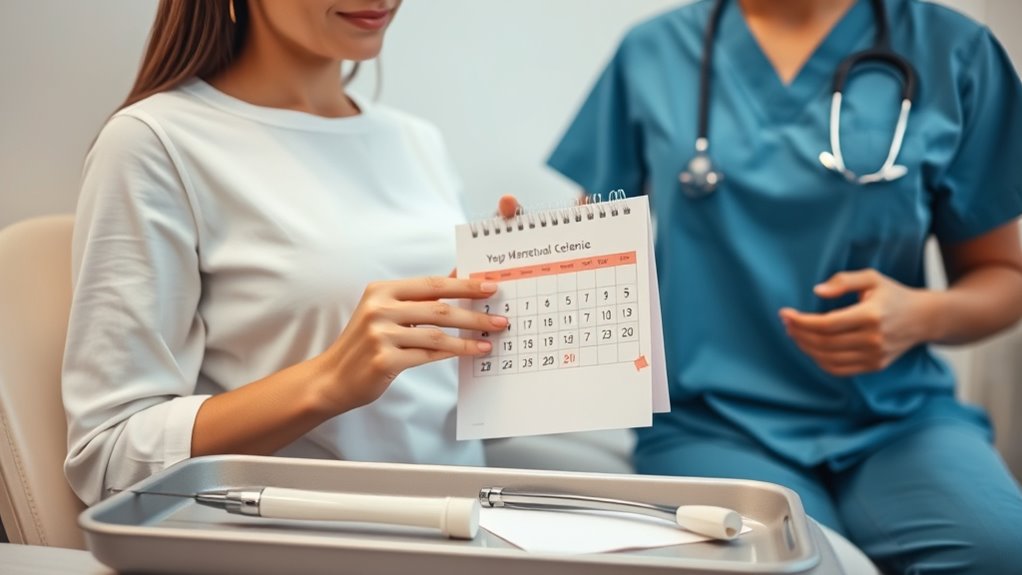
Why are Pap smears so important? They help detect abnormal cervical cells early, preventing cervical cancer before it develops.
By getting regular Pap smears, you catch changes in your cervix that might not show symptoms yet. This early detection is essential because it gives you more options for treatment and better outcomes.
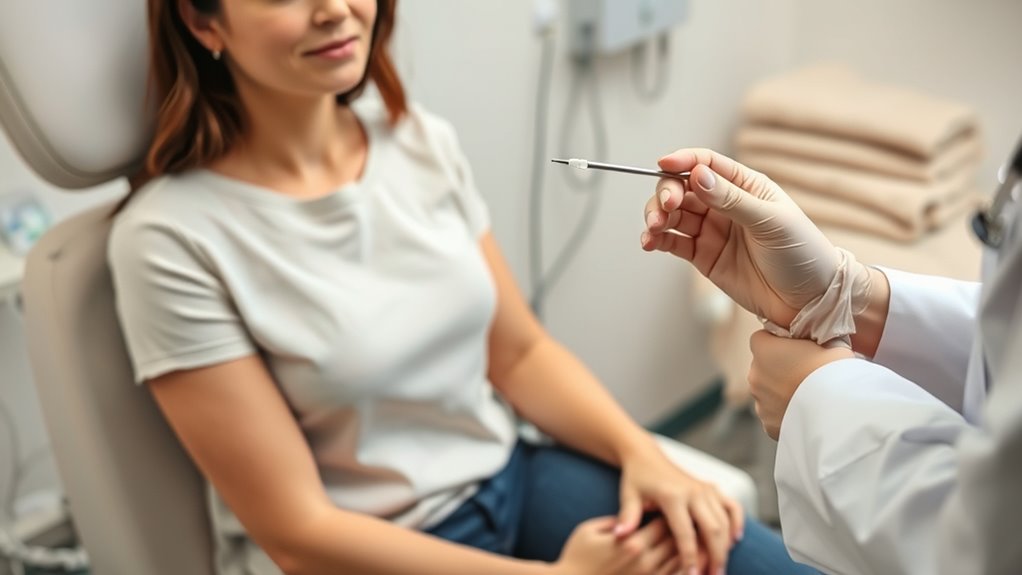
Pap smears also screen for human papillomavirus (HPV), a major cause of cervical cancer. When you get tested, your healthcare provider collects cells from your cervix using a small brush or spatula.
The procedure is quick and usually causes only minor discomfort. Staying on schedule with your Pap smears ensures you maintain cervical health and reduce your risk of serious disease.
Don’t skip these important checks! It’s a simple step that can make a big difference.
Can You Get a Pap Smear During Your Period?
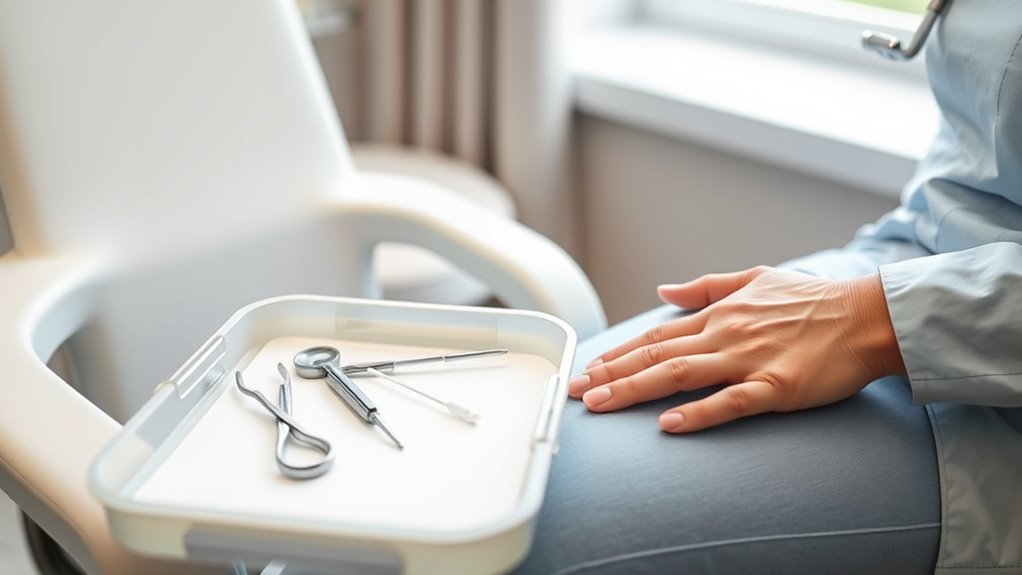
You might wonder if it’s okay to get a Pap smear during your period. Timing matters because menstrual blood can sometimes affect the accuracy of the results.
It’s best to follow your doctor’s advice on when to schedule the test for the most reliable outcome. That way, you can be sure the results are as accurate as possible.
Timing Considerations
Although many people wonder if they can get a Pap smear during their period, the answer is yes, but with some important timing considerations. Ideally, you should schedule your Pap smear when your bleeding is light or at its end to make the process smoother and more comfortable.
If your flow is heavy, it might be best to wait a few days after your period has ended. Also, avoid scheduling the test during peak flow days because it can be messier and might affect the ease of the exam.
If you have irregular periods, communicate this with your healthcare provider; they can help determine the best timing. Ultimately, you want to pick a time that guarantees accurate results and your comfort during the procedure.
Blood Impact on Results
A small amount of menstrual blood during a Pap smear usually won’t interfere with the test results, but heavy bleeding can sometimes make it harder to get a clear sample. When there’s too much blood, it can obscure the cervical cells your healthcare provider needs to examine, which might lead to an inconclusive result.
If your period is light, you can usually proceed without worry, but if you’re experiencing heavy flow, it could affect the accuracy. Blood may also dilute the sample, making abnormal cells less detectable.
Keep in mind that your provider might have to take extra care to ensure they collect enough cells despite the presence of blood. Understanding this impact helps you decide the best timing for your Pap smear during your cycle.
Doctor’s Recommendations
While some healthcare providers prefer scheduling Pap smears when you’re not on your period, many doctors say it’s still possible to have the test during menstruation, especially if your flow is light.
Your doctor may assess whether your current flow could interfere with obtaining a clear sample. If your period is heavy, they might suggest rescheduling to avoid contamination.
Before your appointment, you can discuss any concerns with your healthcare provider; they’ll guide you based on your individual situation.
Some doctors recommend avoiding intercourse, douching, or using tampons 24-48 hours before the test to ensure accuracy.
Ultimately, your doctor’s advice aims to balance convenience with obtaining reliable results, so don’t hesitate to ask what’s best for you.
How to Prepare for a Pap Smear on Your Period
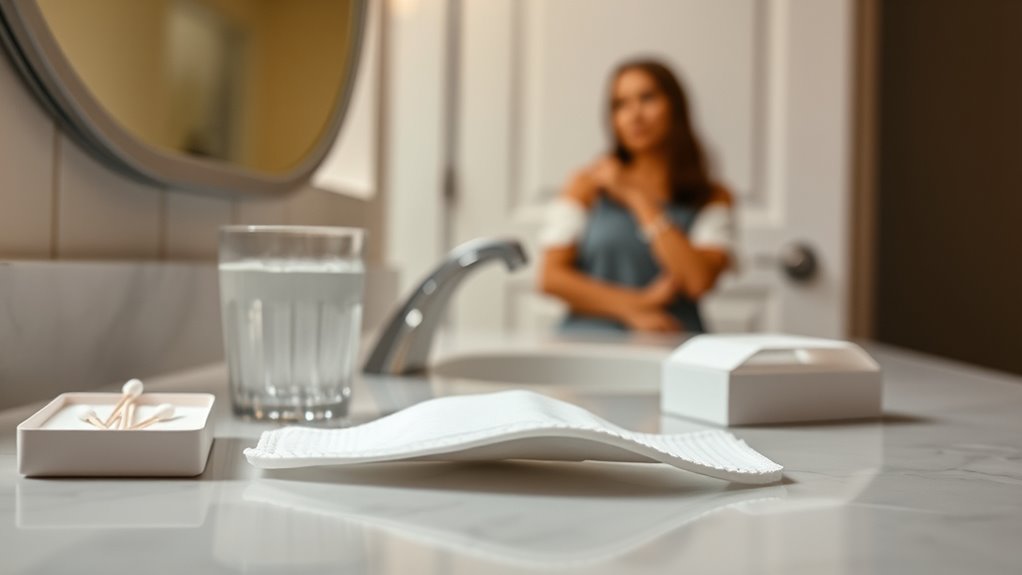
When preparing for a Pap smear during your period, consider timing it toward the lighter days to make the process easier.
You’ll also want to practice good hygiene by gently cleaning the area beforehand.
These steps can help guarantee a smoother and more comfortable exam.
Timing Considerations
Since your menstrual cycle can affect the accuracy of your Pap smear results, you’ll want to pick the best timing to minimize any interference. Here’s how to approach it:
- Schedule your Pap smear during the mid-cycle, ideally between days 10 and 20, when bleeding is least likely.
- If you must have it during your period, try to go on the lighter flow days to reduce blood contamination.
- Avoid scheduling the test right before or after your period, as hormonal changes can affect cell samples.
- Communicate with your healthcare provider about your cycle; they might adjust timing or technique for clearer results.
Hygiene Precautions
Choosing the right timing for your Pap smear helps reduce interference, but preparing properly on the day of your appointment also plays a big role. Start by taking a shower and cleaning your genital area gently with mild soap and water to minimize bacteria.
Avoid using douches, vaginal sprays, or powders, as these can irritate and affect test results. Wear a fresh, breathable cotton panty liner to manage any menstrual flow and keep you comfortable.
Before your exam, empty your bladder to ease discomfort. If your period is heavy, consider bringing a tampon to remove briefly during the procedure if your provider agrees.
Communicate openly with your healthcare provider about your period and any concerns so they can adjust the exam accordingly for accurate and comfortable testing.
What to Expect During the Pap Smear Procedure
Although having your period might make you feel uneasy about the appointment, the Pap smear procedure itself remains straightforward and quick.
When you arrive, your healthcare provider will guide you through the steps to guarantee everything goes smoothly.
Here’s what you can expect during the procedure:
- You’ll lie on the exam table and place your feet in stirrups.
- The provider will gently insert a speculum to open the vaginal walls.
- A small brush or spatula will collect cells from your cervix.
- The sample is sent to a lab for analysis, and the speculum is removed.
The entire process usually takes just a few minutes.
While you may feel slight discomfort, it’s generally painless.
Tips for Staying Comfortable During the Exam
Feeling at ease during your Pap smear can make the process smoother and less stressful. To stay comfortable, wear loose clothing and avoid heavy meals beforehand.
Bring a sanitary pad to manage any spotting after the exam. Practice deep, slow breaths to help relax your pelvic muscles during the procedure.
Don’t hesitate to communicate with your healthcare provider; let them know if you feel any discomfort or need a moment to pause. You might also try distracting yourself by focusing on something in the room or thinking about calming imagery.
If you’re worried about cramps, taking an over-the-counter pain reliever about 30 minutes before your appointment can help. Remember, staying relaxed helps the exam go faster and with less discomfort.
After the Pap Smear: Care and Follow-Up Steps
Once your Pap smear is complete, you’ll want to take a few simple steps to care for yourself and monitor any reactions. First, avoid using tampons or douching for at least 24 hours to prevent irritation.
If you experience mild spotting or cramping, it’s normal. Just rest and use a heating pad if needed.
Watch for unusual symptoms like heavy bleeding, severe pain, or foul-smelling discharge. If you notice any of these, contact your healthcare provider right away.
Finally, make sure to follow up on your results. Your provider will let you know if any additional testing or treatment is necessary.
Taking these steps helps guarantee your health and comfort after the exam, even if it was done during your period.
Conclusion
Remember, over 50% of women skip Pap smears because of timing concerns like being on their period. Don’t let that hold you back—getting a Pap smear during your period is totally feasible and safe with the right preparation.
By following these steps, you can stay comfortable and ensure your health stays a priority. Scheduling your exam regardless of your cycle helps catch issues early, keeping you in control of your well-being.
So, if you’re wondering how to have a Pap smear while your period, know that it’s completely possible. Staying proactive about cervical health is important, and timing shouldn’t stop you from getting screened. With proper care and communication with your healthcare provider, you can confidently manage your Pap smear anytime, even during your period. Your health is worth it!