How Much Paper Can a Person Eat Safely?
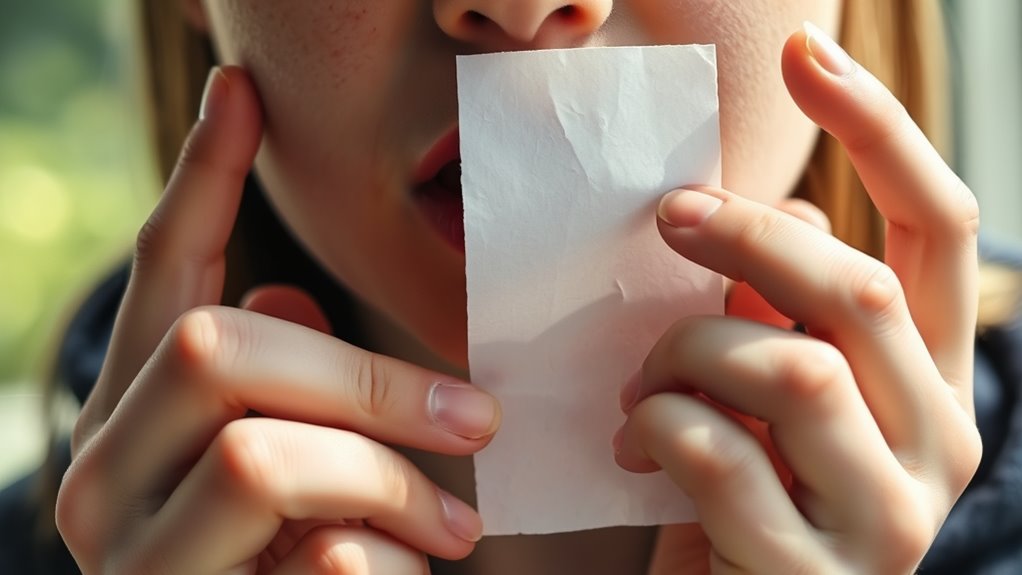
You can safely eat only very small amounts of plain paper occasionally since your body can’t digest cellulose fibers in it. The fibers pass through your system mostly unchanged.
Eating large quantities or heavily inked paper may cause digestive discomfort, blockages, or chemical exposure.
Regular or intentional consumption might signal underlying issues and could harm your gut or nutrient absorption.
It’s important to recognize when eating paper isn’t just a harmless habit.
If you want to understand the risks better and know when to seek help, exploring these aspects will give you a clearer picture.
Composition of Common Paper Types
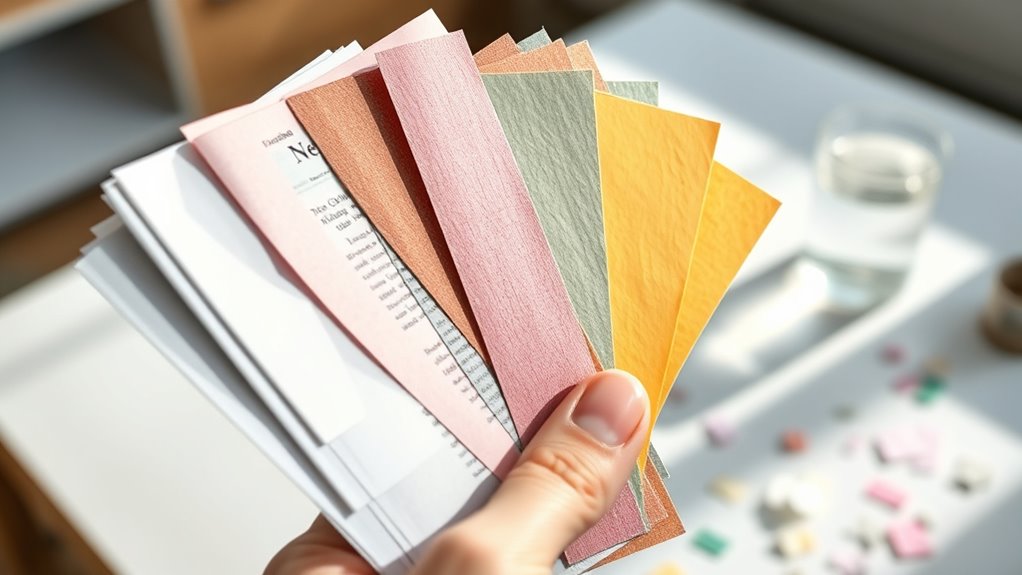
Although paper isn’t meant for eating, understanding its composition can help you gauge any potential risks. Most common paper types are made from wood pulp, which contains cellulose fibers. These fibers are generally indigestible by humans but aren’t toxic.
You’ll find additives like fillers, dyes, and coatings in many papers, especially glossy or colored ones. These substances might contain chemicals that could be harmful if consumed in large amounts. Recycled paper might include traces of inks and adhesives, which can also pose risks.
On the other hand, plain white printer paper usually has fewer additives, making it less concerning in small quantities. Knowing these differences helps you realize the potential dangers and decide how cautious you should be around consuming any paper.
Digestive Effects of Consuming Paper
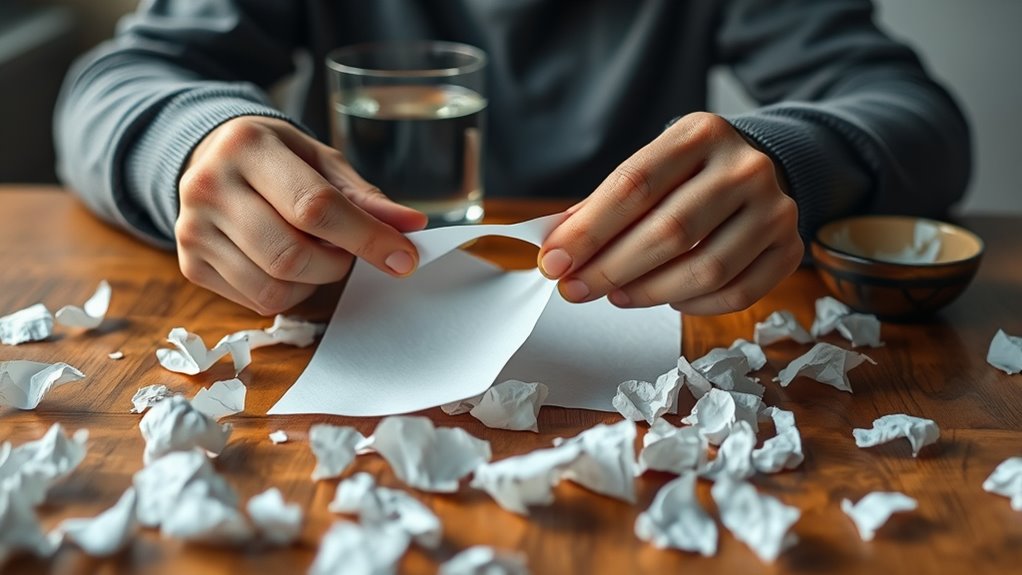
When you eat paper, your digestive system struggles to break down the cellulose fibers since humans lack the enzymes needed for this process. As a result, paper passes through your stomach and intestines mostly intact.
You won’t extract any nutrients from it because cellulose acts like dietary fiber but is far less digestible. This means paper can add bulk to your stool and may speed up bowel movements in small amounts.
However, large quantities might cause discomfort or mild digestive upset due to its indigestible nature. Your body treats paper more like roughage than food, so it doesn’t contribute to energy or nourishment.
Understanding these digestive effects helps you realize why paper isn’t a viable food source, even though small ingestion might not cause immediate problems.
Potential Health Risks of Eating Paper
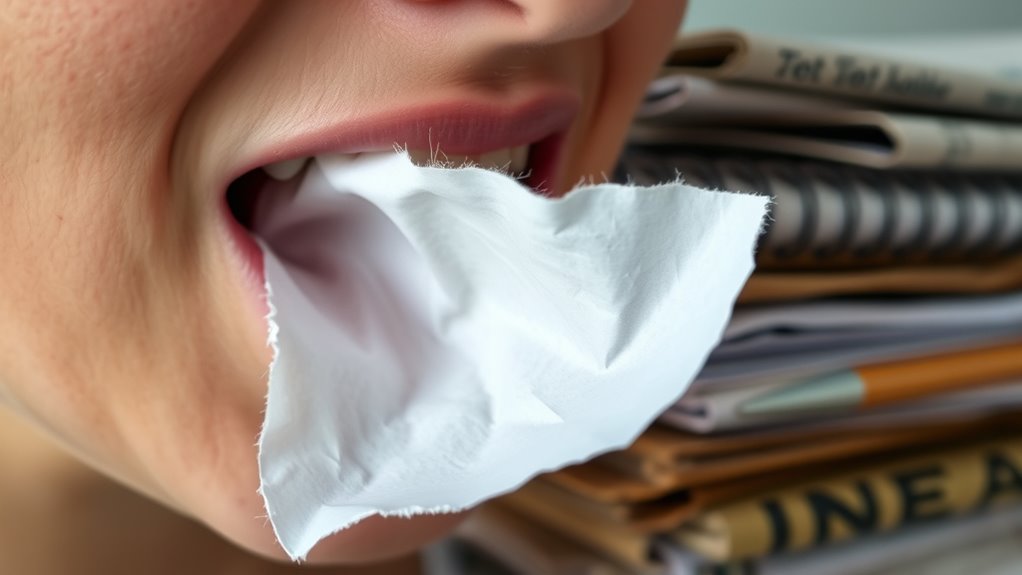
While small amounts of paper might pass through your system without major issues, eating it regularly or in large quantities can lead to several health concerns. Paper isn’t designed for digestion, so it can irritate your gastrointestinal tract, causing discomfort, constipation, or even blockages.
You might also expose yourself to harmful chemicals or inks present on the paper, which can be toxic and lead to poisoning or allergic reactions. Consuming paper frequently can interfere with your nutrient absorption, potentially causing deficiencies.
Additionally, the rough texture can damage the lining of your stomach or intestines over time. To protect your health, it’s best to avoid making paper a regular part of your diet and instead focus on foods that provide proper nutrition and are safe to consume.
Cases of Accidental and Intentional Paper Ingestion
People sometimes ingest paper accidentally, like when kids chew on books or adults bite their nails covered in paper fibers. It can happen more often than you think.
Accidental paper ingestion happens more often than you might realize, especially with kids and nail-biting adults.
You might also see cases where people eat paper on purpose. This is often linked to psychological conditions like pica, where they have a craving for non-food items.
Sometimes, people eat paper out of curiosity or to relieve stress, but that’s pretty rare. Medical reports show both accidental and intentional ingestion, which can cause mild digestive discomfort or, in extreme cases, blockages.
If you or someone you know swallows small amounts of paper, it usually passes through without any problems. However, if it happens a lot or with large amounts, it’s important to get medical help.
Knowing about these situations can help you spot potential risks and get help quickly if needed.
Safe Limits for Paper Consumption
Although paper isn’t meant for consumption, small amounts typically won’t harm you if ingested occasionally. If you accidentally eat a tiny piece, your body will likely pass it without issue.
However, regularly eating paper or consuming large quantities can pose health risks, such as digestive blockages or exposure to harmful inks and chemicals. To stay safe, limit any paper ingestion to minimal, infrequent amounts—ideally less than a square inch at a time.
Avoid swallowing thick or heavily inked paper, as these increase risk. Remember, your digestive system isn’t designed to break down cellulose effectively, so even small amounts may cause discomfort if eaten frequently.
If you find yourself craving paper often, consider consulting a healthcare professional for guidance.
Alternatives and Recommendations for Pica Behavior
If you struggle with cravings to eat non-food items like paper, exploring healthier alternatives can really help redirect those urges. Pica behavior often signals nutritional deficiencies or psychological stress, so addressing the root cause is key.
You can manage these cravings by substituting safe, edible textures like crunchy vegetables or sugar-free gum. It’s a simple swap but can make a big difference.
Also, consulting a healthcare professional for nutritional assessments and therapy is a smart move. They can help you get to the bottom of what’s causing these cravings.
Keeping yourself busy with hobbies or activities that engage your hands and mind can distract you from those urges. Plus, creating a supportive environment by removing tempting non-food items makes it easier to resist.
Conclusion
You might think nibbling on a scrap of paper is harmless, but how much can you really eat before it becomes risky? While small amounts usually pass through your system without issue, consuming more can lead to serious digestive problems.
And health risks you wouldn’t expect. So, before you reach for another bite, consider the hidden dangers lurking in that seemingly innocent sheet.
Your body will thank you for choosing safer alternatives. Eating paper in large amounts can cause blockages or discomfort, which is definitely not worth it.
So, when it comes to how much paper a person can eat safely, it’s best to stick to tiny amounts or avoid it altogether. Remember, your digestive health is important, and paper isn’t a safe snack.